A WhatsApp Marketing Service helps businesses communicate with customers throughout their buying journey, from the first interaction to purchase and long-term loyalty. In today’s competitive digital landscape, customers expect quick responses, personalized communication, and convenient access to business information. WhatsApp provides a direct messaging channel that allows businesses to answer questions, share relevant updates, nurture potential customers, and provide ongoing support.
Effective customer journey management requires businesses to understand what customers need at every stage of their decision-making process. By combining WhatsApp Business messaging, customer segmentation, automated responses, and personalized follow-ups, companies can create smoother experiences and reduce communication barriers. These strategies can also support lead generation, improve customer engagement, and encourage repeat purchases.
For businesses operating in Canada, SanMo CA offers a digital marketing service focused on WhatsApp marketing. Companies can explore how this channel fits into their broader marketing strategies to improve customer communication, strengthen relationships, and create more consistent experiences across the customer journey.
Understanding Customer Journey Management
Customer journey management involves planning and improving the interactions customers have with a business across different channels and stages. It helps companies understand how people discover their services, evaluate available options, make purchasing decisions, and seek support after a transaction. A well-managed customer journey makes these interactions more consistent, relevant, and convenient.
The Main Stages of the Customer Journey
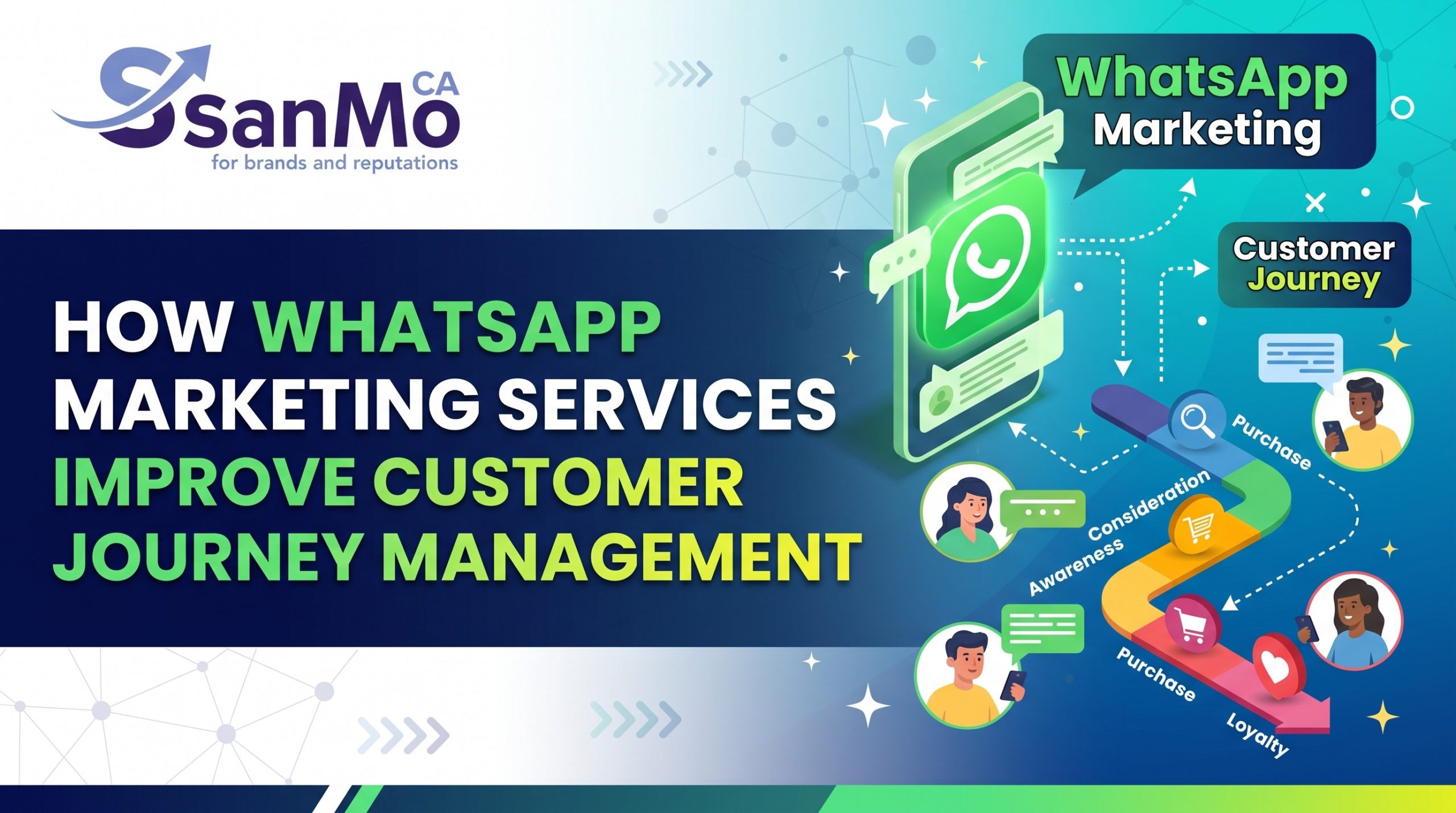
The customer journey generally includes awareness, consideration, conversion, retention, and advocacy. During awareness, potential customers discover a brand. In the consideration stage, they compare solutions and seek additional information. Conversion occurs when they make a purchase, while retention and advocacy focus on continued satisfaction, repeat business, and positive recommendations. WhatsApp can support communication at each stage when customers have consented to receive messages.
Why Customer Communication Matters
Clear and timely communication helps customers understand products, compare services, resolve concerns, and make informed decisions. Delayed responses or confusing information can create friction and reduce customer confidence. WhatsApp messaging gives businesses a convenient way to answer questions, provide updates, and maintain conversations, helping customers move through the buying process with fewer unnecessary obstacles.
How WhatsApp Marketing Service Supports Customer Awareness
 The awareness stage is where potential customers first learn about a business, product, or service. WhatsApp can support this stage by sharing relevant information with people who have opted in to receive communications. Through useful messages, service announcements, and helpful content, businesses can introduce their offerings and encourage interested audiences to explore what makes them different.
Sharing Relevant Business Information
Businesses can use WhatsApp to introduce their services, explain key benefits, share educational content, and answer initial questions. Messages should focus on customer needs rather than constant promotion. When information is concise and useful, potential customers can understand the business more easily and decide whether its products or services match their requirements.
Connecting WhatsApp With Other Marketing Channels
WhatsApp works more effectively when integrated with other digital marketing channels, including search engine optimization, social media marketing, email marketing, and website content. For example, a website visitor may click a WhatsApp link to ask about a service. This connection helps businesses turn initial interest into a direct conversation while maintaining continuity between marketing channels.
Improving Lead Nurturing Through WhatsApp Messaging
Lead nurturing involves building relationships with potential customers who are interested in a product or service but are not ready to purchase immediately. WhatsApp supports this process through timely follow-ups, relevant information, and personalized conversations. By responding to individual concerns and providing useful guidance, businesses can help prospects progress toward informed purchasing decisions.
Personalized Messages for Potential Customers
Personalized WhatsApp messages can address a prospect’s specific questions, service interests, and stage in the buying process. A person requesting pricing information may need a quotation, while someone comparing service options may benefit from a detailed explanation. Relevant communication helps businesses provide a more helpful experience without overwhelming potential customers with unrelated messages.
Following Up Without Creating Pressure
Consistent follow-up can prevent genuine inquiries from being forgotten, but excessive messaging may damage customer trust. Businesses should establish reasonable follow-up schedules, respect customer preferences, and provide a clear reason for every message. A helpful reminder, an answer to an outstanding question, or an agreed-upon update can keep the conversation moving naturally.
Using WhatsApp Business Automation to Improve Customer Experiences
WhatsApp Business automation helps companies manage common customer interactions more efficiently. Depending on the tools and integrations used, businesses can configure automated greetings, away messages, frequently asked questions, and structured messaging workflows. These features can reduce response delays and help customers obtain basic information while allowing staff to focus on more complex inquiries and personalized support.
Automated Responses for Common Questions
Customers frequently ask about business hours, pricing, service availability, appointment scheduling, and delivery information. Automated responses can provide immediate guidance for these routine questions. When an inquiry requires individual attention, the system should make it easy to connect with a human representative. This balance improves convenience while ensuring customers are not trapped in unhelpful automated conversations.
Timely Notifications and Customer Updates
Businesses can use appropriate WhatsApp messaging workflows to communicate appointment reminders, order confirmations, delivery updates, and service notifications. These messages help customers understand what happens next and reduce uncertainty during the customer journey. Businesses should use approved messaging methods, obtain the required consent, and follow WhatsApp’s applicable policies when sending business-initiated communications.
Enhancing Customer Engagement With Personalized Communication
 Customer engagement improves when people receive communication that matches their interests, preferences, and current needs. WhatsApp allows businesses to have direct conversations instead of relying exclusively on one-way promotional messages. By listening to customer questions, responding appropriately, and sharing relevant information, companies can build more meaningful relationships throughout the customer lifecycle.
Customer Segmentation for Relevant Messaging
Customer segmentation groups audiences according to characteristics such as service interests, previous purchases, inquiry history, or relationship stage. This information helps businesses determine which messages are useful for different groups. For example, new prospects may need introductory information, while existing customers may prefer service updates or relevant support. Segmentation should rely on appropriately collected data and respect privacy preferences.
Interactive Conversations and Customer Feedback
WhatsApp conversations can help businesses understand customer expectations through direct questions, feedback requests, and appropriate interactive features. Customers may explain what they liked, identify difficulties, or ask for improvements. Reviewing this feedback helps businesses identify friction in their customer journey and make informed adjustments to their communication, service delivery, and support processes.
Increasing Conversions Through WhatsApp Customer Journey Optimization
Customer journey optimization focuses on removing barriers that prevent potential customers from taking the next step. WhatsApp can help businesses clarify service details, answer objections, share relevant information, and guide interested prospects toward an inquiry or purchase. When conversations are helpful and timely, customers can make decisions with greater confidence and less unnecessary effort.
Answering Questions During the Buying Process
Before purchasing, customers may need clarification about pricing, service features, timelines, availability, or payment options. WhatsApp gives businesses a convenient channel for addressing these questions directly. Clear answers help reduce uncertainty and enable customers to compare options more effectively. Businesses should ensure their responses are accurate, consistent, and aligned with their published service information.
Creating Clear Calls to Action
A useful WhatsApp conversation should make the next step easy to understand. Depending on the customer’s needs, the next action might involve booking a consultation, requesting a quotation, completing an inquiry form, or visiting a service page. Clear calls to action help customers move forward naturally without unnecessary steps or confusing instructions.
Strengthening Customer Retention and Loyalty With WhatsApp
 Customer journey management continues after the first purchase. Retention strategies focus on keeping customers satisfied, addressing service concerns, and maintaining relevant communication over time. WhatsApp can support these efforts through post-purchase assistance, service updates, feedback requests, and appropriate follow-ups. A consistent customer experience can encourage repeat business and strengthen long-term relationships.
Providing Effective Post-Purchase Support
After purchasing a product or service, customers may need instructions, troubleshooting assistance, onboarding information, or clarification about what happens next. WhatsApp can provide a convenient support channel for these interactions. Timely assistance helps customers use their purchase effectively and can prevent minor problems from becoming larger sources of dissatisfaction.
Encouraging Repeat Purchases and Referrals
Businesses can maintain relationships with existing customers by sharing relevant updates, useful recommendations, and offers that match their interests. Satisfied customers may also be willing to recommend a business to others. These activities should prioritize genuine value and customer permission, ensuring that retention campaigns strengthen relationships instead of creating unnecessary promotional pressure.
Measuring WhatsApp Marketing Performance Across the Customer Journey
Performance measurement helps businesses determine whether WhatsApp marketing is improving customer communication and supporting commercial objectives. By examining interactions across awareness, lead nurturing, conversion, and retention, companies can identify effective workflows and areas that require improvement. Connecting messaging data with broader marketing analytics provides a clearer understanding of how WhatsApp contributes to the overall customer experience.
Tracking Engagement and Conversion Metrics
Businesses can evaluate metrics such as message delivery, responses, link clicks, qualified inquiries, booked consultations, and completed purchases where tracking is available. These indicators help distinguish simple message activity from meaningful business outcomes. Companies should define measurable objectives before launching campaigns and avoid treating message volume alone as evidence of successful customer journey management.
Identifying and Reducing Customer Journey Friction
Customer journey analysis can reveal where people stop responding, abandon an inquiry, or repeatedly ask the same questions. Businesses can investigate these patterns to identify unclear service information, slow response times, or complicated conversion steps. Improving these weak points helps create a smoother experience and allows marketing teams to focus on changes that address real customer needs.
How SanMo CA Can Support WhatsApp Marketing Goals
SanMo CA provides a digital marketing service offering that businesses can explore when considering WhatsApp marketing as part of their customer communication strategy. For companies seeking better customer journey management, the priority is to develop relevant messaging, improve response processes, and connect WhatsApp interactions with measurable marketing goals. Businesses can review the SanMo CA WhatsApp Marketing Service to learn more about its offering.
Aligning WhatsApp Marketing With Business Objectives
An effective strategy begins by identifying the outcomes a business wants to achieve, such as generating qualified leads, improving response times, increasing bookings, or strengthening customer retention. The business can then determine which customer journey stages need the most attention. SanMo CA can be considered when evaluating digital marketing support that aligns with these priorities and the company’s target audience.
Building a Consistent Customer Experience
Customers may interact with a business through its website, social media profiles, email campaigns, and WhatsApp conversations. Consistent information across these channels helps prevent confusion and strengthens brand credibility. Businesses should coordinate messaging, maintain accurate service details, and establish clear processes for handling inquiries so that customers receive a connected experience regardless of where their journey begins.
Best Practices for WhatsApp Customer Journey Management
 Effective WhatsApp customer journey management combines convenience, relevance, privacy, and consistent service quality. Businesses should use messaging to solve customer problems rather than overwhelm audiences with promotions. Establishing clear communication standards, obtaining appropriate consent, and reviewing campaign performance helps companies build trust while making their marketing processes more efficient and customer-focused.
Respecting Consent and Customer Privacy
Businesses should obtain the required permission before sending marketing messages, explain the purpose of communications, and honor requests to stop receiving them. They should also protect customer information, limit access to relevant personnel, and follow applicable privacy laws and WhatsApp business policies. Responsible communication supports customer confidence and reduces the risk of complaints or policy violations.
Maintaining a Helpful and Consistent Tone
Every interaction should reflect the business’s communication standards and customer service expectations. Messages should be clear, courteous, accurate, and appropriate to the situation. Businesses should also establish processes for handling complex questions, complaints, and urgent requests. A helpful tone combined with reliable responses creates a more consistent experience throughout the customer journey.
Conclusion
A WhatsApp Marketing Service can help businesses improve customer journey management by making communication more direct, personalized, and convenient. From introducing services and nurturing leads to answering purchase questions and supporting existing customers, WhatsApp provides opportunities to improve interactions at every stage of the customer lifecycle.
Businesses can achieve better results by combining audience segmentation, marketing automation, timely follow-ups, customer feedback, and performance tracking. These practices help identify communication gaps, reduce customer frustration, and create more opportunities for meaningful engagement.
Frequently Asked Questions (FAQs)
1. What is WhatsApp Marketing Service?
A WhatsApp Marketing Service helps businesses use WhatsApp to communicate with customers, share relevant information, nurture leads, promote services, and support customer engagement. It can include campaign planning, personalized messaging, automation, and performance tracking.
2. How does WhatsApp improve customer journey management?
WhatsApp enables businesses to provide timely responses, personalized information, purchase assistance, and post-sale support. These interactions help customers move through the awareness, consideration, conversion, and retention stages with fewer communication barriers.
3. Can WhatsApp marketing help businesses generate leads?
Yes. Businesses can encourage interested visitors to initiate WhatsApp conversations through website links, advertisements, and relevant calls to action. By answering questions and following up appropriately, companies can qualify inquiries and nurture potential customers.
4. What is WhatsApp Business automation?
WhatsApp Business automation uses configured tools and workflows to manage certain customer interactions automatically. Examples include greeting messages, frequently asked questions, appointment reminders, and approved notifications, depending on the platform and integration being used.
5. How can WhatsApp marketing increase conversions?
WhatsApp can improve conversions by helping businesses answer customer questions, explain service benefits, address concerns, and provide clear next steps. Results depend on message relevance, response quality, customer intent, and the effectiveness of the overall sales process.
6. How does WhatsApp help improve customer retention?
Businesses can use WhatsApp for post-purchase support, service updates, feedback collection, and relevant customer communications. These interactions help maintain relationships and provide opportunities to resolve problems before they negatively affect customer satisfaction.
7. Is WhatsApp marketing suitable for Canadian businesses?
Yes. Canadian businesses can use WhatsApp to communicate with customers who prefer the platform, provided they comply with applicable privacy and marketing requirements. Its suitability depends on the target audience, customer preferences, and business objectives.
8. Which metrics should businesses track in WhatsApp marketing?
Businesses can track response rates, link clicks, qualified leads, consultation bookings, conversions, customer satisfaction, and repeat purchases where reliable measurement is available. These metrics help evaluate performance and identify opportunities to improve customer journey management.
9. How can businesses personalize WhatsApp marketing messages?
Businesses can personalize messages using relevant customer preferences, inquiry history, service interests, and relationship stages. They should use appropriately collected information, avoid unnecessary personal data, and ensure that messages remain relevant and respectful.
10. How can SanMo CA help with WhatsApp marketing?
Businesses can explore SanMo CA’s WhatsApp Marketing Service to review its offering and determine whether it aligns with their marketing needs. Businesses should confirm the specific services, features, and support available before selecting a solution.