Search Engine Optimization (SEO) is the process of improving a website so that it appears more prominently in search engine results. It helps businesses attract organic traffic, reach potential customers, build online visibility, and establish credibility without relying entirely on paid advertisements. SEO involves several important activities, including keyword research, content optimization, technical improvements, website structure, and link building. Understanding how search engines work and applying effective SEO techniques can help beginners develop a strong online presence and achieve sustainable growth.
What Is Search Engine Optimization?
Search Engine Optimization, commonly known as SEO, is the process of improving a website’s visibility in search engine results pages (SERPs). When people search for information, products, or services on Google, they usually click on websites that appear near the top of the results. SEO helps websites improve their chances of appearing in these positions by making their content more relevant, useful, accessible, and understandable to search engines. For example, imagine someone searches for “best digital marketing agency” on Google. Several websites may offer digital marketing services, but only a limited number appear on the first page. Businesses that invest in effective SEO can improve their online visibility and attract visitors who are actively searching for their services.
The primary goal of SEO is to increase organic traffic, which means visitors who reach a website through unpaid search results. Unlike paid advertising, organic search traffic does not require businesses to pay for every click. However, achieving and maintaining strong rankings requires consistent effort, quality content, technical improvements, and a clear understanding of user search intent. SEO is particularly important for businesses because it helps connect their products and services with people who are already interested in what they offer. Whether you operate a small business, an online store, or a large corporate website, an effective SEO strategy can support long-term digital growth.
How Does SEO Work?
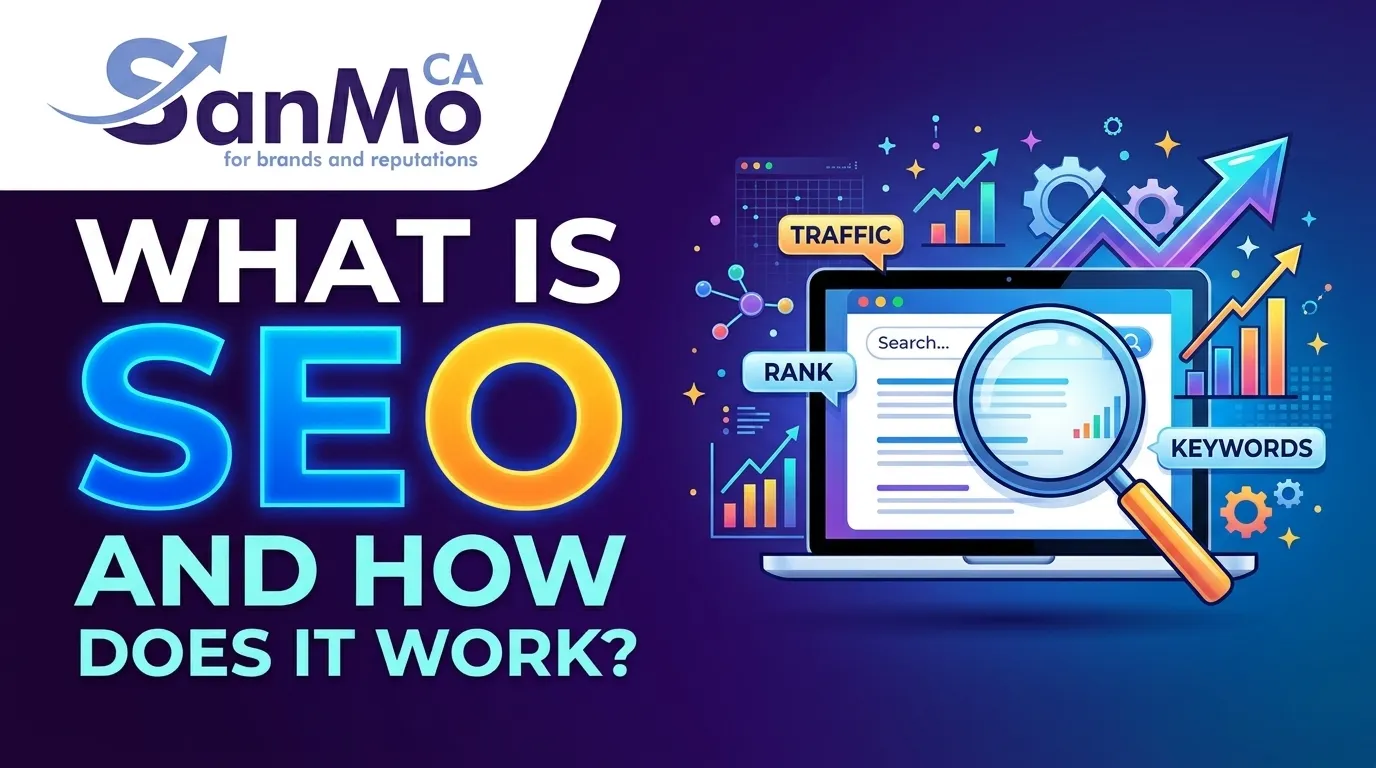
SEO works by helping search engines understand website content and determine whether individual pages provide relevant answers to users’ searches. Search engines use automated systems and algorithms to discover, analyze, organize, and rank billions of web pages. When someone enters a search query into Google, the search engine examines its index to identify pages that are relevant to that particular query. It then uses various ranking systems to determine which results are most likely to satisfy the user’s needs.
Several factors influence this process. Content relevance is important because search engines need to understand whether a page addresses the subject being searched. Content quality also matters because useful, accurate, and original information provides a better experience for visitors. Website performance is another consideration. Pages that load properly, work on mobile devices, and provide a secure browsing experience make information more accessible. Links from relevant and trustworthy websites can also help search engines discover content and understand its wider context.
Keyword research helps website owners understand the language their audiences use when searching online. By incorporating relevant search terms naturally into page titles, headings, descriptions, and content, businesses can make their pages easier to understand. However, SEO is not about adding as many keywords as possible. Search engines prioritize useful experiences rather than repetitive content created solely to influence rankings. A successful strategy balances technical quality, relevance, credibility, and user satisfaction.
SEO Basics for Beginners
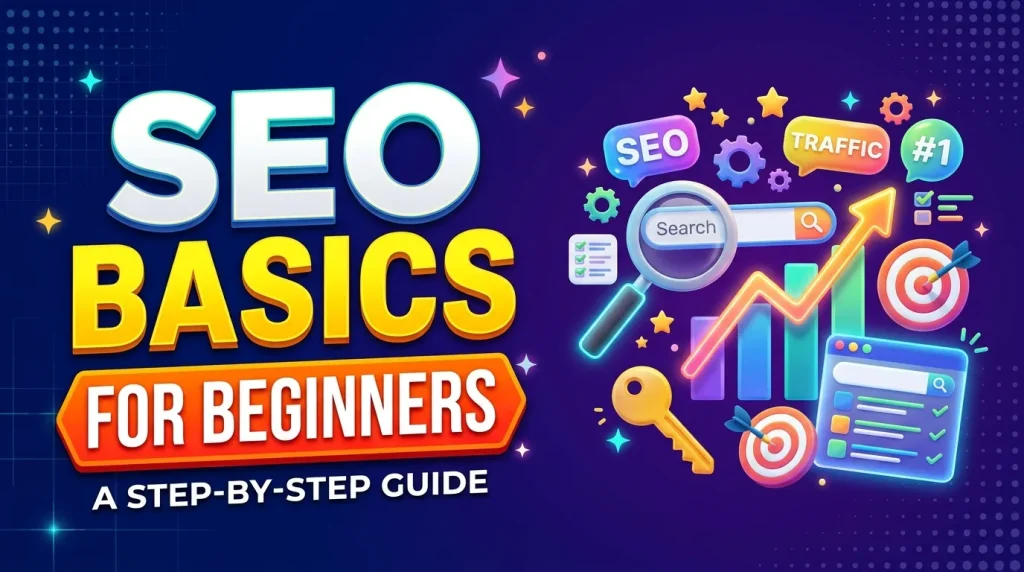 For beginners, understanding the basic principles of SEO is the first step toward building a successful website. The process may initially seem complicated, but it becomes easier when divided into manageable activities. The first important activity is keyword research. Keywords are the words and phrases people enter into search engines when looking for information. Understanding these searches helps website owners create content that matches their audience’s interests and needs.
The next step is creating valuable content. Every website page should serve a clear purpose and provide useful information. Instead of writing articles simply to include keywords, focus on answering questions, explaining important concepts, and helping readers solve problems. Website structure is equally important. Visitors should be able to navigate between pages without difficulty. Clear menus, descriptive headings, organized categories, and relevant internal links make websites easier to explore.
Another beginner-friendly practice is optimizing page titles and meta descriptions. These elements help communicate what a page contains and can influence whether someone clicks on it in search results. Beginners should also become familiar with Google Search Console and Google Analytics. These tools provide useful information about website performance, search visibility, visitor behavior, and opportunities for improvement. Learning SEO takes time, and results rarely appear overnight. Consistent publishing, regular website improvements, and performance monitoring can help beginners build a stronger foundation.
How Search Engines Work
To understand SEO properly, it is important to know how search engines discover and organize information. Search engines such as Google generally follow three major processes: crawling, indexing, and ranking. Crawling is the process through which search engine bots discover webpages by following links and accessing publicly available content. These automated programs explore websites to identify new pages, updated information, and changes to existing content.
Indexing happens after search engines discover a webpage. During this process, they analyze the page’s content, images, metadata, and other information to understand its subject. If a page meets the necessary requirements, it may be stored in the search engine’s index. However, discovering a page does not guarantee that it will be indexed. Ranking takes place when someone performs a search. Search engines evaluate indexed pages using numerous signals and systems to identify results that are relevant and helpful for the query.
For example, if a person searches for “how to improve website speed,” Google attempts to identify pages that explain website performance, loading times, optimization methods, and related solutions. Search engines also consider the context and intent behind searches. Two people searching similar phrases may have different expectations, so delivering relevant information is essential. Understanding crawling, indexing, and ranking allows website owners to identify potential problems and develop a more effective SEO strategy.
Types of SEO Techniques
SEO consists of several interconnected techniques that help improve website visibility and search performance. The main categories are on-page SEO, off-page SEO, and technical SEO. Each category addresses a different aspect of website optimization. On-page SEO focuses on improving elements within individual webpages. This includes content quality, keyword placement, headings, images, internal links, and metadata. Its purpose is to make pages relevant to users’ searches while providing a clear and valuable reading experience.
Off-page SEO involves activities outside your website that help establish credibility and visibility. Link building, digital public relations, brand mentions, and professional relationships can contribute to a website’s reputation. Technical SEO focuses on the technical structure of a website. It includes improving page speed, mobile usability, crawlability, indexing, website security, and structured data. These techniques work best when combined. Excellent content may struggle to perform if search engines cannot access or index it. Similarly, a technically strong website may not attract meaningful organic traffic if its pages fail to answer users’ questions. A balanced SEO strategy considers all three areas and continuously improves them according to website performance and audience needs.
On-Page SEO Optimization
 On-page SEO optimization involves improving individual website pages to make their content more relevant, accessible, and useful. It helps search engines understand what each page is about while making information easier for visitors to consume. One of the most important elements is the page title. A descriptive title should clearly communicate the main topic and naturally include the primary keyword when appropriate. The title should also encourage users to explore the page without making misleading promises. Headings help organize information into understandable sections. The main heading should communicate the page’s primary subject, while supporting headings divide the content into related topics. A logical heading structure improves readability and helps visitors locate relevant information.
Content quality is another essential factor. Website pages should provide original insights, accurate information, relevant examples, and clear explanations. Avoid unnecessary repetition and focus on satisfying the purpose behind each search query. Images also require attention. Descriptive file names, appropriate image formats, and meaningful alternative text can improve accessibility and help search engines understand visual content.
Internal linking is another valuable on-page practice. Connecting related articles and service pages helps visitors discover additional information while providing search engines with context about website structure. Refreshing existing content is equally important. Information can become outdated as industries, technologies, and search behavior change. A well-planned content refresh strategy can help identify outdated pages, improve information quality, address missing topics, and recover declining search visibility. When these elements work together, on-page SEO creates a better experience for visitors and helps search engines understand the purpose of each webpage.
Off-Page SEO Strategies
Off-page SEO refers to optimization activities performed outside your website to improve its reputation, authority, and visibility. While on-page optimization focuses on elements you directly control, off-page strategies help establish your website’s credibility across the wider internet. Link building is one of the most recognized off-page SEO activities. A backlink is created when another website links to one of your webpages. Relevant backlinks from trustworthy websites can help people discover your content and provide useful signals about its relevance and credibility.
However, acquiring a large number of backlinks should not be the main objective. The quality, relevance, and context of links are more important than simply increasing their quantity. Spammy links, manipulative link schemes, and automated link-building practices can create risks rather than sustainable benefits. Businesses can build meaningful backlinks by publishing original research, creating helpful resources, contributing expert insights, and developing relationships with relevant publishers. Digital PR and editorial guest contributions can also help businesses reach new audiences.
For a deeper understanding of responsible link acquisition, explore the role of ethical link building in modern SEO campaigns. Ethical link-building practices focus on relevance, genuine relationships, editorial value, and long-term credibility rather than manipulative shortcuts. Brand visibility across different online platforms can also support broader digital marketing efforts. For example, influencer collaborations can introduce businesses to new audiences, generate brand awareness, and encourage people to discover their websites. Businesses interested in combining creator partnerships with their digital marketing activities can explore influencer marketing services and creator partnerships. A strong off-page SEO strategy combines valuable content, relevant relationships, responsible link acquisition, and consistent brand communication.
Technical SEO Fundamentals
Technical SEO focuses on improving the technical aspects of a website so that search engines can efficiently crawl, understand, and index its pages. It also helps ensure visitors receive a smooth and reliable browsing experience. Website speed is an important technical consideration. Visitors may leave websites that take too long to load, particularly when accessing them through mobile networks. Optimizing images, reducing unnecessary scripts, improving server response times, and using efficient caching methods can improve performance.
Mobile-friendliness is equally important because a significant portion of online searches happens on smartphones and tablets. Websites should display content properly across different screen sizes, with readable text, accessible navigation, and appropriately sized interactive elements. HTTPS security protects communication between websites and visitors. Installing and maintaining a valid SSL certificate helps establish a secure connection and protects sensitive information during browsing.
Another important element is the XML sitemap. A sitemap provides search engines with information about important website URLs, helping them discover content more efficiently. The robots.txt file can also provide instructions about which parts of a website crawlers should access. Canonical tags help indicate the preferred version of a webpage when similar or duplicate URLs exist. Proper implementation can reduce confusion about which URL should be treated as the primary version.
Structured data is another useful technical feature. It provides search engines with additional information about webpage content and can make eligible pages suitable for certain enhanced search appearances. Regular technical audits help identify broken links, indexing problems, redirect errors, duplicate content, and other issues that may affect website performance. Maintaining a technically healthy website creates a strong foundation for long-term SEO success.
Organic Search Traffic
Organic search traffic refers to visitors who reach a website through unpaid search engine results. It is an important source of website visitors because it connects businesses with people actively looking for relevant information, products, or services. For example, someone searching for “affordable website development services” may discover a business through an organic Google result. If the website provides relevant information and meets the visitor’s expectations, that person may explore its services or submit an enquiry.
One major advantage of organic traffic is its long-term potential. A useful webpage that performs well in search results can continue attracting visitors over an extended period. However, rankings and traffic are not permanent, so regular monitoring and content improvements remain necessary. Organic visitors can also have strong engagement potential because they often arrive with a specific question or requirement. When website content matches their search intent, visitors are more likely to explore related pages and consider available solutions.
Businesses can monitor organic performance through Google Search Console and Google Analytics. These platforms provide information about search impressions, clicks, landing pages, visitor behavior, and conversions. It is important to remember that more traffic does not always mean better results. Relevant visitors who engage with content, request information, or purchase products may provide greater business value than a large number of unrelated visitors. A successful SEO strategy focuses on attracting the right audience rather than simply increasing website visits.
How to Improve Google Rankings
 Improving Google rankings requires a consistent strategy that focuses on content quality, website performance, relevance, and user satisfaction. There is no guaranteed shortcut to reaching the first page because search rankings depend on multiple factors and continuously evolving systems. Start by understanding your target audience. Research the questions they ask, the problems they experience, and the information they expect to find. This helps you select relevant keywords and create content that directly addresses their needs.
Next, develop comprehensive and useful webpages. Each page should focus on a clear topic, provide accurate information, and offer practical value. Organize the content with descriptive headings and natural keyword placement. Improve existing content regularly instead of concentrating exclusively on publishing new articles. Review pages that have lost impressions, clicks, or rankings and identify whether they need updated information, better explanations, improved internal links, or technical corrections.
Building website credibility is another important consideration. Earn relevant backlinks through useful resources, original research, digital PR, and genuine industry relationships. Avoid purchasing manipulative links or participating in schemes designed to artificially influence search positions. Technical improvements should remain part of the process. Ensure that important pages are indexable, mobile-friendly, secure, and accessible to search engine crawlers. Monitor Core Web Vitals and address performance problems that affect the browsing experience.
Finally, measure progress using reliable performance data. Google Search Console helps identify search queries, impressions, clicks, and indexing issues, while Google Analytics provides additional insight into website engagement and conversions. Remember that SEO is a long-term investment rather than an instant marketing solution. Consistent improvements, helpful content, responsible optimization, and regular performance analysis can help websites build stronger search visibility and attract sustainable organic traffic.
Conclusion
SEO is an essential part of building a successful online presence. It helps websites improve their visibility, attract organic traffic, reach potential customers, and build long-term credibility. By understanding how search engines work and applying effective on-page, off-page, and technical SEO techniques, businesses can improve their chances of achieving better Google rankings. However, SEO is not a one-time activity. It requires consistent content updates, technical improvements, quality link building, and regular performance monitoring. Whether you are a beginner or an experienced website owner, investing in the right SEO strategy can support sustainable website growth and help you achieve your digital marketing goals.
FAQ
1. What is SEO in simple words?
SEO is the process of improving a website so that it appears more prominently in unpaid search engine results. It helps search engines understand website content and makes it easier for people to discover relevant information, products, and services.
2. How does SEO work for beginners?
SEO works by improving website content, structure, technical performance, and credibility. Beginners can start with keyword research, useful content creation, page title optimization, internal linking, and Google Search Console monitoring.
3. Why is SEO important for businesses?
SEO helps businesses increase online visibility, attract relevant visitors, build credibility, and generate potential customers. It can also reduce long-term dependence on paid advertising by creating opportunities to attract organic traffic.
4. How long does SEO take to show results?
SEO results depend on competition, website history, content quality, technical conditions, and the effectiveness of optimization activities. Some improvements may become visible within a few weeks, while meaningful ranking and traffic growth can take several months or longer.
5. What are the three main types of SEO?
The three main types are on-page SEO, off-page SEO, and technical SEO. On-page SEO improves individual webpages, off-page SEO builds website reputation and credibility, and technical SEO improves the website’s technical performance and accessibility.
6. What is the difference between organic traffic and paid traffic?
Organic traffic comes from unpaid search engine results, while paid traffic comes from advertisements. Organic visibility generally requires ongoing optimization and content development, whereas paid advertising can generate visits as soon as campaigns become active and eligible to receive traffic.
7. Can I do SEO without technical knowledge?
Yes, beginners can perform many SEO activities without advanced technical knowledge. Keyword research, content writing, title optimization, internal linking, and basic performance monitoring are accessible starting points. More complex technical issues may require assistance from an experienced developer or SEO professional.
8. Are backlinks important for SEO?
Yes, relevant and trustworthy backlinks can help search engines discover webpages and understand their credibility and relevance. However, link quality matters more than quantity. Businesses should focus on earning natural links through useful content, genuine relationships, and ethical outreach.
9. Which tools are useful for SEO?
Google Search Console and Google Analytics are useful starting points for monitoring search performance and website traffic. Other popular tools include Ahrefs, Semrush, Moz, Screaming Frog, and Google Keyword Planner. Each tool provides different features for keyword research, competitor analysis, technical auditing, and backlink evaluation.
10. How can I improve my Google rankings quickly?
There is no guaranteed method for achieving immediate Google rankings. However, you can identify and fix technical problems, improve outdated content, target relevant search queries, strengthen internal links, and earn quality backlinks. Consistent improvements and performance monitoring provide a more sustainable approach to ranking growth.