What do recruiters do before they call you in for an interview? They Google you. In fact, surveys consistently show that the majority of hiring managers research candidates online—and many have rejected applicants based on what they found. Your digital footprint speaks before you do.
That’s where personal reputation management comes in. It’s the practice of actively shaping how you appear online and offline, so the story people find about you matches the story you want to tell. For professionals chasing promotions, new roles, or bigger clients, this isn’t a vanity project. It’s a career strategy.
In this guide, we’ll break down what personal reputation management really means, why it carries so much weight in your professional life, and how you can take control of your own narrative. By the end, you’ll have a clear set of steps to protect and strengthen the reputation that opens doors.
What Is Personal Reputation Management?
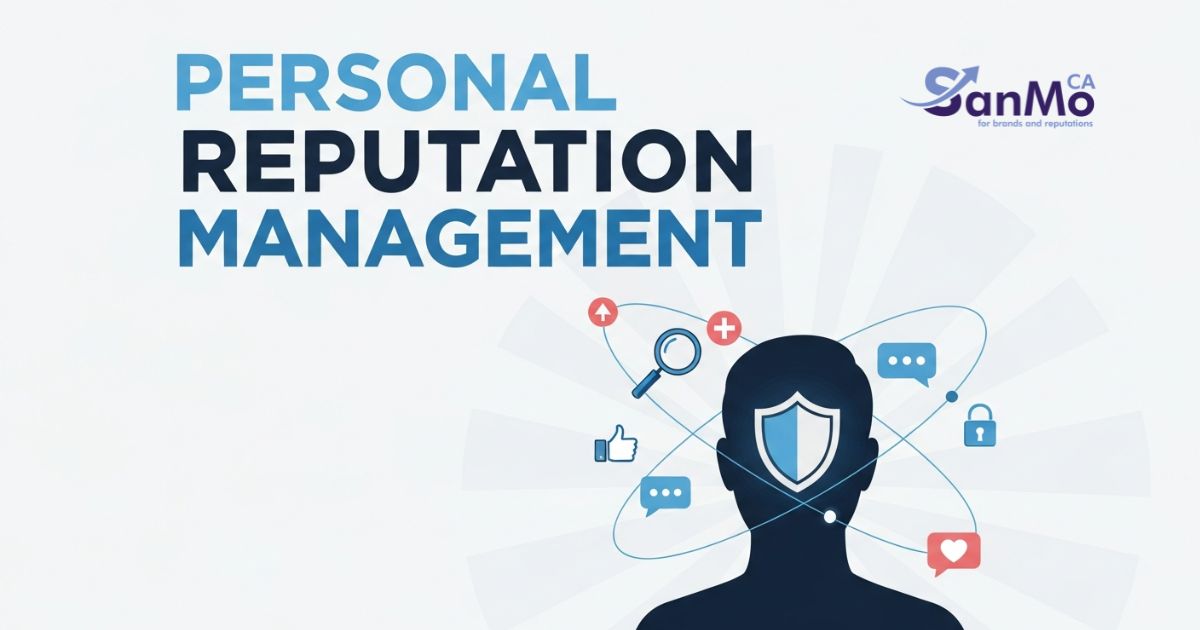
Personal reputation management is the ongoing process of monitoring, influencing, and improving how others perceive you. It covers everything from your search engine results and social media profiles to the way colleagues describe you in a meeting you’re not part of.
Think of it as two connected layers:
- Your online reputation: search results, social media, professional profiles, reviews, articles, and any content tied to your name.
- Your offline reputation: word-of-mouth, professional relationships, references, and the impression you leave in person.
Both layers feed into each other. A strong in-person reputation often leads to positive mentions online, while a polished digital presence reinforces the trust you build face-to-face. Personal reputation management ties these threads together into a consistent, credible image.
At SanMo CA, we view reputation as one of your most valuable career assets—something worth protecting with the same care you’d give your finances or your health.
Why Your Reputation Decides Career Opportunities
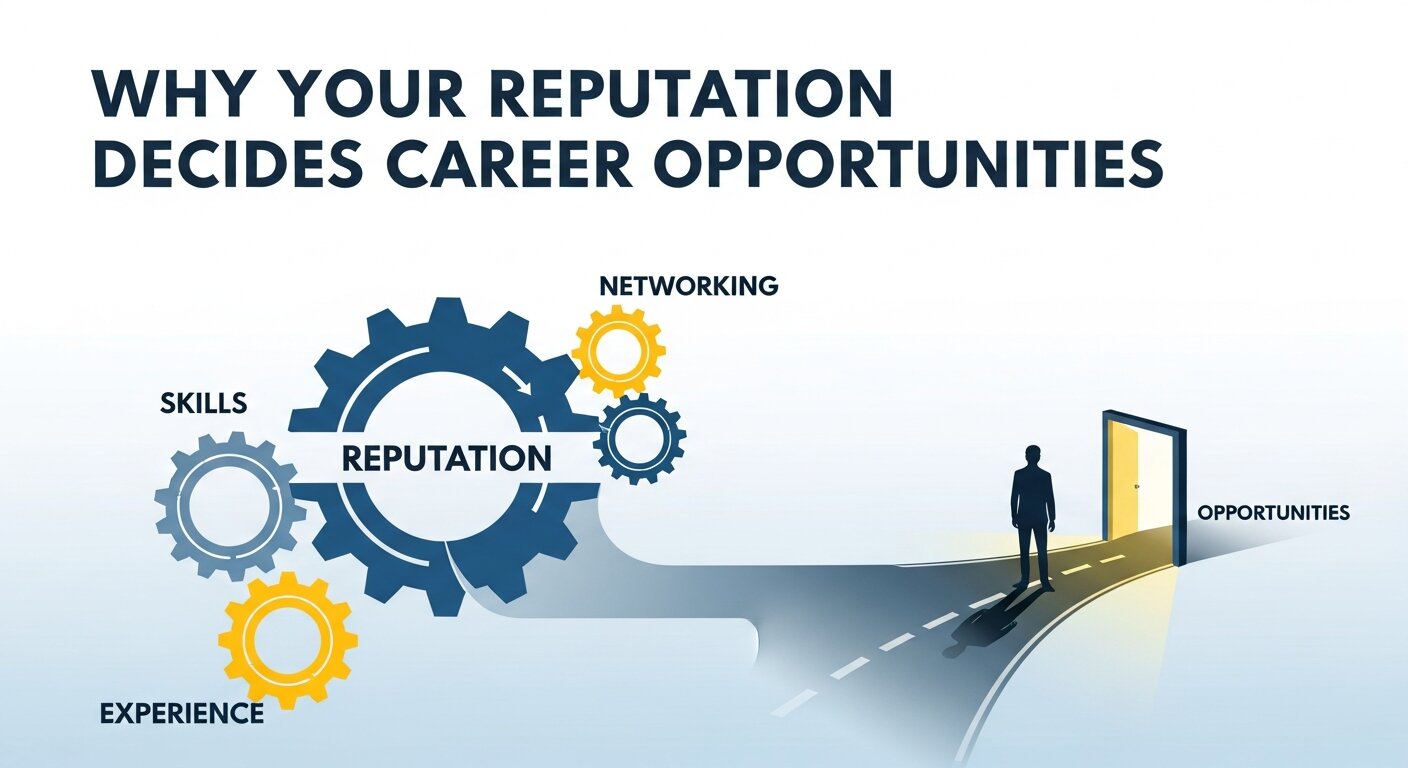 Your skills get you in the room. Your reputation determines whether you’re invited back. Here’s why it matters so much for your career trajectory.
First impressions happen before you arrive
By the time you walk into an interview, the people across the table likely already have an opinion of you. They’ve seen your LinkedIn, scanned your social media, and possibly read an old blog post or news article. If that first digital impression is messy, outdated, or contradictory, you’re starting at a disadvantage—no matter how impressive your résumé is.
Trust is the currency of professional life
Employers, clients, and partners all want to work with people they trust. A clean, consistent reputation signals reliability. When someone vouches for you, or your online presence backs up your claims, decision-makers feel safer choosing you over an equally qualified competitor.
Opportunities find people with strong reputations
Many of the best roles never get advertised. They’re filled through referrals and recommendations. When your reputation is strong, you become the name people mention when a great opportunity comes up. A weak or invisible reputation, on the other hand, keeps you out of those conversations entirely.
One negative result can cost you
A single damaging search result—an old controversy, a negative review, or even a case of mistaken identity with someone who shares your name—can derail an opportunity. Decision-makers rarely ask for context. They simply move on to the next candidate. Personal reputation management helps you address these issues before they cost you.
The Career Areas Most Affected by Your Reputation
Reputation doesn’t just matter when you’re job hunting. It influences nearly every stage of your professional journey.
Landing new jobs
Hiring managers use online research to confirm whether you’re the right fit. A professional, consistent presence reassures them. Red flags—unprofessional photos, inflammatory posts, or conflicting information about your background—can quietly remove you from the shortlist.
Earning promotions and raises
Internal reputation matters too. How leaders and peers perceive your professionalism, reliability, and judgment shapes who gets tapped for advancement. The colleague seen as trustworthy and credible often moves up faster than the one with stronger technical skills but a shakier reputation.
Winning clients and building a business
For freelancers, consultants, and business owners, reputation is everything. Prospective clients read reviews, check testimonials, and look you up before signing a contract. A strong reputation shortens the sales cycle and justifies premium rates.
Expanding your professional network
People connect with those they respect and trust. A solid reputation makes others more willing to introduce you, collaborate with you, and bring you into valuable circles. That network, in turn, generates even more opportunities.
How to Take Control of Your Personal Reputation
 Building a strong reputation isn’t about spin or pretending to be someone you’re not. It’s about making sure the truth of who you are is visible, accurate, and easy to find. Here’s how to start.
Step 1: Audit what’s already out there
You can’t manage what you don’t measure. Search your name on Google, Bing, and social media platforms. Use an incognito window for unbiased results. Note what shows up on the first two pages, since that’s where most people stop looking.
Ask yourself:
- Does this content reflect who I am today?
- Is anything outdated, inaccurate, or unflattering?
- Are there gaps where I should be more visible?
Step 2: Strengthen your professional profiles
Your LinkedIn profile is often the first result people see, so make it count. Use a professional photo, write a clear headline, and keep your experience current. Fill out other relevant profiles—industry directories, personal websites, or portfolio pages—so your presence is consistent across platforms.
Consistency matters. Make sure your job titles, dates, and key details match everywhere they appear. Conflicting information erodes trust fast.
Step 3: Create content that reflects your expertise
The best way to push down negative or irrelevant results is to publish positive, relevant ones. Share articles, post thoughtful commentary in your field, or contribute to industry conversations. Over time, this content builds authority and crowds out anything you’d rather not be associated with.
You don’t need to become a full-time influencer. Even modest, consistent activity signals that you’re engaged and credible in your field.
Step 4: Monitor your reputation continuously
Reputation management is ongoing, not a one-time fix. Set up Google Alerts for your name so you’re notified when new content appears. Check your profiles regularly. The sooner you spot a problem, the easier it is to address before it spreads.
Step 5: Address negative content strategically
If you find damaging content, resist the urge to panic. Some issues can be resolved by reaching out to the source and requesting a correction or removal. Others are better managed by building enough positive content to push the negative result off the first page. For serious or persistent problems, professional reputation management support can make the difference.
When to Get Professional Help
Some reputation challenges are too complex or sensitive to handle alone. Persistent negative search results, coordinated attacks, or false information that won’t go away often require expert intervention.
This is where a dedicated partner like SanMo CA adds value. Professional reputation management combines strategy, content, and technical know-how to repair damage, suppress harmful results, and build a lasting positive presence. If your career or business is on the line, expert support is an investment, not an expense.
Consider professional help if:
- Negative or false content keeps appearing despite your efforts.
- A reputation problem is actively affecting your job prospects or income.
- You lack the time or tools to manage your reputation effectively.
- You’re entering a high-visibility role where the stakes are higher.
How Social Media Activity Shapes Professional Perception
Social media has become one of the first places employers, clients, and business partners look when evaluating someone. Even accounts intended for personal use can influence professional opportunities. Posts, comments, photos, and interactions all contribute to the impression people form about your character, judgment, and values. This doesn’t mean you need to avoid social media altogether. Instead, focus on maintaining a balance between authenticity and professionalism. Review privacy settings regularly, remove content that no longer reflects who you are, and think carefully before posting. Consistent, thoughtful activity can reinforce your expertise and credibility, while careless online behavior can create doubts that affect career advancement, networking opportunities, and long-term professional growth.
Common Personal Reputation Mistakes to Avoid
Many reputation issues are caused not by major scandals but by small mistakes that accumulate over time. An incomplete LinkedIn profile, outdated employment information, unprofessional photos, or inconsistent messaging can all undermine credibility. Another common mistake is ignoring online reviews, comments, or mentions that involve your name. Silence can sometimes be interpreted as indifference. Oversharing personal opinions on controversial topics may also create unnecessary risks, especially in industries where trust and professionalism are highly valued. The key is to be intentional about your digital presence. Regular maintenance and thoughtful communication help prevent minor issues from becoming significant reputation challenges that could impact future opportunities and professional relationships.
The Long-Term Benefits of a Strong Personal Reputation
A positive reputation creates advantages that extend far beyond your current job search or business goals. Over time, it helps establish trust, authority, and recognition within your industry. Professionals with strong reputations often receive more referrals, speaking opportunities, leadership invitations, and collaboration requests. They are also better positioned to navigate career changes because their credibility follows them wherever they go. A well-managed reputation acts as a form of professional insurance, helping maintain confidence even during challenging situations. By consistently demonstrating expertise, integrity, and reliability, you create a foundation that supports long-term success and opens doors that may never become available through qualifications and experience alone.
Building a Reputation That Reflects Your Values
 The most effective personal reputation management strategy is rooted in authenticity. Rather than trying to create an artificial image, focus on ensuring your reputation accurately reflects your values, skills, and professional goals. People are more likely to trust individuals whose actions align with their public image. Start by identifying the qualities you want to be known for, such as leadership, creativity, dependability, or expertise. Then reinforce those qualities through your work, online content, and professional interactions. Consistency across every touchpoint strengthens credibility and makes your reputation more resilient. When your public presence genuinely reflects who you are, building trust becomes easier, and your professional influence grows naturally over time.
Frequently Asked Questions
What is the difference between personal reputation management and personal branding?
Personal branding is about defining and promoting the image you want to project—your values, expertise, and unique strengths. Personal reputation management is broader. It includes building that brand, but also monitoring how others actually perceive you and correcting any gaps between your intended image and reality. Branding is what you say about yourself; reputation is what the world finds and believes.
How long does it take to improve your online reputation?
It depends on the situation. Minor updates, like polishing your profiles, can show results within days. Suppressing negative search results or building authority through new content usually takes several months of consistent effort. Serious reputation repair can take longer, which is why starting early—before a crisis hits—is always the smarter approach.
Can negative search results really cost me a job?
Yes. Many hiring managers research candidates online and have passed on applicants because of what they found. Even content that isn’t truly damaging—an outdated photo or a post taken out of context—can create doubt. Since decision-makers rarely ask for an explanation, managing those results proactively protects your opportunities.
Do I need to hire a professional, or can I manage my reputation myself?
Many people can handle the basics on their own: auditing their name, updating profiles, and publishing positive content. Professional help becomes worthwhile when problems are persistent, complex, or actively hurting your career or income. A specialist like SanMo CA brings the tools, strategy, and experience to resolve issues that are difficult to fix alone.
How often should I check my online reputation?
Set up Google Alerts for your name so you’re notified automatically, and do a manual check at least once a quarter. If you’re in a high-profile role or actively job hunting, monthly reviews are wise. Consistent monitoring helps you catch and address problems before they grow.
Take Charge of Your Reputation Today
Your reputation is working for you or against you every single day—often in rooms you’ll never enter. The professionals who treat personal reputation management as a deliberate practice, rather than an afterthought, are the ones who consistently land better roles, command higher rates, and unlock opportunities others never see.
Start with a simple audit this week. Search your name, review what you find, and identify one improvement you can make right away. Small, steady actions compound into a reputation that opens doors for years to come.
And if you’d rather have experts handle it, SanMo CA is here to help you build, protect, and grow a reputation that reflects your true value. Reach out today to take the first step toward a stronger professional future.