A single bad review, an unflattering news article, or a viral social media complaint can severely damage a brand’s reputation. Your online presence acts as your digital storefront. When potential customers search for your business, the first page of search results shapes their entire perception of your company. If negative links dominate those results, you risk losing trust, credibility, and revenue before a customer even clicks on your website.
Ignoring these issues rarely makes them disappear. Search engines often reward highly clicked controversial content, pushing it further up the rankings. This visibility creates a frustrating cycle where bad press continues to attract attention, which in turn solidifies its position at the top of search results. Businesses need a proactive strategy to take control of their digital footprint.
This is where negative content management comes into play. By actively monitoring, addressing, and suppressing harmful online material, you can protect your brand’s image. Throughout this guide, we will explore practical strategies to handle online crises. With the right approach and guidance from industry leaders like SanMo CA, your company can turn a digital disaster into a powerful comeback story.
Understanding Negative Content Management
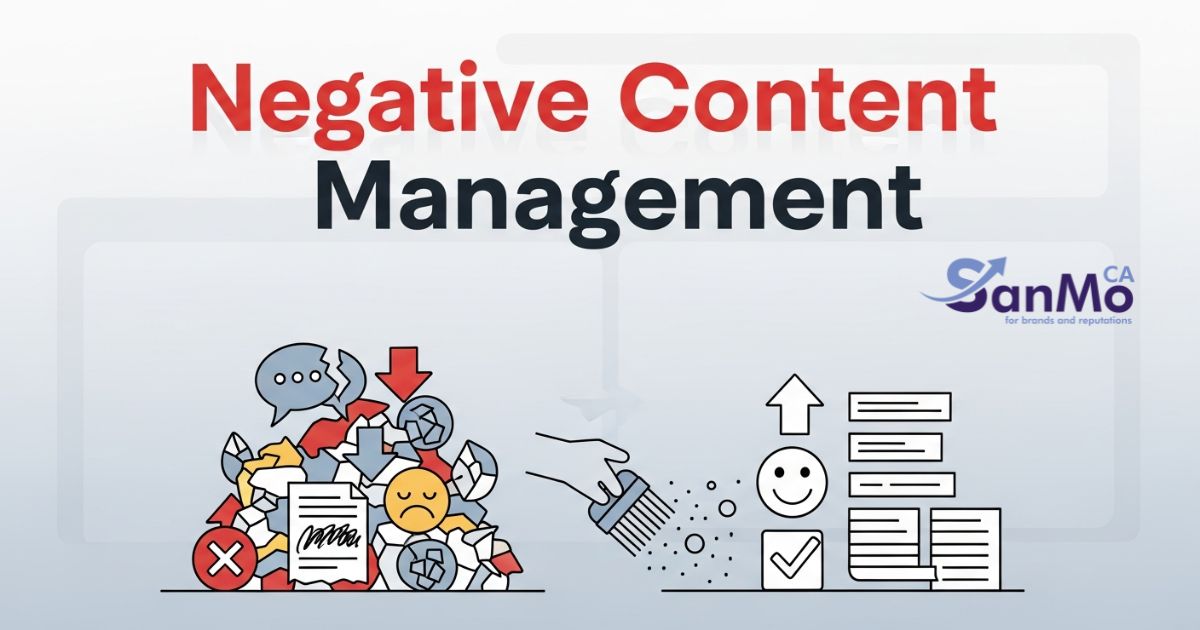
Negative content management involves identifying, monitoring, and mitigating harmful information about a person or business on the internet. This process goes beyond simply asking a website owner to delete a bad review. It requires a comprehensive approach to digital public relations, search engine optimization, and brand building.
When a crisis hits, emotions often run high. Business owners might feel tempted to fire back at critics or threaten legal action. Unfortunately, aggressive responses usually backfire. They can draw more attention to the original complaint, a phenomenon known as the Streisand Effect. Effective management requires a calm, calculated strategy.
The primary goal is to push harmful links off the first page of search engine results. Most internet users rarely click past page one. By promoting positive, accurate information about your brand, you can naturally suppress unwanted content. This method ensures that when people search for your business, they find content that reflects your actual values and achievements.
The True Cost of Unmanaged Bad Press
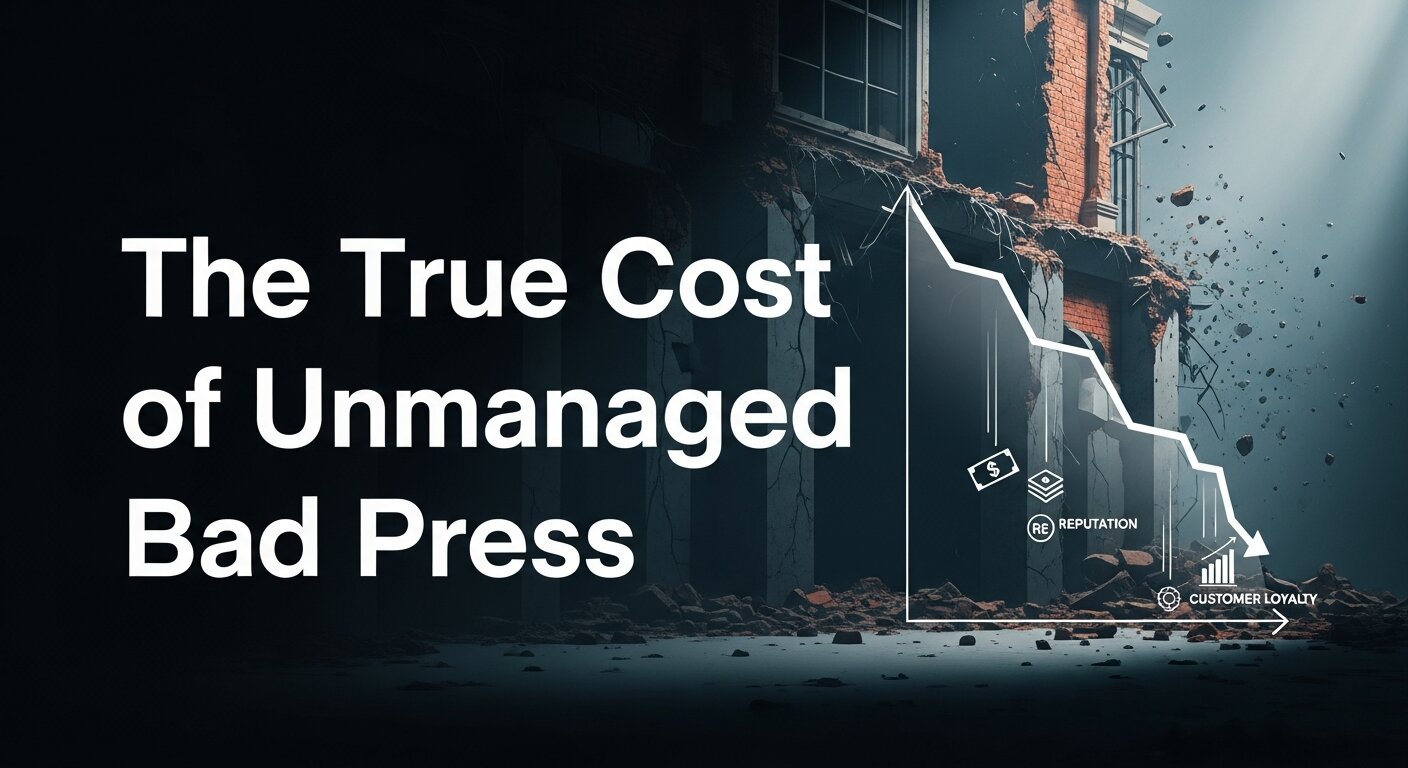 Online reputation directly impacts the bottom line. Consumers rely heavily on search engines and review platforms to make purchasing decisions. If a prospective client sees a string of one-star ratings or a critical blog post, they will likely take their business to a competitor.
Recruitment also suffers when a company has a poor online reputation. Top talent conducts research before accepting job offers. If search results highlight toxic workplace allegations or poor leadership, qualified candidates will look elsewhere. This makes hiring more difficult and expensive.
Furthermore, partnerships and investments can fall through due to bad press. Investors conduct thorough due diligence. A digital footprint filled with unresolved complaints or legal disputes raises massive red flags. Taking control through negative content management safeguards your revenue, your team, and your future growth.
Proven Strategies to Handle Online Crises
 Turning a crisis into a comeback requires a systematic approach. You need to address the immediate damage while building a resilient online profile for the future.
Respond Promptly and Professionally
Time is critical when dealing with customer complaints or negative reviews. A swift response shows that your company values feedback and cares about customer satisfaction. Always remain polite and professional, even if the criticism seems unfair. Acknowledge the issue, apologize for the poor experience, and offer to resolve the matter offline. Provide a phone number or direct email address so the individual can contact customer support directly.
Claim and Optimize Your Online Profiles
To control the narrative, you must own your digital real estate. Claim your profiles on all relevant platforms, including Google Business Profile, Yelp, LinkedIn, Facebook, and industry-specific review sites. Ensure that your company information is accurate, up to date, and consistent across all channels. Fully optimized profiles rank highly in search results, giving you more control over what appears when someone searches for your brand.
Generate High-Quality, Positive Content
The most effective way to bury bad press is to outrank it with excellent content. Search engines favor fresh, relevant, and authoritative information. Start a company blog and publish articles that address your audience’s needs. Create active social media accounts and post engaging updates regularly. You can also distribute press releases about new product launches, community involvement, or company milestones. Over time, this positive content will climb the search rankings, pushing negative links down.
Utilize Search Engine Optimization (SEO)
Content creation only works if people can find it. Apply strong SEO practices to all your digital assets. Use relevant keywords naturally within your website copy, blog posts, and social media profiles. Build strong backlinks by guest posting on reputable industry websites. The stronger your positive web pages become, the harder it will be for negative content to maintain a top position in search results.
Request Removal of Violating Content
Sometimes, you can get negative content removed entirely. Review platforms have strict guidelines against hate speech, harassment, and fake reviews. If a post violates these terms of service, you can flag it for removal. Similarly, if a website publishes defamatory information or infringes on your copyright, you can issue a formal takedown request. Keep in mind that removal is not guaranteed, which is why suppression through positive content remains the most reliable strategy.
Partnering with SanMo CA for Lasting Results
Handling a digital crisis internally drains time and resources. Many businesses lack the specialized SEO and public relations expertise required to suppress stubborn search results. That is why companies turn to professionals for help.
SanMo CA specializes in comprehensive negative content management. Their team understands the intricate algorithms that govern search engine rankings. By partnering with SanMo CA, businesses gain access to advanced reputation monitoring tools and proven suppression strategies.
SanMo CA does not just react to bad press; they proactively build a fortress around your brand. They help generate authoritative content, optimize your existing digital assets, and monitor the web for emerging threats. With SanMo CA managing your online reputation, you can focus on running your business with peace of mind.
Leveraging Social Proof to Rebuild Trust
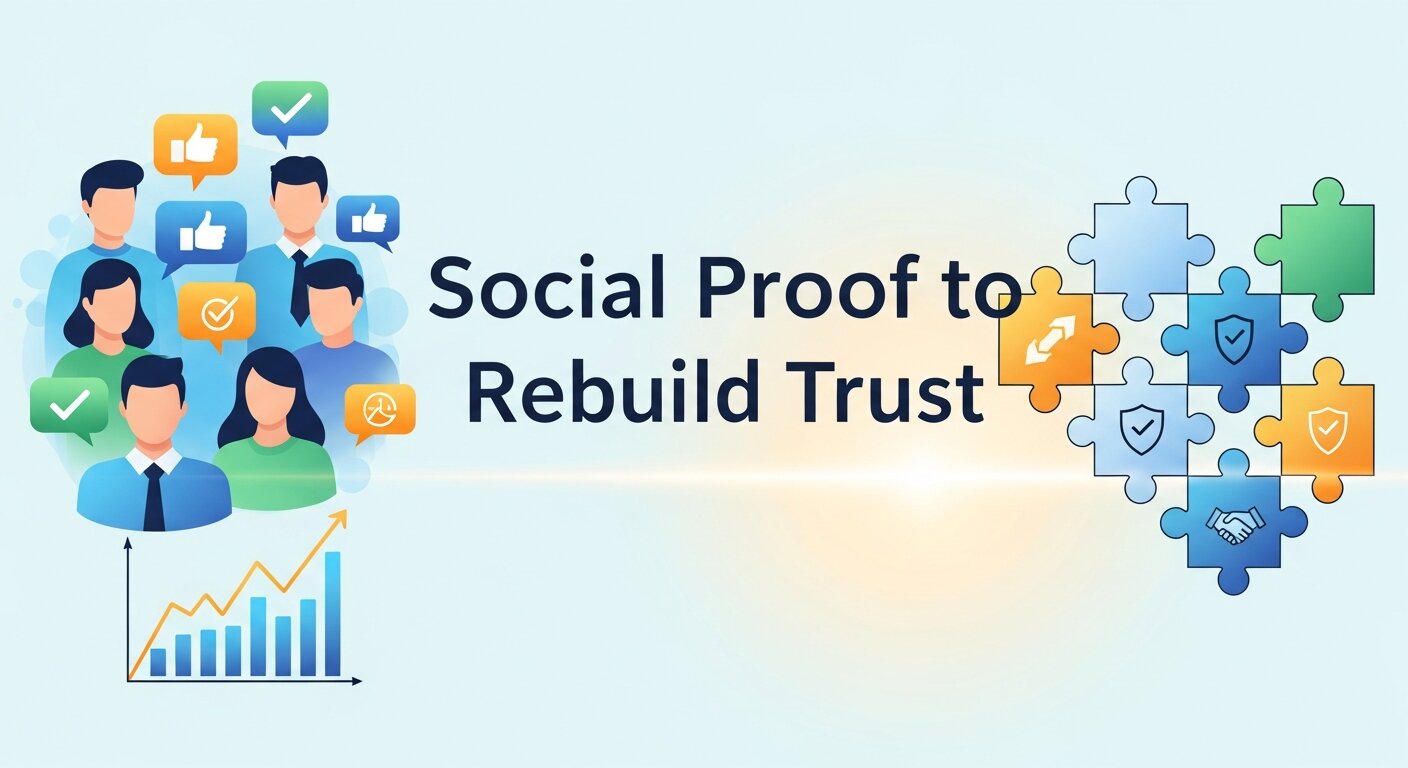 Social proof plays a crucial role in shaping public perception, especially after a wave of negative content. When potential customers see positive reviews, testimonials, and endorsements from real users, they are more likely to trust your brand. Encourage satisfied customers to leave honest reviews on platforms like Google, Facebook, and industry-specific directories. Showcase case studies and success stories on your website to demonstrate credibility. Video testimonials and user-generated content can further strengthen authenticity. By consistently highlighting positive experiences, you can counterbalance negative narratives and gradually rebuild trust. Over time, strong social proof not only improves reputation but also increases conversions and customer loyalty.
Monitoring Tools for Real-Time Reputation Tracking
Effective negative content management requires continuous monitoring of your online presence. Using reputation monitoring tools allows you to detect harmful mentions early and respond before they escalate. Tools like Google Alerts, social listening platforms, and brand monitoring software track keywords related to your business name, products, or key executives. Real-time alerts enable you to act quickly when negative content appears on blogs, forums, or social media. Early detection reduces the chances of content going viral and damaging your reputation further. Consistent monitoring also helps you analyze trends, understand customer sentiment, and refine your communication strategy for better long-term results.
Crisis Communication Planning for Businesses
A well-prepared crisis communication plan is essential for handling negative content effectively. Instead of reacting impulsively, businesses should have a structured approach to communication during challenging situations. This includes defining key spokespersons, creating response templates, and setting clear internal communication protocols. Transparency and honesty are critical when addressing issues publicly. Avoid defensive language and focus on solutions that reassure your audience. A good crisis plan also includes regular updates to keep stakeholders informed. By planning ahead, businesses can respond confidently and consistently, reducing confusion and preventing further damage to their reputation during high-pressure situations.
Building Authority Through Thought Leadership
Establishing your brand as a thought leader can significantly reduce the impact of negative content. When your business consistently shares valuable insights, expert opinions, and industry knowledge, it builds credibility and authority. Publish in-depth articles, participate in webinars, and contribute guest posts to reputable websites. Engaging with your audience through educational content positions your brand as a trusted resource rather than just a service provider. Over time, authoritative content ranks higher in search engines, naturally pushing down negative links. Thought leadership also attracts media attention and partnership opportunities, strengthening your brand’s overall reputation and influence in your industry.
Managing Employee Advocacy and Internal Reputation
Your employees are powerful ambassadors for your brand. Their voices can either strengthen or harm your reputation. Encouraging employee advocacy helps create a positive internal and external perception. Provide clear social media guidelines and encourage team members to share company achievements and culture highlights. Address internal issues promptly to prevent dissatisfaction from spilling into public platforms like review sites or social media. A strong workplace culture leads to positive reviews on platforms like Glassdoor, which can influence job seekers and clients alike. By fostering a supportive environment, businesses can turn employees into advocates who actively contribute to a stronger and more positive brand image.
Long-Term Reputation Maintenance Strategy
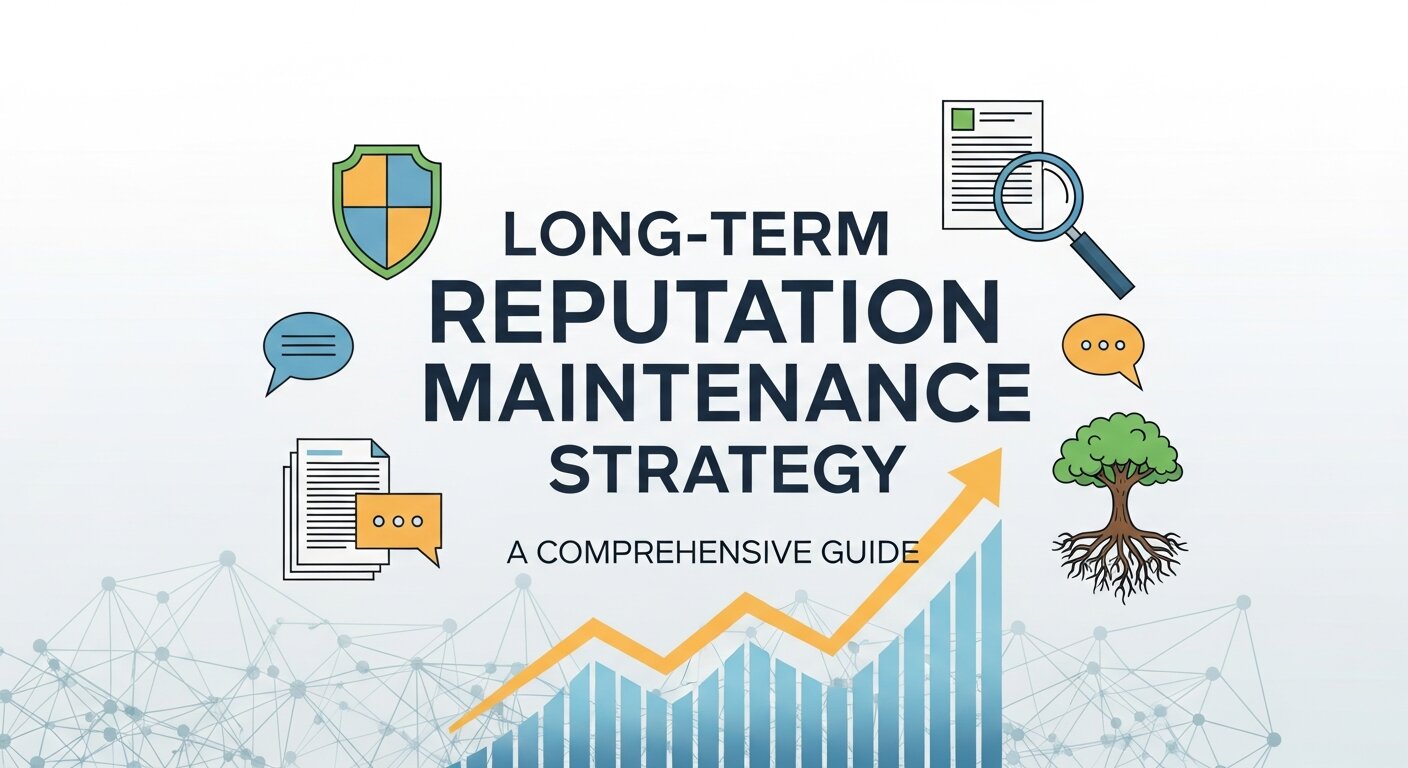 Reputation management is not a one-time effort; it requires ongoing commitment. A long-term strategy focuses on consistent content creation, regular engagement with customers, and continuous SEO optimization. Periodically audit your search results to identify potential risks and opportunities for improvement. Keep your website updated with fresh, relevant content and maintain active social media profiles. Building relationships with customers, media, and industry influencers also contributes to a stable reputation. By treating reputation management as a continuous process, businesses can stay ahead of potential issues and maintain a strong, resilient online presence even in the face of occasional negative content.
Frequently Asked Questions (FAQ)
What exactly is negative content management?
Negative content management is a strategic process used to monitor, address, and suppress harmful information about a brand online. It involves a mix of SEO, digital PR, and content creation to ensure positive information ranks higher in search results than negative links.
Can you completely delete a bad review or news article?
You can only delete content if it violates a platform’s terms of service or breaks the law (such as copyright infringement or proven defamation). Because direct removal is often difficult, the standard industry practice is suppression—pushing the bad link down in search results so fewer people see it.
How long does it take to suppress a negative search result?
The timeline varies widely based on the authority of the website hosting the bad content. A complaint on a small personal blog might be suppressed in a few weeks. A negative article on a major news outlet could take several months of sustained SEO effort to push to the second page of search results.
Why shouldn’t I just ignore a bad review?
Ignoring bad reviews signals to potential customers that you do not care about their experience. Furthermore, unaddressed complaints can gain traction and rise in search rankings. Responding professionally and implementing a management strategy protects your credibility and bottom line.
How can SanMo CA help my business specifically?
SanMo CA provides expert reputation management tailored to your specific situation. They analyze your current search results, develop a custom SEO and content strategy, and work diligently to promote positive brand assets while suppressing harmful links.
Take Charge of Your Digital Footprint
Your online reputation is one of your most valuable business assets. Allowing critical articles, unfair reviews, or social media backlash to dictate your brand narrative leaves your company vulnerable. Taking proactive steps to monitor your search results and address issues professionally builds trust with your audience.
Implementing a strong negative content management strategy requires patience and persistence. By consistently publishing high-quality content, optimizing your digital profiles, and addressing customer concerns, you can reclaim your search results. If the situation feels overwhelming, remember that expert help is available. Reach out to SanMo CA to develop a customized plan that protects your brand and sets the stage for a successful digital comeback.