
Web Design and Development play an essential role in building customer trust and creating a positive first impression of a business. When potential customers visit a website, they quickly evaluate its appearance, functionality, security, and ease of use. A professional website communicates reliability, demonstrates attention to detail, and helps visitors feel confident about engaging with a company. In contrast, an outdated design, broken links, slow loading speeds, or confusing navigation can make customers question a business’s credibility.
For businesses operating in Canada, establishing online trust is especially important in a competitive digital marketplace. Customers expect websites to provide accurate information, protect their personal data, and offer a seamless browsing experience across different devices. SanMo CA helps businesses recognize the value of professional website design and development in creating stronger digital experiences that support customer confidence, engagement, and long-term business growth.
Understanding the Connection Between Web Design and Customer Trust
Web Design and Development influence how customers perceive a brand before they interact with its products or services. A website is often the first point of contact between a business and a potential customer. Its visual appearance, content structure, and functionality can shape visitors’ expectations about the quality and reliability of the company.
A well-designed website presents information clearly and makes it easy for visitors to understand what a business offers. Consistent branding, readable content, professional imagery, and intuitive navigation create an organized digital environment. When customers can find information without unnecessary effort, they are more likely to view the business as professional and dependable.
Website development also supports trust by ensuring that interactive elements work correctly. Contact forms, booking systems, service pages, and checkout processes should function as expected. When design and functionality work together, businesses can deliver a reliable experience that encourages customers to take the next step.
How Professional Website Design Creates a Positive First Impression
 The visual quality of a website strongly influences initial customer perceptions. Visitors may form opinions about a business within seconds of landing on its homepage. A modern, organized, and visually consistent design can communicate professionalism, while cluttered layouts and outdated graphics may create uncertainty about the company’s standards.
Maintaining Consistent Brand Identity
Brand consistency helps customers recognize and remember a business across different digital channels. A website should reflect the company’s identity through coordinated colours, typography, imagery, messaging, and visual elements. Consistency between the website, social media profiles, and other marketing materials creates a recognizable brand experience.
For Canadian businesses, a clear brand identity can help distinguish their services in crowded markets. SanMo CA understands the importance of professional digital presentation in helping businesses communicate their values and establish stronger relationships with potential customers.
Using Clean and Modern Website Layouts
A clean layout makes a website easier to understand and navigate. Appropriate spacing, readable typography, organized sections, and clear headings help visitors process information without feeling overwhelmed. These design choices also allow important service details and calls to action to stand out naturally.
Modern website design should prioritize clarity rather than unnecessary visual effects. When customers can quickly identify a company’s services, benefits, and contact information, they can make more informed decisions and feel more comfortable interacting with the business.
Why Website User Experience Matters for Customer Confidence
Website user experience influences how easily customers can interact with a business online. Even an attractive website can lose credibility if visitors struggle to find information, complete forms, or access important pages. A smooth browsing experience reduces frustration and helps customers feel that the company understands their needs.
Creating Simple and Intuitive Navigation
Navigation should guide visitors through the website in a logical way. Clear menu labels, organized service categories, descriptive page headings, and accessible contact information help users move between pages without confusion. Visitors should not need to search extensively to understand what the business offers or how to contact its team.
Effective navigation is particularly important for service-based businesses that provide multiple solutions. A structured website allows potential customers to explore individual services, compare relevant information, and identify the most appropriate option. This clarity supports customer confidence and can encourage meaningful inquiries.
Improving Accessibility and Readability
Website accessibility makes digital information easier to use for people with different abilities and browsing needs. Readable fonts, sufficient colour contrast, descriptive image text, keyboard-friendly navigation, and properly labelled forms can improve usability for a broader audience.
Accessible design also demonstrates that a business values its visitors. By considering different user requirements, companies can create a more inclusive online experience while reducing unnecessary barriers. Following recognized accessibility guidance, such as the Web Content Accessibility Guidelines, can help businesses improve the usability of their websites.
The Role of Website Speed and Mobile Responsiveness in Building Trust
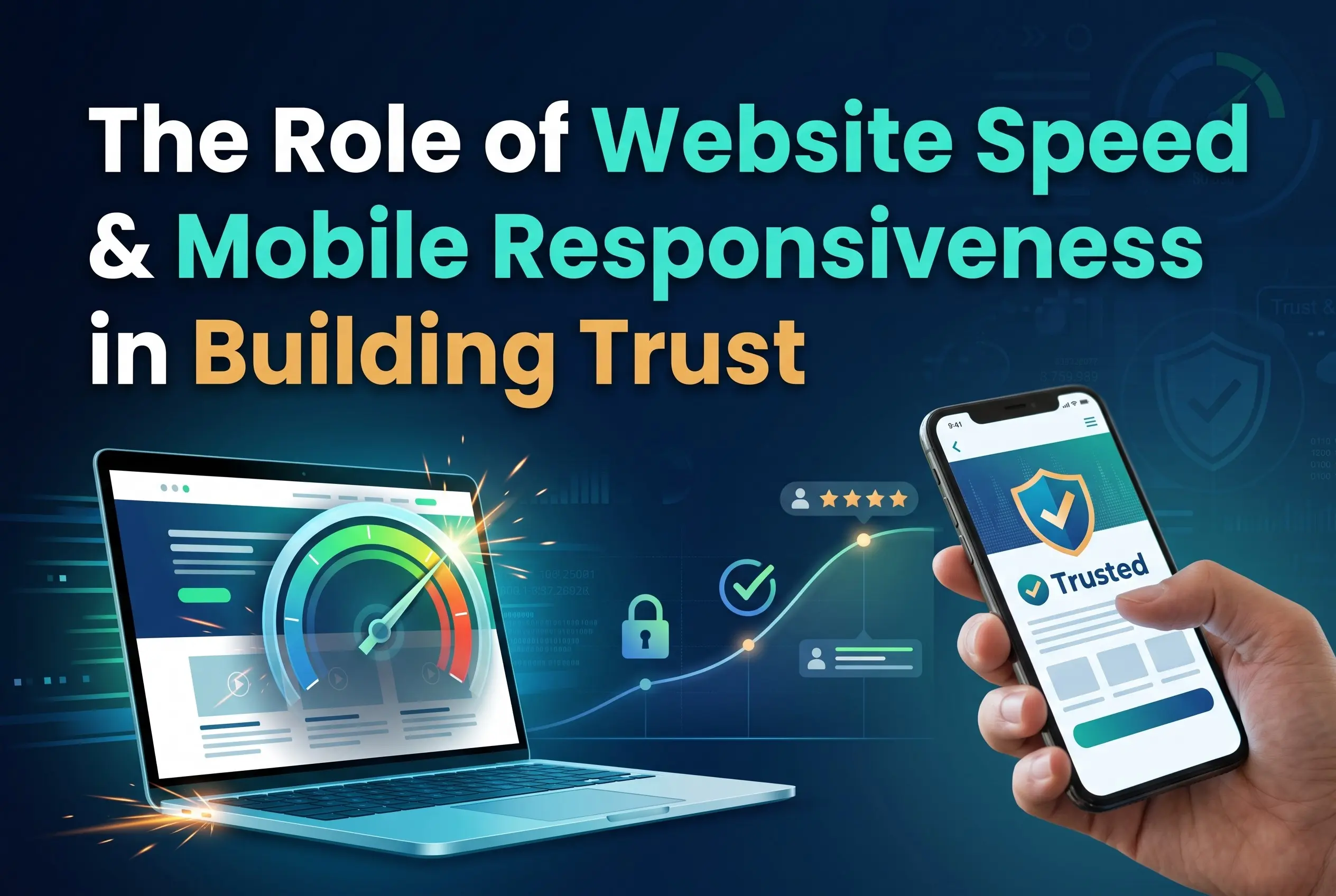 Website performance directly affects how customers experience a business online. Slow pages, unstable layouts, and unresponsive buttons can create frustration and reduce confidence. Fast-loading pages and consistent functionality help visitors access information efficiently, making performance optimization an important part of professional Web Design and Development.
Optimizing Website Loading Speed
Customers expect websites to respond quickly when they open pages, explore services, or submit information. Delays can interrupt the browsing experience and cause visitors to abandon a page before discovering its value. Optimizing image sizes, reducing unnecessary scripts, using efficient hosting, and improving caching can support faster loading times.
Website speed optimization can also support search visibility and conversion performance. Google’s Core Web Vitals provide useful measurements related to loading performance, responsiveness, and visual stability. Businesses that monitor these metrics can identify technical issues and improve the overall experience for visitors.
Delivering a Mobile-Friendly Experience
Many customers research businesses using smartphones and tablets. A mobile-responsive website automatically adjusts its layout to different screen sizes, allowing users to read content, view images, navigate menus, and complete forms comfortably.
A poor mobile experience can make even a reputable business appear outdated or difficult to work with. Responsive design helps maintain consistent quality across devices, ensuring that customers receive the same essential information whether they visit from a desktop computer or a mobile phone.
How Website Security Strengthens Customer Trust
Website security is a major factor in customer confidence, particularly when businesses collect personal information through contact forms, registrations, appointments, or online payments. Visitors need reasonable assurance that their information will be handled responsibly. A secure website helps demonstrate that the company takes digital safety seriously.
Implementing HTTPS and SSL Protection
HTTPS encrypts information exchanged between a visitor’s browser and a website. It uses Transport Layer Security, commonly associated with SSL certificates, to protect data in transit. A valid HTTPS configuration is essential for modern websites, particularly those that collect customer information.
However, HTTPS alone does not guarantee that a website or business is legitimate. Companies should combine encrypted connections with responsible data handling, secure hosting, regular software updates, and appropriate access controls. These measures help establish a more dependable online environment.
Protecting Customer Information
Customers are more likely to share information when a business explains how their data is collected, used, and protected. Clear privacy policies, secure forms, limited data collection, and appropriate retention practices help demonstrate responsible management.
Businesses should also maintain their website software and plugins, use strong administrative credentials, and monitor potential vulnerabilities. A proactive security approach reduces avoidable risks and helps protect the trust customers place in the organization.
Building Credibility Through Website Content and Transparency
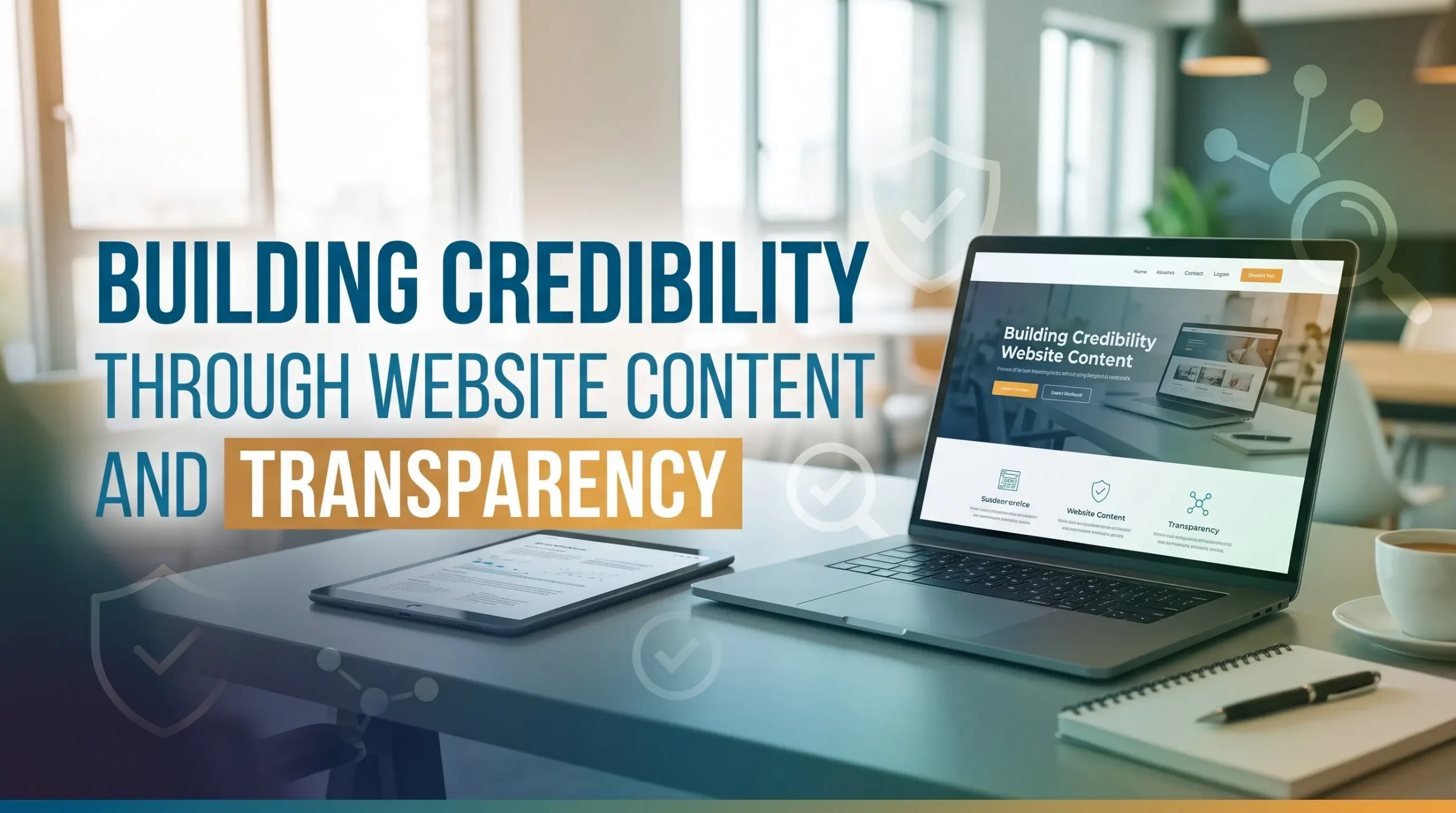 Website content influences whether customers believe a business understands its industry and can deliver on its promises. Accurate information, clear service descriptions, transparent policies, and realistic claims help visitors evaluate a company with greater confidence. Content should answer common customer questions without exaggeration or misleading statements.
Providing Accurate Business Information
A trustworthy website should clearly explain what a business does, who it serves, and how customers can get in touch. Consistent business names, contact details, service areas, and operating information reduce confusion and make verification easier.
For companies serving Canadian customers, accurate location and service information can be particularly valuable. Visitors should be able to understand whether the business operates in their area and whether its services match their requirements. Transparent information creates a stronger foundation for customer relationships.
Demonstrating Expertise and Social Proof
Useful educational content, relevant case studies, genuine customer testimonials, and verifiable credentials can help demonstrate experience. When businesses explain their processes and provide evidence of their capabilities, customers gain a clearer understanding of what to expect.
Testimonials and reviews should be authentic and presented with appropriate context. Companies should avoid fabricated endorsements or unsupported performance claims. Genuine social proof can reinforce credibility, but it works best when supported by a professional website, accurate information, and reliable customer service.
How Calls to Action and Contact Options Improve Customer Confidence
Clear calls to action help visitors understand what they can do next. Whether customers want to request a quotation, schedule a consultation, explore a service, or contact a representative, the website should make the next step straightforward. Confusing instructions and difficult-to-find contact details can create unnecessary hesitation.
Effective calls to action use descriptive language and appear where they are relevant to the visitor’s journey. Contact forms should request only necessary information, explain what happens after submission, and provide helpful confirmation when an inquiry is received.
Offering suitable communication options can also improve trust. Depending on the business model, these may include email, telephone, appointment booking, or live chat. Businesses should ensure that the channels they display are monitored and that response expectations are realistic. Reliable communication reinforces the professionalism established by the website itself.
The Business Benefits of Trust-Focused Web Design and Development
 Investing in trust-focused Web Design and Development can support more than visual improvements. A website that communicates credibility, functions reliably, and provides useful information can help businesses strengthen customer relationships throughout the buying journey. When visitors feel confident about a company, they may be more willing to explore its services and submit an inquiry.
Improved usability can reduce barriers that prevent customers from completing important actions. Clear navigation, fast performance, accessible layouts, and effective contact options help visitors move from initial research toward meaningful engagement. These improvements can support lead generation and conversion optimization when they align with customer needs.
A professional website can also contribute to long-term brand reputation. Consistent digital experiences help reinforce the company’s identity and provide a dependable destination for customers who discover the business through search engines, referrals, social media, or advertising. Results depend on the quality of implementation, market conditions, and the business’s wider customer experience.
Why Canadian Businesses Should Invest in Professional Website Development
Canadian businesses operate in markets where customers can compare multiple providers before making a decision. A professional website helps companies communicate their value, explain their services, and establish a credible digital presence. It also provides a central location where potential customers can review business information before contacting a company.
Professional website development brings together design, technical performance, security, responsiveness, and functionality. These elements should support the company’s specific objectives rather than simply follow visual trends. A service provider may prioritize lead generation and consultation bookings, while an online retailer may focus on product information, checkout usability, and transaction security.
SanMo CA provides a relevant starting point for businesses exploring professional web design and development services in Canada. Companies can review their existing website, identify weaknesses in usability and performance, and determine which improvements would most effectively support customer trust and business goals.
Conclusion
Web Design and Development influence customer trust through every stage of the online experience, from the first visual impression to the final contact or purchase. Professional layouts, intuitive navigation, mobile responsiveness, strong performance, website security, transparent content, and reliable communication all contribute to a more credible digital presence.
Businesses that prioritize these elements can make it easier for visitors to understand their services and interact with confidence. For Canadian companies, a trustworthy website can support stronger engagement, better customer experiences, and sustainable digital growth. SanMo CA can help businesses explore professional website design and development solutions that align with their brand identity, audience expectations, and long-term objectives.
Frequently Asked Questions (FAQs)
1. How Does Web Design and Development Influence Customer Trust?
Web Design and Development influence trust by shaping how customers perceive a business’s professionalism, reliability, and credibility. A clear layout, responsive functionality, secure browsing, and accurate information help visitors feel more comfortable exploring services and contacting the company.
2. Why Is Website Design Important for Canadian Businesses?
Website design helps Canadian businesses establish a professional online presence and communicate their value to potential customers. An organized, mobile-friendly website can make services easier to understand and help companies stand out in competitive markets.
3. Can a Poor Website Design Damage Brand Reputation?
Yes, a confusing or outdated website can make visitors question a company’s professionalism. Broken links, inconsistent branding, difficult navigation, and poor mobile functionality may create a negative impression and discourage customers from making contact.
4. How Does Website Speed Affect Customer Confidence?
Fast-loading websites allow visitors to access information without unnecessary delays. Better performance reduces frustration, supports a smoother user experience, and can help customers perceive the business as more reliable.
5. Why Is Mobile Responsiveness Important for Building Trust?
Mobile responsiveness ensures that a website works effectively across smartphones, tablets, and desktop computers. It allows customers to navigate pages, read content, and complete actions comfortably regardless of their device.
6. How Does Website Security Improve Customer Trust?
Website security helps protect information shared through online forms and other interactions. HTTPS encryption, updated software, secure hosting, and responsible data practices demonstrate that a business takes digital safety seriously.
7. What Website Features Help Establish Business Credibility?
Professional branding, clear service descriptions, accurate contact details, transparent privacy policies, genuine testimonials, secure connections, and intuitive navigation can all contribute to business credibility.
8. Does Website User Experience Affect Conversions?
Yes, a positive user experience can make it easier for visitors to understand services and complete desired actions. Clear calls to action, accessible forms, logical navigation, and fast pages can reduce friction in the conversion process.
9. How Often Should a Business Update Its Website?
Businesses should review their websites regularly and update them whenever information, security requirements, technology, or customer needs change. Periodic performance and usability audits can help identify improvements before problems significantly affect the customer experience.
10. How Can SanMo CA Help Businesses Improve Their Online Presence?
Businesses can explore SanMo CA’s web design and development services to identify solutions for their digital presence. Suitable improvements may include responsive design, usability enhancements, website functionality, and performance-focused development based on specific business requirements.