Digital marketing has become one of the most effective ways for businesses to reach potential customers, build brand awareness, and increase sales. As more people use the internet to search for products, compare services, and make purchasing decisions, businesses need a strong online presence to remain competitive. Whether you own a small business, manage a large company, or are just starting your career, understanding digital marketing can help you connect with your target audience and achieve long-term growth. From search engine optimization and social media to content creation and paid advertising, it offers several opportunities to promote products and services online. In this complete guide, we will explore different strategies, marketing channels, techniques, and benefits to help you understand how online promotion works and how to use it effectively.
Digital Marketing Strategies
A successful digital marketing strategy is a planned approach to promoting a business through online platforms. It involves understanding your target audience, setting clear objectives, choosing suitable marketing channels, and creating content that encourages people to take action. The first step is identifying your ideal customers. Businesses should understand their audience’s interests, problems, purchasing habits, and online behaviour. This information makes it easier to develop relevant campaigns that attract the right people instead of spending resources on an audience that may not be interested.
Setting measurable goals is equally important. Some businesses want to increase website traffic, while others focus on generating leads, improving brand awareness, or increasing online sales. Having specific goals helps determine which strategies are worth investing in. Another important element is competitor research. Understanding what competitors are doing can reveal opportunities to improve your website, create more useful content, and offer a better customer experience. Businesses should also monitor campaign performance regularly. Website analytics, conversion tracking, and engagement reports help identify what is working and what needs improvement. A well-planned digital marketing strategy should remain flexible because customer behaviour, technology, and online trends continue to change.
Types of Digital Marketing
There are several types of digital marketing, and each serves a different purpose. Businesses can combine multiple approaches to create a stronger online presence and reach customers at different stages of their buying journey. Search engine marketing helps businesses appear when people search for relevant products or services. It includes organic search optimization as well as paid search campaigns. Social media marketing uses platforms such as Facebook, Instagram, LinkedIn, and TikTok to connect with audiences, share information, and promote products.
Content marketing focuses on creating useful and informative material, including blog articles, videos, guides, and infographics. Email marketing allows businesses to communicate directly with subscribers through newsletters, promotional messages, and personalized updates. Affiliate marketing is another popular approach in which businesses work with partners who promote their products in exchange for a commission on qualifying sales. Influencer marketing uses individuals with established audiences to introduce products and services to potential customers. Each type has its own advantages. The right combination depends on business objectives, available resources, industry competition, and audience preferences.
Online Marketing Techniques
 Online marketing techniques are the practical methods businesses use to attract visitors, generate leads, and convert potential customers into paying clients. One effective technique is creating valuable website content that answers common customer questions. When visitors find helpful information, they are more likely to trust a business and explore its products or services.
Another useful approach is email automation. Businesses can send welcome messages, product recommendations, follow-up emails, and special offers based on customer actions. This helps maintain communication without requiring every message to be sent manually. Retargeting is also an effective technique. It allows businesses to show advertisements to people who have previously visited their websites or interacted with their content. Since these users already know about the brand, retargeting can encourage them to return and complete a purchase.
Personalization can improve campaign performance as well. Businesses can tailor website experiences, advertisements, and email messages according to customer interests and behaviour. However, successful online promotion requires more than simply publishing content or running advertisements. Companies need to understand their audience, test different approaches, measure results, and continuously improve their campaigns.
Digital Marketing Channels
Marketing channels are the online platforms and communication methods businesses use to reach their target audiences. Choosing appropriate channels is essential because customers may use different platforms when researching products or making purchasing decisions. Search engines are among the most important channels because people regularly use Google and other search platforms to find information, compare services, and discover businesses. A properly optimized website can attract visitors who are already interested in what a company offers.
Social media platforms provide opportunities to communicate directly with customers, share updates, publish educational content, and build communities. Businesses can also use these platforms to respond to questions and understand customer feedback. Email remains a valuable communication channel because it gives companies direct access to people who have subscribed to receive their messages. Unlike social media followers, an email subscriber list provides a communication channel that businesses can manage independently of social platform algorithms.
Websites and blogs are equally important because they serve as the central destination for online campaigns. They provide detailed information about products, services, company values, and customer support. Other channels include video-sharing platforms, online marketplaces, mobile applications, podcasts, and display advertising networks. Businesses should select channels based on where their target customers spend time and which platforms support their marketing objectives.
Benefits of Digital Marketing
One of the biggest benefits of digital marketing is the ability to reach a wider audience without depending entirely on traditional advertising methods. Businesses can connect with potential customers across different cities, countries, and regions through online platforms. Cost efficiency is another major advantage. Many online promotional methods allow businesses to start with smaller budgets and increase their investment as they see positive results. This makes online promotion accessible to startups, small businesses, and established companies.
Targeting is also more flexible. Businesses can create campaigns based on factors such as location, interests, search behaviour, and demographics. This helps them deliver relevant messages to people who are more likely to become customers. Measurable performance makes online campaigns particularly valuable. Companies can monitor website visits, clicks, impressions, engagement, leads, and conversions. These insights help businesses understand how their budgets are performing.
Another important advantage is customer engagement. Social media, email, live chat, and other online communication tools make it easier to answer questions, collect feedback, and develop long-term relationships. With consistent planning and optimization, businesses can improve their visibility, build customer trust, and create sustainable growth through online marketing.
Digital Marketing for Beginners
 Getting started with digital marketing may seem challenging because there are many platforms, tools, and strategies to understand. However, beginners can make progress by learning the fundamentals and focusing on one area at a time. The first step is understanding how websites, search engines, social media platforms, and online advertisements work. These basic concepts provide a foundation for learning more advanced marketing methods.
Next, beginners should choose a specific skill to develop. For example, learning SEO can help someone understand how websites attract organic traffic, while studying social media can teach them how to build an audience and create engaging content. Practising with a personal website, blog, or small project is an excellent way to develop practical experience. It allows beginners to experiment with content creation, keyword research, website optimization, and performance tracking.
Learning analytics is also important. Tools such as Google Analytics and Google Search Console can provide useful information about website traffic, search performance, and visitor behaviour. Beginners should avoid trying every strategy at once. Instead, they should build their knowledge gradually, follow reliable learning resources, and focus on improving their skills through regular practice.
Search Engine Optimization (SEO)
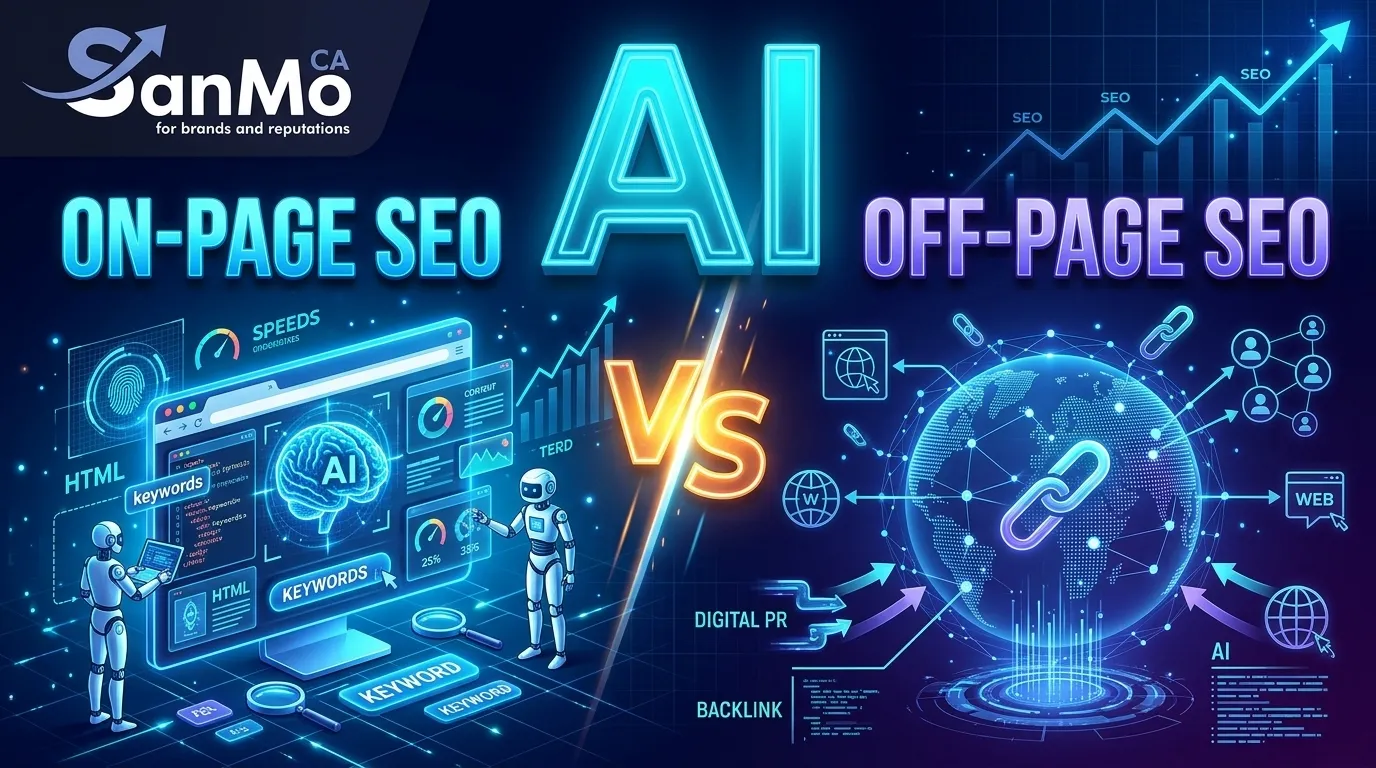
Search engine optimization, commonly known as SEO, is the process of improving a website so that it can appear more prominently in organic search engine results. It is an essential part of digital marketing because it helps businesses attract visitors who are actively searching for relevant information, products, or services. SEO generally includes three important areas: on-page SEO, off-page SEO, and technical SEO.
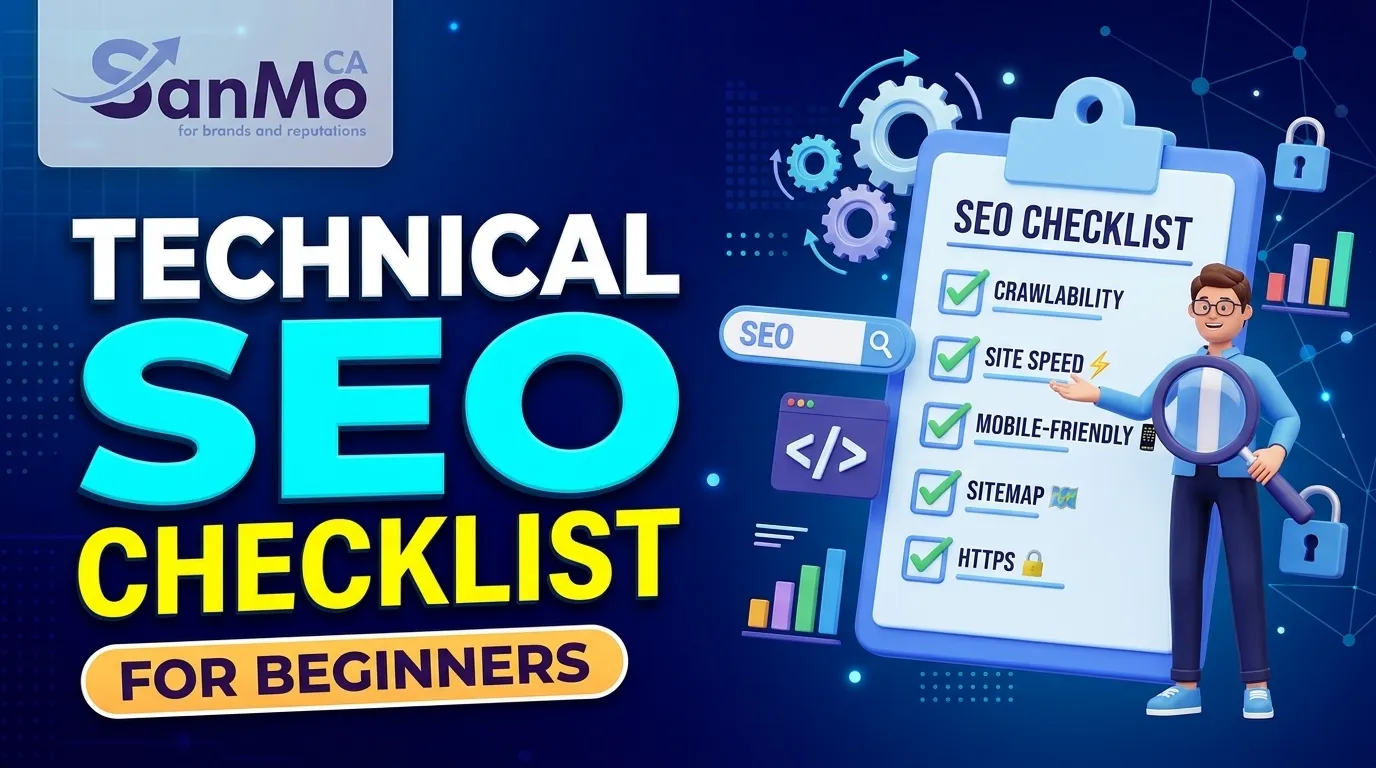
On-page SEO involves optimizing website content, page titles, meta descriptions, headings, images, internal links, and keyword placement. High-quality content should provide meaningful answers to users’ questions instead of simply repeating keywords. Technical SEO focuses on website performance, mobile usability, crawlability, indexing, site structure, and secure connections. A technically sound website makes it easier for search engines to understand and access its content.
Off-page SEO involves building authority and credibility through external signals, including relevant backlinks, brand mentions, and digital relationships. Ethical link-building practices are especially important because low-quality or manipulative links can create long-term problems. If your website is struggling to attract organic traffic, understanding the reasons behind poor search performance is essential. You can explore this helpful guide on why your website is not ranking on Google to understand common ranking problems and potential solutions.
Search behaviour is also changing as AI-powered search experiences become more popular. Businesses should consider how their content can provide clear, trustworthy, and useful answers across traditional search engines and AI-driven platforms. For more information, read this practical guide to AI search optimization for brands. SEO is not an overnight process. It requires consistent content improvements, technical maintenance, research, and performance monitoring. However, a well-maintained website can generate valuable organic traffic over time.
Social Media Marketing
Social media marketing involves using social networking platforms to promote a brand, communicate with customers, and increase awareness of products or services. Platforms such as Facebook, Instagram, LinkedIn, YouTube, and TikTok offer different opportunities depending on the target audience. For example, Instagram and TikTok are useful for visual content, short videos, and creative storytelling. LinkedIn is particularly valuable for professional networking, B2B marketing, and industry-related content. Facebook can help businesses build communities, share updates, and reach different customer groups.
The key to successful social media promotion is creating content that people genuinely want to engage with. Businesses can publish educational posts, product demonstrations, customer stories, behind-the-scenes videos, and industry updates. Consistency is also important. Posting regularly helps maintain audience interest and creates more opportunities for people to interact with a brand. However, quality should always be more important than publishing a large amount of content without a clear purpose.
Businesses should also respond to comments, messages, and customer feedback. Active communication helps develop stronger relationships and gives companies a better understanding of their audience. Paid social media campaigns can complement organic activities by helping businesses reach specific groups of people. When organic content and paid promotion work together, social platforms can become an effective source of brand awareness, website traffic, and potential customers.
Content Marketing Strategies
Content marketing is the process of creating and distributing useful, relevant, and consistent information to attract and retain a clearly defined audience. Rather than focusing only on direct sales, it aims to build trust by providing information that helps people solve problems or make better decisions. A strong content strategy begins with audience research. Businesses need to understand the questions customers ask, the challenges they experience, and the information they need before making a purchase.
Blogging is one of the most common content marketing methods. Informative articles can answer customer questions, demonstrate industry knowledge, and support organic search visibility. Businesses can also create videos, case studies, downloadable guides, infographics, and podcasts to communicate information in different formats. Keyword research plays an important role in content planning. It helps identify the topics and search terms that potential customers use when looking for information online. However, content should always be written naturally and prioritize user experience.
Another important element is content distribution. Publishing an article is only the beginning. Sharing it through social media, email newsletters, relevant communities, and other appropriate channels can help it reach more people. Businesses should also update older content when information becomes outdated. Reviewing existing articles, improving explanations, correcting broken links, and adding relevant information can help maintain content quality. A sustainable content strategy focuses on usefulness, accuracy, consistency, and audience needs. These qualities help a brand establish credibility and develop lasting relationships with readers.
Digital Advertising Methods
 Digital advertising refers to paid promotional activities that help businesses reach potential customers through websites, search engines, social media platforms, and other online channels. Pay-per-click advertising, commonly known as PPC, is one of the most popular methods. With PPC campaigns, advertisers generally pay when someone clicks on their advertisement. Google Ads is a widely used platform for displaying ads to people searching for specific products, services, or information.
Display advertising uses visual advertisements such as banners and graphics on websites and applications. These ads can help increase brand awareness and introduce products to relevant audiences. Social media advertising allows businesses to promote content, generate leads, and increase sales through paid campaigns. Advertisers can use audience targeting options to reach people based on relevant characteristics and interests.
Video advertising is another effective method. Businesses can use short promotional videos, product demonstrations, and educational advertisements to communicate their messages in an engaging format. Remarketing campaigns target people who have previously interacted with a website or advertisement. This approach can help bring interested visitors back and encourage them to complete an action.
When selecting advertising methods, businesses should consider their budgets, campaign objectives, customer acquisition costs, and expected returns. Regular testing and performance analysis are essential for improving advertising results. It is also important to build campaigns around honest and transparent promotional practices. The same principle applies to link building and website promotion. You can learn more about ethical link-building techniques that deliver lasting results to understand how businesses can develop website authority responsibly.
Conclusion
Understanding digital marketing is essential for businesses that want to grow in an increasingly connected world. From SEO and social media to content creation and paid advertising, different online strategies provide opportunities to reach customers, increase visibility, and generate leads. There is no single approach that works for every business. The most effective results come from understanding your audience, choosing the right channels, publishing valuable content, and measuring performance consistently. Whether you are a beginner, a small business owner, or an experienced marketer, developing your online marketing skills can help you adapt to changing customer behaviour and new technologies. Start with clear goals, focus on providing value, and improve your strategies as your business grows.
FAQ
1. What is digital marketing in simple words?
Digital marketing is the promotion of products, services, or brands through online platforms such as search engines, social media, websites, email, and digital advertisements. It helps businesses connect with potential customers through the internet.
2. What are the main types of digital marketing?
The main types include search engine optimization, social media marketing, content marketing, email marketing, affiliate marketing, influencer marketing, search engine advertising, and display advertising. Businesses often combine several types to achieve better results.
3. Why is digital marketing important for businesses?
It helps businesses reach a larger audience, increase brand awareness, attract potential customers, generate leads, and improve sales. It also provides measurable insights that help companies understand campaign performance.
4. How can beginners learn digital marketing?
Beginners can start by learning SEO, social media management, content creation, email marketing, and online advertising. Practising with a personal website or small project can help develop practical skills.
5. Is digital marketing expensive?
It does not always require a large budget. Businesses can begin with organic methods such as SEO, blogging, and social media content. Paid advertising can be introduced gradually based on available resources and business goals.
6. What is the difference between SEO and PPC?
SEO focuses on improving organic search visibility through content, technical improvements, and website authority. PPC involves paying for advertisements that appear on search engines or other platforms. SEO can build long-term organic visibility, while PPC can generate paid traffic during active campaigns.
7. How long does it take to see results from digital marketing?
The timeframe depends on the strategy, competition, industry, budget, and campaign quality. Paid advertising may generate traffic quickly, while SEO and content marketing generally require consistent effort over several months to produce meaningful results.
8. Which digital marketing channel is best for small businesses?
The best channel depends on the target audience and business objectives. SEO, local search optimization, social media, email marketing, and content creation can all be useful for small businesses. Choosing channels that reach the right customers is more important than using every available platform.
9. What skills are required for a digital marketing career?
Useful skills include SEO, keyword research, content writing, social media management, data analysis, communication, email marketing, and paid advertising. Creativity, problem-solving, and the ability to adapt to new technologies are also valuable.
10. What is the future of digital marketing?
The future will increasingly involve artificial intelligence, automation, personalized customer experiences, video content, voice search, and AI-powered search experiences. Businesses that focus on valuable content, customer trust, and adapting to technological changes will be better positioned for long-term success.