Growing a business from a promising startup into a recognized market leader requires a massive shift in strategy. During the early stages, it is completely normal to handle everything in-house. You might have a small team posting on Instagram, writing tweets, and replying to comments between their other daily tasks. This scrappy approach works well when you are just trying to find your footing and establish a basic digital footprint.
As your brand gains traction, the demands of your audience multiply. Followers expect consistent, high-quality content, rapid responses to their customer service inquiries, and engaging campaigns that speak directly to their interests. Your internal team can quickly become overwhelmed by the sheer volume of work required to maintain this level of online presence. Social channels are no longer just a digital bulletin board; they are primary revenue drivers, customer support hubs, and brand-building engines.
Transitioning to agency-level social media management becomes a critical step for scaling companies. You need a dedicated, strategic approach that aligns your social presence with your broader business objectives. By partnering with experts like SanMo CA, scaling brands can tap into advanced analytics, professional content creation, and proactive community engagement. This shift allows your internal leadership to focus on product development and core operations while your social channels work around the clock to drive sustainable growth.
What Does Agency-Level Social Media Management Actually Mean?
There is a distinct difference between having someone post on your accounts and investing in comprehensive social media management. Basic posting involves sharing updates when you have time, often without a cohesive strategy or measurable goals. Agency-level support transforms your social channels into a highly optimized marketing ecosystem.
At the agency level, social media management encompasses a full spectrum of services. It starts with deep audience research and competitive analysis. Strategists look at exactly who is buying your products, what platforms they spend their time on, and what kind of messaging resonates with them. This research informs a comprehensive content calendar that outlines what will be posted, when it will go live, and what specific goal each post is meant to achieve.
Furthermore, professional management includes rigorous community moderation and engagement. Experts actively listen to conversations happening around your brand, responding to questions, mitigating potential PR issues, and fostering a loyal community of advocates. It also involves continuous monitoring of key performance indicators (KPIs) like conversion rates, engagement metrics, and audience growth. Every decision is backed by data, ensuring that your social media presence is constantly evolving to meet the needs of your growing business.
Why Scaling Brands Outgrow In-House Social Teams
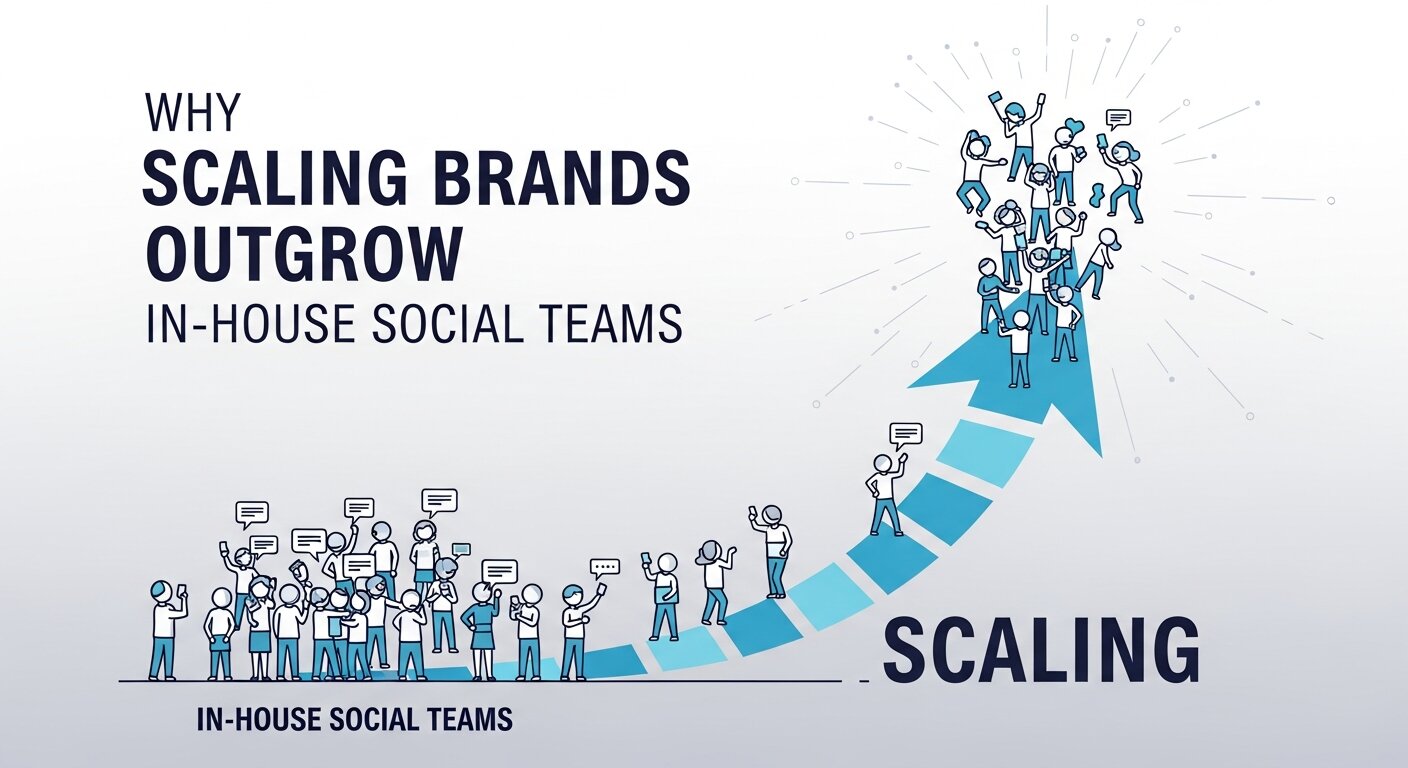 Many brands attempt to scale their social media efforts by simply asking their existing marketing team to do more. This rarely yields the desired results. Social media algorithms change constantly, and keeping up with the latest trends, video formats, and platform updates is a full-time job in itself. When you split an employee’s focus across email marketing, paid advertising, and social media, quality inevitably drops.
Another common hurdle is the lack of specialized tools. Professional social media management requires access to expensive enterprise software for social listening, analytics reporting, and content scheduling. Agencies invest heavily in these tools, spreading the cost across multiple clients. For a single scaling brand, purchasing and learning how to use all this software can be a massive drain on resources and budget.
Creative burnout is also a major factor. Generating fresh, engaging ideas day after day is exhausting. An agency environment brings a team of diverse creatives—copywriters, graphic designers, video editors, and strategists—who collaborate to produce dynamic content. This collective brainpower ensures your brand avoids repetitive messaging and stays culturally relevant.
Core Components of a High-Performing Social Strategy
To truly understand the value of professional social media management, it helps to break down the specific components that go into a winning strategy. When an agency takes the reins, they implement a structured framework designed to maximize your return on investment.
Deep Audience Research and Persona Development
Before a single piece of content is created, agency professionals spend time getting to know your ideal customers. They build detailed buyer personas that go far beyond basic demographics. They look at psychographics, analyzing what your audience values, their pain points, and the type of content they naturally share with their peers. This foundational work guarantees that every post speaks directly to the people most likely to convert into loyal customers.
High-Quality Content Creation and Curation
Visual and written content must stop users from scrolling past your posts. A professional management team produces a mix of original graphics, high-quality video content, and compelling copywriting tailored to each specific platform. They understand that a video formatted for TikTok requires a vastly different tone and editing style than a thought-leadership article shared on LinkedIn.
Proactive Community Engagement
Building a brand is about building relationships. Agency-level management involves actively interacting with your audience. This means responding to comments promptly, participating in relevant industry conversations, and acknowledging user-generated content. By making your followers feel seen and valued, you build an army of brand loyalists who will defend and promote your business organically.
Continuous Analytics and Iteration
Data is the lifeblood of successful social media management. Professionals do not rely on guesswork; they track everything. They analyze which types of posts generate the most website traffic, what time of day your audience is most active, and which campaigns drive the highest return on ad spend. This data is compiled into clear, actionable reports that guide future strategy. If a particular approach isn’t working, the team pivots quickly, minimizing wasted resources and maximizing results.
How SanMo CA Elevates Your Digital Presence
Finding the right partner to handle your social media is a critical decision. You need a team that understands the unique challenges of scaling a business and possesses the technical expertise to drive real results. SanMo CA provides comprehensive social media management designed specifically for growing brands.
Our approach goes far beyond simply scheduling posts. At SanMo CA, we embed ourselves in your brand’s culture and business goals. We conduct exhaustive industry research to ensure your voice stands out in a crowded digital marketplace. Our team of creatives, analysts, and community managers works in unison to build campaigns that capture attention and drive meaningful action.
We also prioritize transparency. With SanMo CA, you never have to wonder what your social media investment is actually achieving. We provide detailed performance metrics and regular strategy sessions, keeping your leadership team informed and confident in the direction of your digital growth.
Strategic Content Planning Framework
A well-structured content planning framework is the backbone of successful agency-level social media management. Instead of posting randomly, brands follow a strategic system that aligns content with business goals, audience behavior, and seasonal trends. This framework includes monthly and weekly content calendars, ensuring consistency across all platforms. Agencies analyze peak engagement times, competitor strategies, and platform-specific algorithms to determine the best posting structure. Every content piece is designed with a purpose, whether it is driving traffic, increasing engagement, or building brand awareness. This systematic approach reduces guesswork and increases efficiency. It also ensures that content remains fresh, relevant, and aligned with evolving audience expectations, helping brands maintain a strong and consistent digital presence over time.
Integration of Paid and Organic Growth
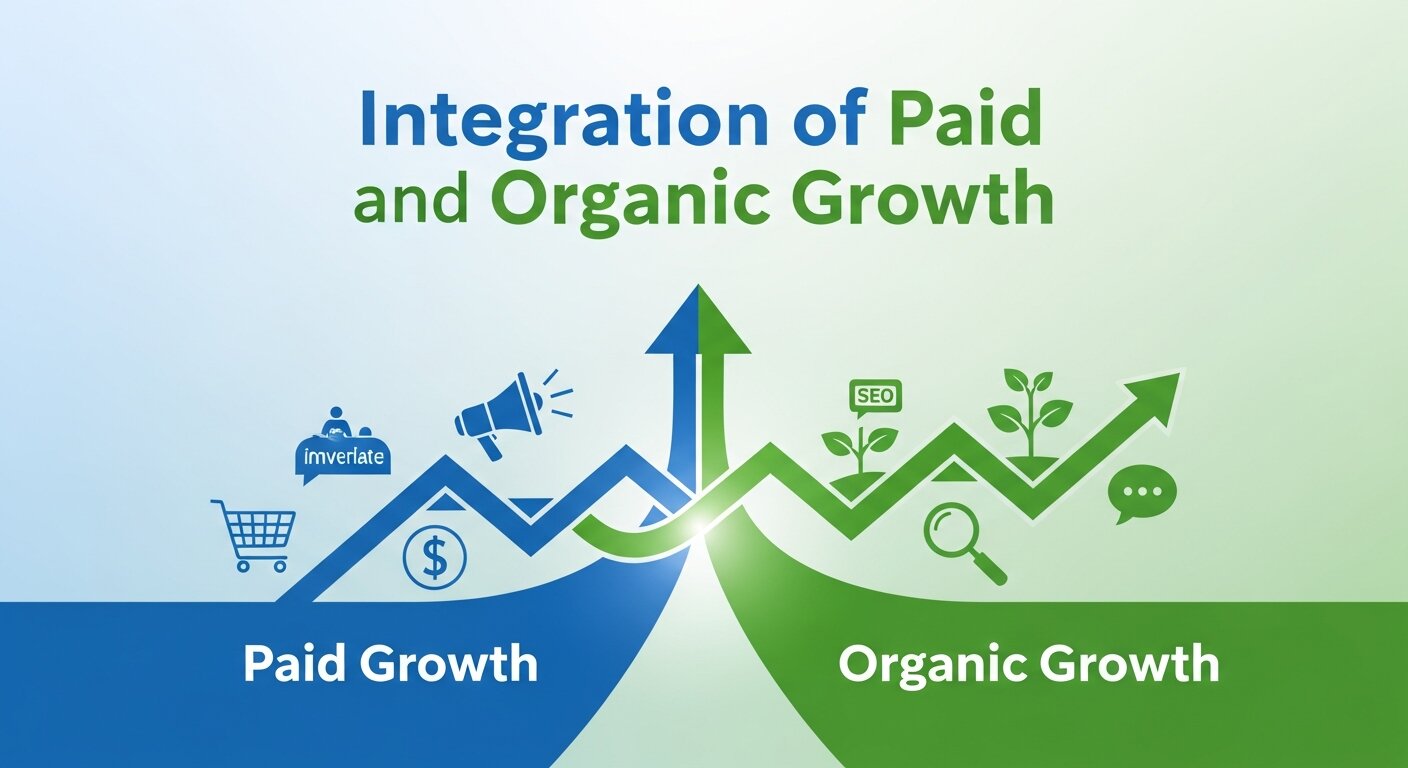 A powerful social media strategy combines both organic content and paid advertising to maximize results. Organic efforts focus on building trust, engagement, and long-term community relationships, while paid campaigns accelerate reach and conversions. Agencies carefully integrate both approaches to create a balanced growth ecosystem. For example, high-performing organic posts are often boosted with paid budgets to extend visibility. Similarly, insights from paid campaigns help refine organic content strategies. This synergy ensures that every marketing dollar is used efficiently. Instead of treating paid and organic as separate channels, agencies merge them into one unified strategy. This leads to faster audience growth, improved targeting accuracy, and a stronger overall return on investment for scaling businesses.
Scalable Brand Storytelling Techniques
Brand storytelling becomes even more important as a business scales, because audiences need emotional connection, not just product information. Agencies develop scalable storytelling systems that maintain consistency while adapting to different platforms. This includes defining a strong brand narrative, tone of voice, and visual identity that can be applied across all content formats. Whether it is a short-form video, carousel post, or blog snippet, the core story remains consistent. Advanced storytelling also involves highlighting customer experiences, behind-the-scenes content, and real-world impact. This builds authenticity and trust. As the audience grows, storytelling ensures the brand does not lose its identity. Instead, it evolves into a recognizable voice that resonates deeply across diverse audience segments.
Online Reputation and Crisis Management
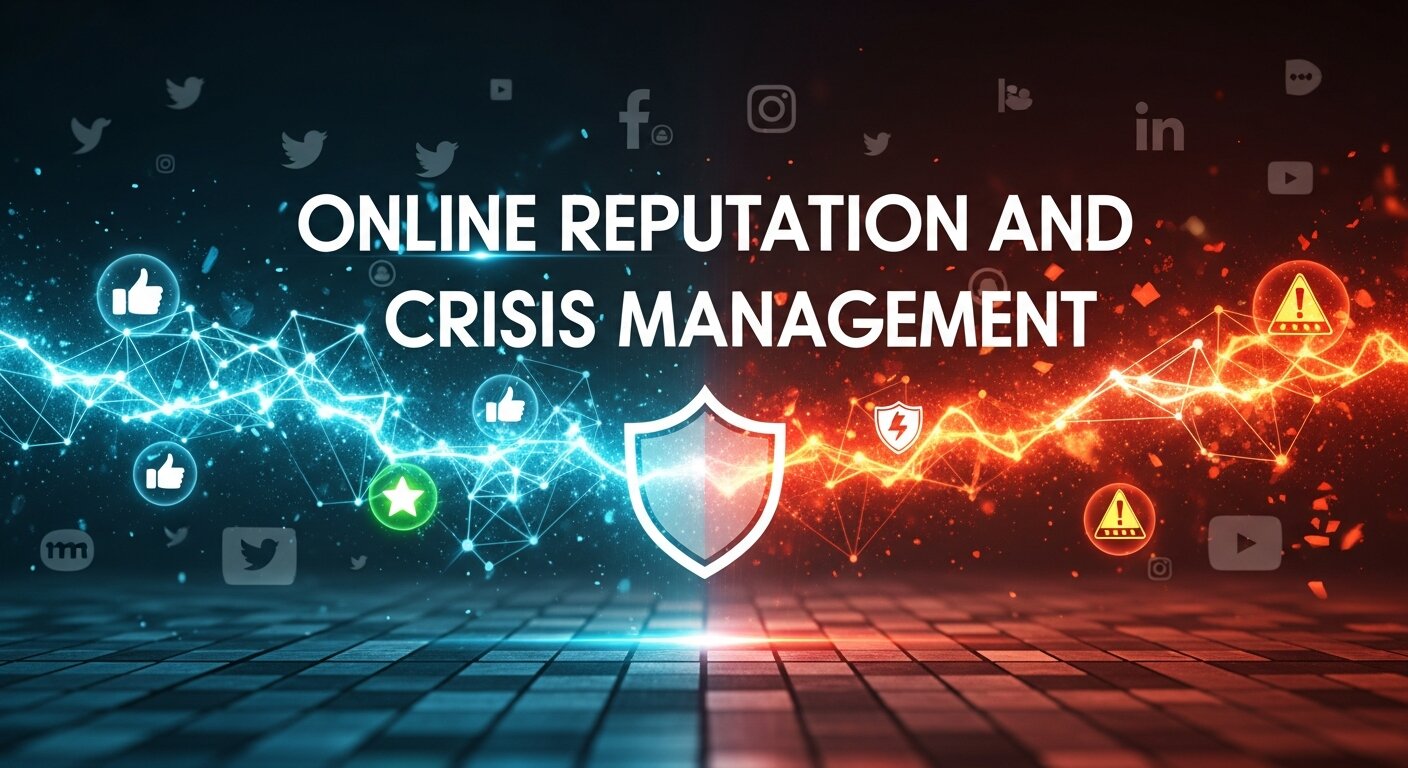 As a brand grows, its visibility increases—and so does the risk of negative feedback or public criticism. Effective social media management includes proactive reputation monitoring and crisis response strategies. Agencies continuously track brand mentions, reviews, and online discussions to identify potential issues early. If a crisis arises, having a structured response plan is crucial. This includes timely communication, transparent messaging, and corrective action when needed. Instead of reacting emotionally, agencies rely on data and communication protocols to manage situations professionally. Proper crisis management not only protects brand reputation but can also strengthen audience trust when handled correctly. Over time, this builds credibility, showing that the brand is responsible, responsive, and committed to maintaining customer trust at all times.
Influencer and Partnership Expansion Strategy
Influencer marketing plays a major role in expanding brand reach and credibility. Agencies carefully select influencers whose audience aligns with the brand’s target market, ensuring authentic partnerships rather than random collaborations. These relationships are built strategically, focusing on long-term value instead of one-time promotions. Influencers help brands access niche communities, generate trust, and increase engagement in a more organic way. Agencies also manage contracts, content guidelines, and performance tracking to ensure accountability. Beyond influencers, strategic partnerships with complementary brands can further amplify visibility. This combined approach allows businesses to tap into new audiences without relying solely on paid ads. When executed properly, influencer and partnership strategies become a powerful driver of scalable brand growth.
Performance Analytics and Growth Forecasting
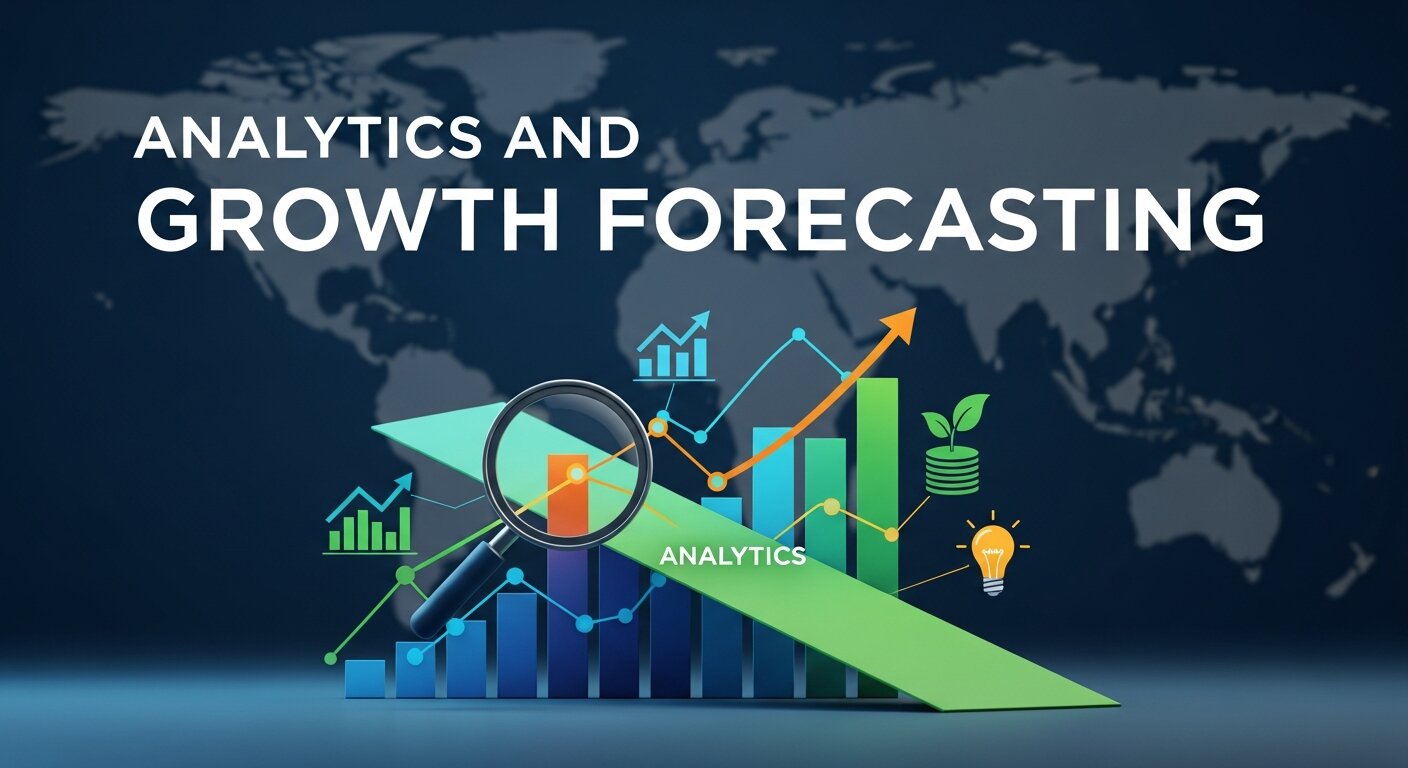 Data-driven decision making is essential for scaling any social media strategy. Agencies use advanced analytics tools to track engagement rates, conversion metrics, audience demographics, and content performance. This data is not just collected—it is analyzed to predict future trends and optimize strategies. Growth forecasting helps brands understand what results to expect based on current performance patterns. For example, agencies can estimate follower growth, website traffic increases, and campaign ROI over time. Regular reporting ensures transparency and helps businesses make informed decisions. If a strategy underperforms, data highlights the issue quickly, allowing for fast adjustments. This continuous feedback loop ensures that social media efforts remain efficient, scalable, and aligned with long-term business objectives, reducing wasted effort and maximizing impact.
Frequently Asked Questions (FAQ)
What is the difference between social media marketing and social media management?
Social media marketing generally refers to paid advertising campaigns designed to generate immediate leads or sales. Social media management is a broader term that encompasses organic content creation, community building, profile optimization, and brand awareness efforts. Effective management creates a strong foundation that makes paid marketing much more successful.
How long does it take to see results from professional social media management?
Organic social media growth is a long-term strategy. While you may see an immediate improvement in content quality and audience engagement, substantial increases in follower count and website traffic typically take three to six months to materialize. Consistency and data-driven iteration are the keys to lasting success.
Will an agency be able to capture my brand’s unique voice?
Yes. A reputable agency like SanMo CA spends a significant amount of time during the onboarding process learning your brand guidelines, tone of voice, and visual identity. We review your past content, interview key stakeholders, and create a comprehensive style guide before publishing anything on your behalf.
Does my brand need to be active on every social media platform?
No. It is far more effective to have a dominant presence on two or three platforms where your target audience actually spends their time, rather than spreading your resources thin across every available network. A professional management team will analyze your audience and recommend the most effective platforms for your specific business.
Take the Next Step Toward Sustainable Brand Growth
Scaling your brand requires stepping away from the daily grind of content creation and focusing your energy on high-level business strategy. Entrusting your online presence to a dedicated team ensures that your digital footprint grows in tandem with your revenue.
Proper social media management is an investment in your company’s long-term viability and customer relationships. Stop leaving your online reputation to chance and start leveraging the power of expert strategy, premium content, and data-backed insights. Reach out to SanMo CA today to discuss how we can build a customized social media strategy that accelerates your growth and solidifies your position in the market.