Building a software-as-a-service (SaaS) business requires more than just a brilliant idea. It demands a deep understanding of your target market, a rock-solid technical foundation, and an ongoing commitment to user satisfaction. Many startups rush into the development phase without a clear roadmap, leading to wasted resources and products that miss the mark.
Success in the software industry hinges on careful planning and execution. You need to align your business goals with the technical realities of cloud-based software. This involves making critical decisions about architecture, user experience, and market fit long before the first line of code is written.
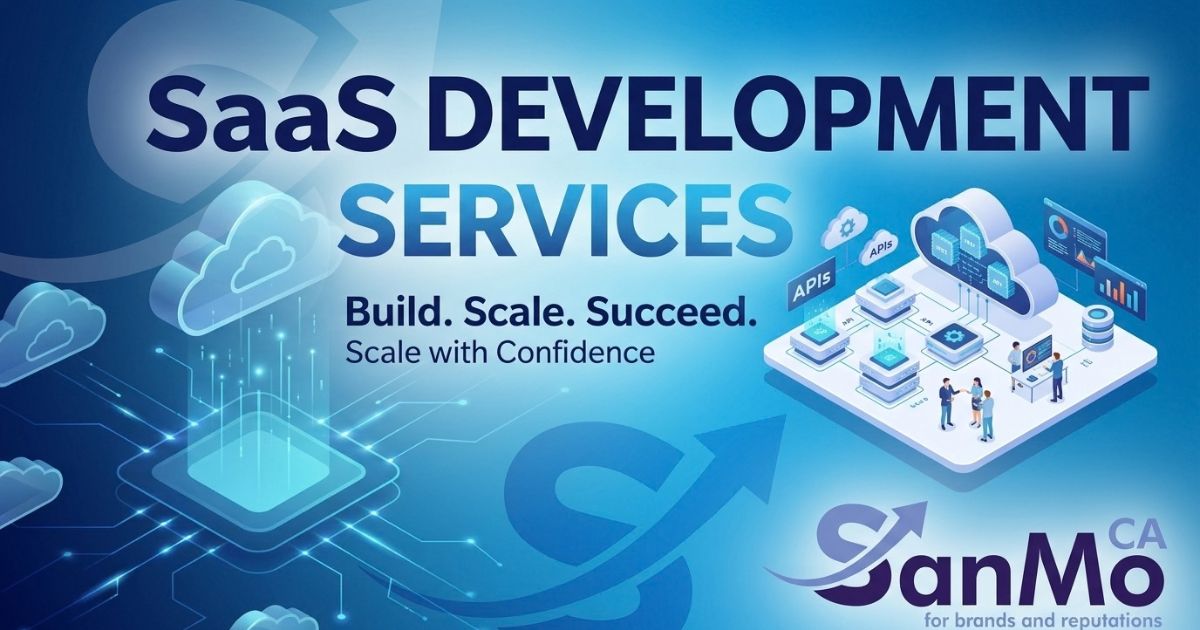
This guide outlines actionable strategies to help you navigate the complexities of software creation. We will explore how to validate your ideas, choose the right technology stack, and scale your operations effectively. You will also discover how partnering with top-tier SaaS development services, like those offered by SanMo CA, can provide the technical expertise needed to turn your vision into a thriving reality.
The Foundation of a Strong SaaS Product
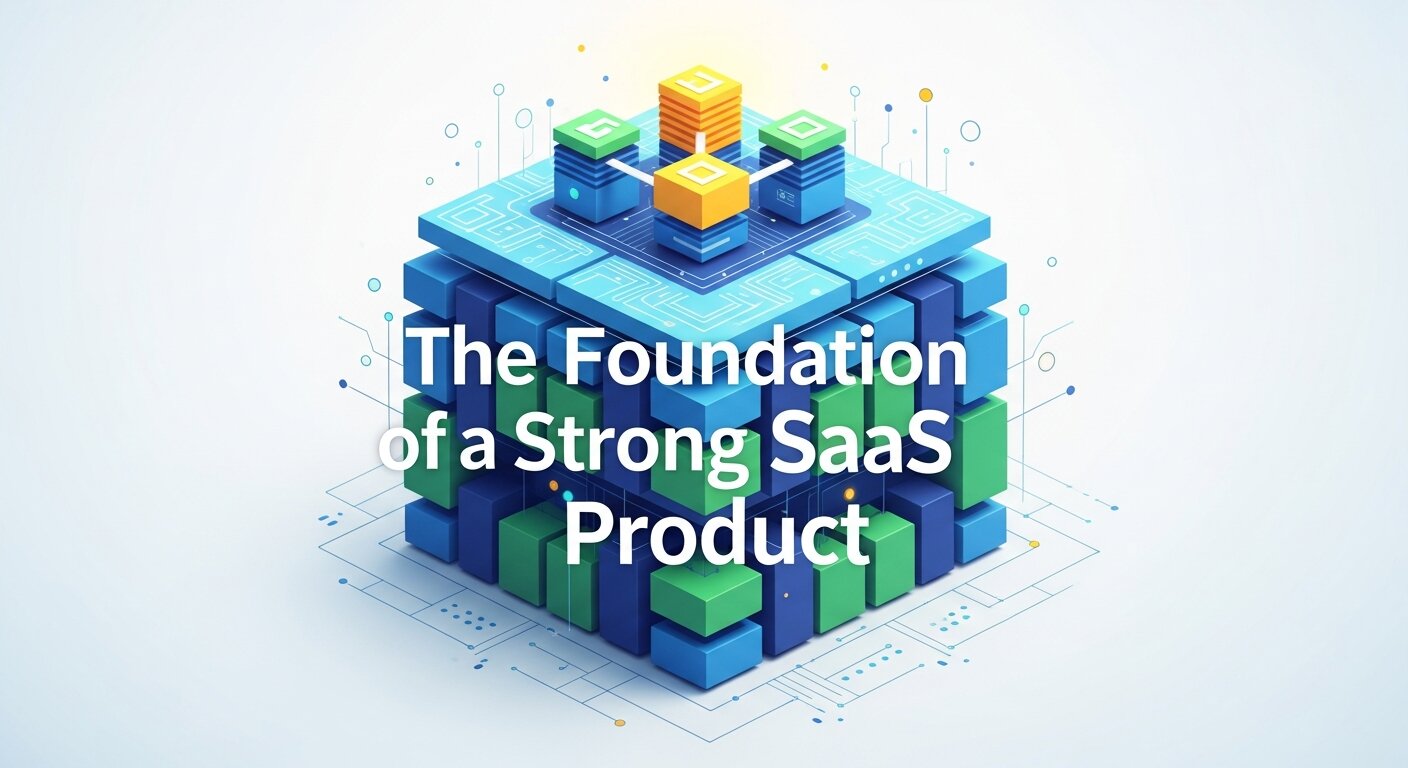 Every successful application starts with a foundation built on real user needs. Skipping this critical step often results in products that struggle to gain traction.
Identifying a Real Market Need
Your software must solve a specific, painful problem for a well-defined audience. Conduct extensive market research to understand the daily challenges your potential customers face. Talk to them directly through interviews and surveys. Find out what tools they currently use and where those tools fall short.
A deep understanding of customer pain points allows you to design features that provide immediate value. When your software directly addresses a frustrating workflow or a costly inefficiency, selling it becomes significantly easier.
Validating Your Idea Early
Before investing heavily in full-scale development, you must validate your concept. Build a Minimum Viable Product (MVP) that includes only the core features necessary to solve the primary problem. Release this MVP to a small group of early adopters and gather their feedback.
This early testing phase helps you confirm that people are actually willing to pay for your solution. It also highlights areas for improvement before you scale your marketing efforts. Listening to early users ensures you build exactly what the market demands.
Choosing the Right SaaS Development Services
Building scalable software requires specialized technical knowledge. While some companies choose to build an in-house team, many find that partnering with external experts accelerates their time to market and reduces overall costs.
Why Technical Expertise Matters
Cloud-based applications have unique technical requirements. They must handle multiple users simultaneously, keep data secure, and remain operational around the clock. Developing this kind of infrastructure from scratch is complex and time-consuming.
Professional SaaS development services bring a wealth of experience to your project. They understand the best practices for cloud architecture, database management, and API integration. This expertise prevents costly mistakes and ensures your software is built to handle future growth.
Partnering with SanMo CA
When selecting a development partner, you need a team that aligns with your business goals. SanMo CA offers comprehensive SaaS development services designed to support startups and established businesses alike. Our team of experienced engineers and designers works closely with you to understand your vision and deliver a product that exceeds your expectations.
By leveraging the expertise of SanMo CA, you gain access to the latest technologies and development methodologies. We handle the technical heavy lifting, allowing you to focus on marketing, sales, and growing your customer base.
Core Strategies for SaaS Success
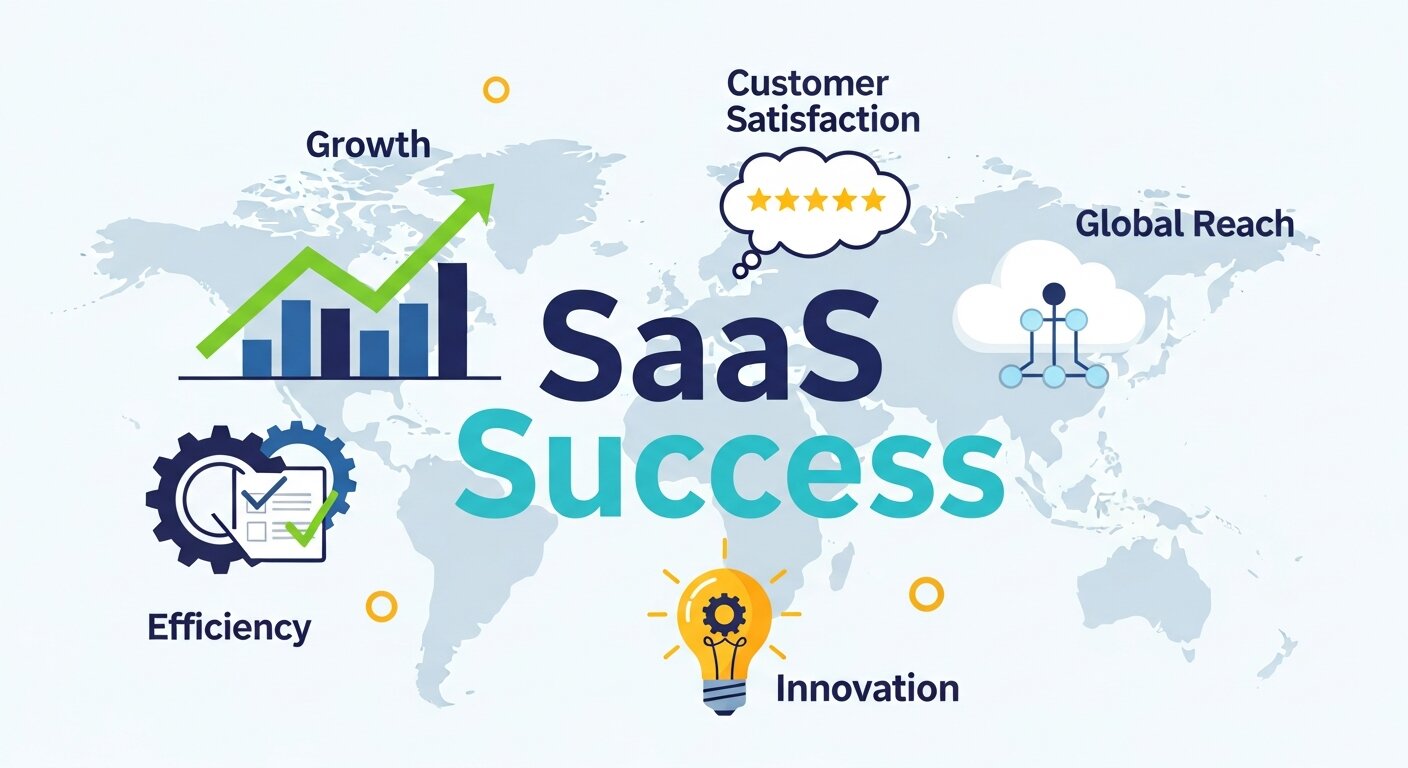 Once your foundation is set and you have the right technical team in place, you must focus on the core elements that drive user adoption and retention.
Prioritizing User Experience (UX)
A clunky, confusing interface will drive users away, regardless of how powerful your software is. User experience should be a top priority throughout the entire development process. Design intuitive navigation, clear visual hierarchies, and frictionless onboarding workflows.
Conduct usability testing regularly to identify areas where users get stuck. Make incremental improvements based on this feedback. A seamless user experience not only reduces customer churn but also turns your users into vocal advocates for your product.
Scalable Architecture from Day One
Your software must be able to grow alongside your business. If your application crashes when user traffic spikes, you risk losing credibility and revenue. Build your software on a scalable cloud infrastructure using microservices or serverless architectures.
Top-tier SaaS development services prioritize scalability during the initial planning phases. This forward-thinking approach ensures that your application can handle increased data volume and user interactions without requiring a complete rewrite down the road.
Robust Security Measures
Data breaches can destroy a software company’s reputation overnight. You must implement rigorous security protocols to protect your customers’ sensitive information. This includes encrypting data at rest and in transit, implementing multi-factor authentication, and conducting regular security audits.
Compliance with industry standards, such as GDPR or HIPAA, is often mandatory depending on your target market. Work closely with your development team to ensure all necessary security and compliance measures are woven into the fabric of your application.
Navigating the Development Lifecycle
Building software is not a linear process. It requires flexibility, continuous testing, and a commitment to rapid iteration.
Embracing the Agile Methodology
Agile development breaks the project into short, manageable sprints. At the end of each sprint, the team delivers a working piece of software. This approach allows you to review progress regularly and make adjustments based on new information or changing market conditions.
Agile promotes collaboration between developers, designers, and business stakeholders. It ensures that everyone remains aligned on the product vision and that the final application meets the actual needs of the users.
Continuous Testing and Deployment
Bugs and performance issues are inevitable in software development. To minimize their impact, implement automated testing throughout the development lifecycle. This allows developers to catch errors early, before they reach production.
Continuous integration and continuous deployment (CI/CD) pipelines automate the process of releasing new code. This enables you to roll out updates, fix bugs, and introduce new features quickly and reliably. Rapid iteration keeps your product competitive and shows your users that you are actively improving the service.
Post-Launch Growth Tactics
Launching your software is only the beginning. Sustained success requires a relentless focus on customer acquisition and retention.
Data-Driven Decision Making
Implement robust analytics to track how users interact with your application. Monitor key metrics such as daily active users, feature adoption rates, and customer churn. This data provides objective insights into what is working and what needs improvement.
Use these insights to prioritize your product roadmap. If data shows that a particular feature is rarely used, you can either improve it or remove it entirely. Data-driven decisions eliminate guesswork and ensure you allocate resources effectively.
Customer Retention Strategies
Acquiring a new customer is significantly more expensive than retaining an existing one. Focus heavily on customer success initiatives. Provide excellent support, create comprehensive documentation, and proactively reach out to users who might be struggling.
Regularly communicate product updates and value additions to your user base. Consider implementing a loyalty program or offering exclusive features to long-term subscribers. Happy customers renew their subscriptions and refer their peers, fueling organic growth for your business.
Pricing Models for SaaS Success
Choosing the right pricing model is critical for the long-term success of your SaaS business. Your pricing strategy should align with the value your product delivers while remaining competitive in the market. Common models include subscription-based pricing, freemium plans, and tiered packages. Each approach has its advantages depending on your target audience and product complexity. Conduct market research to understand what customers are willing to pay and test different pricing structures over time. Flexibility is key, as your pricing may evolve as your product grows. A well-optimized pricing model not only drives revenue but also improves customer acquisition and retention rates.
Building a Strong Onboarding Experience
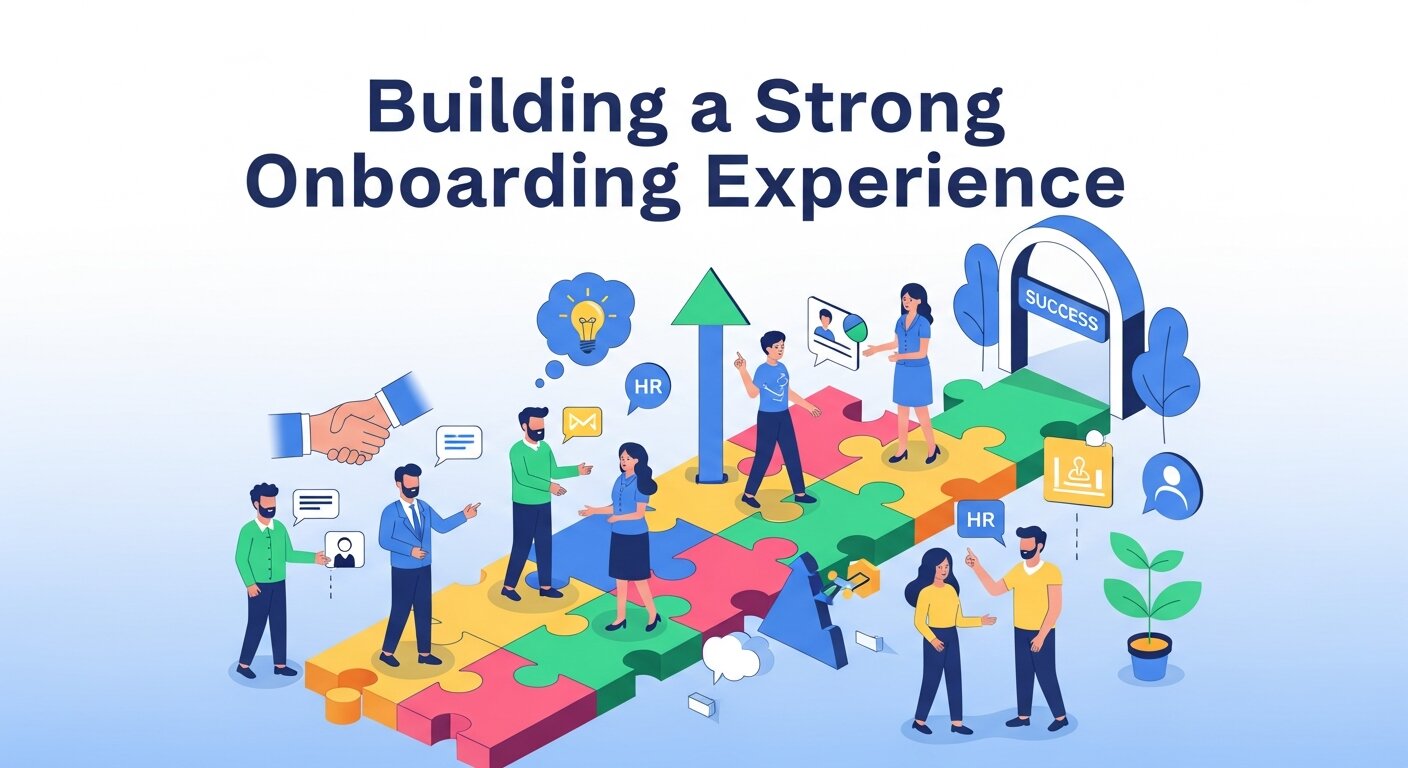 First impressions matter, especially in SaaS products. A smooth onboarding experience helps users understand your platform quickly and reduces the chances of early churn. Your onboarding process should guide users step by step, highlighting key features and demonstrating immediate value. Interactive tutorials, tooltips, and walkthroughs can simplify complex functionalities. Avoid overwhelming users with too much information at once. Instead, focus on helping them achieve their first success milestone quickly. Collect feedback during onboarding to identify pain points and improve the process. A well-designed onboarding experience ensures users feel confident and engaged, increasing the likelihood of long-term retention.
Integrating Third-Party Tools and APIs
Modern SaaS platforms rarely operate in isolation. Integrating third-party tools and APIs enhances functionality and improves user experience. Whether it is payment gateways, CRM systems, or analytics tools, integrations allow your software to fit seamlessly into existing workflows. This added convenience increases the overall value of your product. However, choosing the right integrations requires careful planning. Ensure compatibility, security, and scalability before implementation. Regularly update and monitor integrations to prevent performance issues. By offering reliable and useful integrations, you position your SaaS product as a flexible and essential solution for your users’ daily operations.
Importance of Customer Support in SaaS
Customer support plays a vital role in the success of any SaaS business. Even the most well-designed software will encounter user questions and technical issues. Providing timely and effective support builds trust and strengthens customer relationships. Offer multiple support channels such as live chat, email, and knowledge bases to cater to different user preferences. Proactive support, such as sending helpful tips and updates, can further enhance user satisfaction. Train your support team to understand both the technical and user aspects of your product. Exceptional customer support not only resolves issues quickly but also contributes to higher retention and positive brand reputation.
Scaling Your SaaS Marketing Strategy
 A strong marketing strategy is essential for growing your SaaS business after launch. Focus on channels that deliver measurable results, such as content marketing, search engine optimization, and paid advertising. Create valuable content that addresses your audience’s pain points and positions your brand as an authority. Email marketing campaigns can nurture leads and keep existing users engaged. Additionally, leverage partnerships and affiliate programs to expand your reach. Continuously analyze your marketing performance to identify what works best. Scaling your marketing efforts strategically ensures steady growth and helps you attract a consistent stream of high-quality customers.
Frequently Asked Questions (FAQ)
What are SaaS development services?
SaaS development services encompass the entire process of creating cloud-based software applications. This includes ideation, user interface design, backend coding, cloud infrastructure setup, security implementation, and ongoing maintenance. Agencies providing these services help businesses build scalable and secure platforms.
How much does it cost to build a SaaS platform?
The cost varies wildly depending on the complexity of the features, the geographic location of your development team, and the necessary security compliance levels. A simple MVP might cost tens of thousands of dollars, while a complex, enterprise-grade application can require an investment in the hundreds of thousands.
Why should I hire an external agency like SanMo CA?
Hiring an external agency gives you immediate access to a complete team of specialized professionals. SanMo CA provides experts in cloud architecture, user experience design, and security. This eliminates the time and expense required to recruit, hire, and train an internal engineering team.
How long does it take to launch an MVP?
A well-defined Minimum Viable Product typically takes between three to six months to develop. This timeline depends heavily on the scope of the core features and the efficiency of the development process. Agile methodologies help accelerate this timeline by focusing purely on essential functionalities.
How do I ensure my software remains secure?
Security requires continuous effort. You must use modern encryption standards, run regular penetration tests, and keep all software dependencies updated. Partnering with experienced SaaS development services ensures that best practices for data protection and regulatory compliance are built into your platform from the beginning.
Ready to Transform Your SaaS Vision into Reality?
Building a software business is a complex journey, but you do not have to navigate it alone. By focusing on real market needs, prioritizing user experience, and establishing a scalable technical foundation, you set the stage for long-term success. The decisions you make during the early stages of planning will echo throughout the lifespan of your product.
Now is the time to take the next step. Review your product roadmap and identify areas where technical constraints might be holding you back. If you need expert guidance to bring your application to life, reach out to SanMo CA. Our comprehensive SaaS development services provide the engineering talent and strategic insight required to build robust, market-leading software. Contact us today to discuss your project and discover how we can help you accelerate your growth.