

Video has rapidly become the preferred medium for consuming information online. People watch billions of hours of content daily, seeking entertainment, education, and product reviews. Simply uploading a high-quality video is no longer enough to guarantee visibility. The platforms hosting these videos use complex algorithms to determine which content deserves the top spot in search results.
To break through the noise, creators and marketers need a dedicated strategy that goes beyond basic optimization. Advanced Video SEO provides the roadmap to ensure your content reaches its intended audience. By understanding how search engines crawl, index, and rank video material, you can position your brand directly in front of highly motivated viewers.
At SanMo CA, we specialize in helping businesses leverage these exact strategies. We know that visibility drives growth, and video search optimization is a vital component of a successful digital presence. This guide breaks down the technical and creative steps required to secure top rankings on both YouTube and Google.
The Mechanics of YouTube and Google Algorithms
 Search engines want to serve the most relevant and engaging content to their users. Understanding their underlying goals makes optimization much easier.
How YouTube Ranks Your Content
YouTube functions as the world’s second-largest search engine. Its primary goal is to keep viewers on the platform for as long as possible. The algorithm looks heavily at audience retention, click-through rates (CTR), and overall watch time. If your video successfully keeps people watching, YouTube will push it to more users through suggested videos and search results.
Google’s Video Indexing Rules
Google treats video slightly differently, often displaying video carousels directly on the primary search engine results page (SERP). Google relies heavily on the context surrounding the video. The text on the page where the video is embedded, the site’s overall authority, and specific technical indicators like schema markup all play a role in how Google understands and ranks your video file.
Pre-Production: Keyword Research and Intent
The foundation of Advanced Video SEO is laid before you even pick up a camera. Keyword research dictates the structure and topic of your content.
Finding High-Value Video Keywords
You need to target phrases that people actually type into search bars. Tools like Ahrefs, SEMrush, and YouTube’s own autocomplete feature offer valuable data on search volume and competition. Look for “video intent” keywords. These are terms that often trigger a video result on Google, such as “how to,” “tutorial,” or “review.”
Mapping Search Intent to Video Structure
Once you identify your target keywords, match your video’s structure to the user’s intent. If someone searches for a quick tutorial, do not spend five minutes discussing your company history. Get straight to the point. Script your videos to answer the viewer’s core question within the first thirty seconds. This early hook improves audience retention, sending positive ranking signals to the algorithms.
On-Page Optimization Strategies
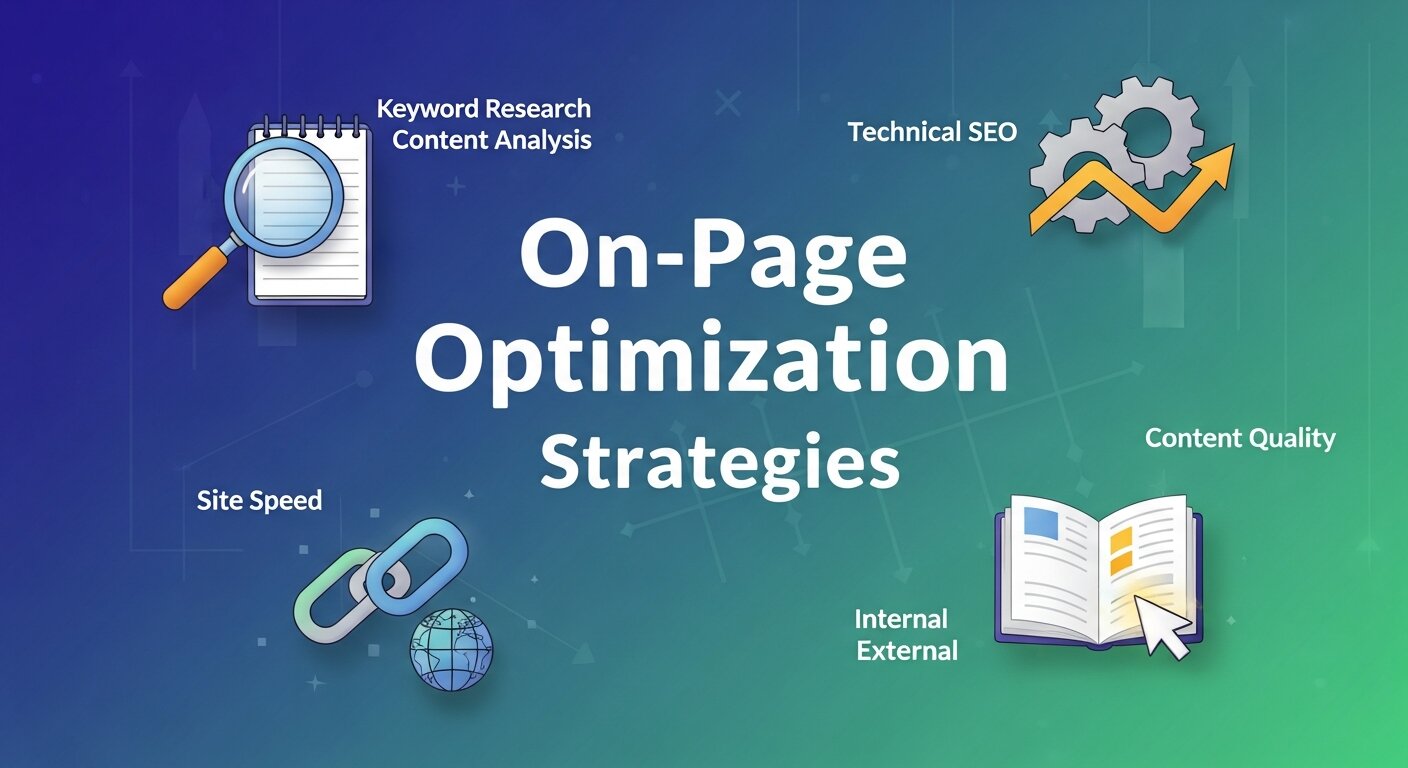 The information you attach to your video file gives search engines the necessary context to categorize your content.
Crafting Click-Worthy Titles and Thumbnails
Your title and thumbnail work together to drive clicks. A high click-through rate tells YouTube your content is highly relevant to the search query. Include your primary keyword naturally near the beginning of the title. Keep it under 60 characters so it does not get cut off on mobile devices. Pair the title with a custom, high-contrast thumbnail. Use bold text and expressive human faces to grab attention as users scroll.
Writing Keyword-Rich Descriptions
The video description is prime real estate for Advanced Video SEO. The first two lines are crucial because they appear in search results before the user clicks. Summarize the video’s value proposition immediately. Below the fold, write a comprehensive description of the video content. Aim for at least 250 words. Include secondary keywords, timestamps for easy navigation, and links to your website or other relevant resources.
Tags, Hashtags, and Categorization
While tags carry less weight than they did a decade ago, they still help YouTube understand the context of your video. Use your main keyword as the first tag, followed by variations and broad category terms. Additionally, include up to three relevant hashtags in your description. These hashtags will appear above your video title and create another avenue for discovery.
In-Video SEO Techniques
 Optimization happens inside the video content itself. Search engines can “listen” to your video to verify its relevance.
Closed Captions and Transcripts
Always upload a custom subtitle (SRT) file instead of relying on YouTube’s auto-generated captions. Search engines crawl these text files to understand the spoken content of your video. A highly accurate transcript ensures that every spoken keyword contributes to your ranking potential. Furthermore, closed captions make your content accessible to a broader audience, including those watching on mute.
Engagement Signals and Audience Retention
Encourage viewer interaction naturally throughout the video. Ask a specific question and prompt viewers to answer in the comments. Remind them to subscribe and like the video, but do so quickly so you do not disrupt the pacing. High engagement metrics signal to the algorithm that viewers find your content valuable. Structure your video with distinct visual changes, graphics, and b-roll footage to maintain viewer interest and boost overall watch time.
Off-Page and Technical Video SEO
 To conquer Google SERPs, you must apply traditional SEO principles to your video assets.
Embedding and Backlink Building
An isolated YouTube link will only get you so far. Embed your videos in relevant, high-quality blog posts on your own website. This keeps visitors on your site longer, improving your overall domain metrics. Additionally, build backlinks to the specific page hosting your video. Reach out to industry publications or partners and encourage them to embed your content in their articles.
Video Schema Markup for Websites
When embedding a video on your website, implement VideoObject schema markup. This code provides Google with explicit details about the video, such as the title, description, upload date, and thumbnail URL. Schema markup makes it significantly easier for Google to index your video and display it as a rich snippet in search results. For businesses like SanMo CA, this technical step is often the difference between page two obscurity and page one dominance.
Optimizing Video Upload Timing for Maximum Reach
Publishing your video at the right time can significantly impact its initial performance. Early engagement signals, such as views, likes, and comments, play a crucial role in how platforms evaluate and distribute your content. Research your audience’s behavior using analytics tools to identify when they are most active. Uploading during peak hours increases the chances of immediate interaction, which can boost your video’s visibility in recommendations and search results. Consistency also matters; maintaining a regular posting schedule helps build audience expectations and loyalty. Over time, this strategy strengthens your channel authority and improves overall SEO performance, making your videos more likely to rank higher.
Leveraging Playlists to Boost SEO Performance
Playlists are an often-overlooked feature that can enhance your video SEO strategy. By organizing your videos into keyword-rich playlists, you create a structured viewing experience that encourages users to watch multiple videos in one session. This increases overall watch time, which is a key ranking factor for platforms like YouTube. Additionally, playlists can rank independently in search results, providing another opportunity for visibility. Use descriptive titles and include relevant keywords in your playlist descriptions. Ensure that each video flows logically into the next, keeping viewers engaged. A well-optimized playlist strategy not only improves discoverability but also strengthens your channel’s authority in a specific niche.
Using End Screens and Cards Strategically
End screens and cards are powerful tools for increasing user engagement and session duration. These features allow you to guide viewers toward additional content, such as related videos, playlists, or your website. Strategically placing cards during key moments in your video can redirect attention without interrupting the viewing experience. End screens, displayed in the final seconds, are ideal for encouraging subscriptions or promoting your best-performing content. By keeping viewers within your content ecosystem, you improve session watch time, which positively influences algorithm rankings. Thoughtful use of these elements enhances user experience while reinforcing your overall video SEO strategy.
The Impact of Mobile Optimization on Video SEO
A significant portion of video consumption happens on mobile devices, making mobile optimization essential. Ensure your videos are easy to watch on smaller screens by using clear visuals, readable text overlays, and proper framing. Thumbnails should be simple yet eye-catching, as they must stand out even on compact displays. Additionally, consider vertical or square video formats for platforms where mobile viewing dominates. Fast loading times and a responsive design on your website also contribute to a better user experience when embedding videos. By prioritizing mobile-friendly content, you cater to a larger audience and improve engagement metrics, which ultimately supports higher rankings.
Repurposing Video Content for Multi-Platform SEO
Repurposing your video content across multiple platforms can amplify its reach and SEO value. A single video can be transformed into short clips for social media, blog embeds, or even podcasts. Each version targets a different audience segment while driving traffic back to the original source. This strategy increases content lifespan and generates multiple entry points for discovery. Additionally, embedding your video in blog posts with optimized text improves its chances of ranking on Google. By distributing your content strategically, you maximize visibility and create a cohesive digital presence that strengthens your overall SEO efforts.
Analyzing Competitor Video Strategies
Studying your competitors can reveal valuable insights into what works within your niche. Analyze their top-performing videos to understand patterns in titles, thumbnails, keywords, and content structure. Identify gaps in their content where you can provide better or more detailed information. Pay attention to engagement metrics such as views, comments, and likes to gauge audience preferences. This research helps you refine your own strategy and avoid common mistakes. By learning from both the successes and shortcomings of competitors, you can create more compelling and optimized videos that stand out in search results and attract a larger audience.
Frequently Asked Questions about Advanced Video SEO
How long does it take to see results from video SEO?
Search engine optimization is a long-term strategy. You might see a slight bump in views immediately after publishing a well-optimized video on YouTube, but ranking consistently for competitive terms usually takes anywhere from three to six months. Google requires time to crawl embedded videos and evaluate user engagement metrics.
Does video length impact search rankings?
Yes, video length can influence rankings, but not in a strictly linear way. YouTube favors videos that generate high total watch time. A highly engaging 15-minute video will generally outperform a 3-minute video because it keeps the user on the platform longer. However, if that 15-minute video is boring and viewers click away after 30 seconds, it will perform poorly. The length should match the complexity of the topic.
Should I host videos on my own site or use YouTube?
It depends on your primary goal. If you want to maximize brand awareness and reach a massive audience, YouTube is the best choice. If your main goal is driving traffic directly to your website to capture leads, utilizing a premium hosting service like Wistia or Vimeo and embedding the video on your site might be more effective. For most businesses, a hybrid approach works best.
Does the quality of video production affect SEO?
Search engine bots cannot watch a video to judge its artistic merit. However, low-quality video with poor audio will cause viewers to leave immediately. This drop in audience retention sends a strong negative signal to the algorithm. Good production quality indirectly boosts your Advanced Video SEO by keeping viewers engaged.
Start Ranking Your Videos Higher Today
Optimizing your video content requires a blend of technical precision and creative execution. By aligning your videos with search intent, optimizing your metadata, and driving meaningful engagement, you can build a sustainable source of high-quality traffic. The algorithms reward creators who prioritize the user experience and provide clear, contextual clues about their content.
If you are ready to stop guessing and start growing your channel, the team at SanMo CA is here to help. We build custom video strategies that increase visibility and drive measurable business results. Start implementing these optimization techniques today, and watch your video search presence expand.