Every dollar in your marketing budget carries a question: is this working? For too long, businesses answered that question with a shrug and a hope. Data-driven media buying changes that entirely—replacing guesswork with precision, and gut instinct with measurable strategy.
Media buying has evolved dramatically over the past decade. What was once a relationship-driven, negotiation-heavy process is now fueled by real-time data, audience analytics, and algorithmic decision-making. The result? Brands that embrace data-driven media buying services are seeing stronger returns, sharper targeting, and a clear competitive edge over those still relying on traditional methods.
This post breaks down exactly how data-driven media buying works, why it outperforms conventional approaches, and what it looks like in practice. Whether you’re evaluating your current media strategy or exploring media buying services for the first time, you’ll walk away with a clear picture of what’s possible.
What Are Media Buying Services?
Media buying services refer to the professional planning, purchasing, and optimization of advertising placements across paid channels. These channels include digital platforms like Google, Meta, YouTube, and programmatic networks, as well as traditional formats like TV, radio, and out-of-home advertising.
A media buying agency or service provider negotiates and secures ad placements on behalf of a brand, with the goal of reaching the right audience at the right time—and at the right price. When data sits at the center of that process, every decision becomes more deliberate and every campaign more effective.
At SanMo CA, data-driven media buying is at the core of how marketing performance is measured and improved. The approach combines audience insights, real-time performance data, and strategic channel allocation to ensure marketing spend delivers maximum impact.
The Problem With Traditional Media Buying
Traditional media buying relied heavily on demographic estimates, historical performance averages, and manual negotiations. Placements were booked weeks in advance, and performance feedback came slowly—often too late to make meaningful adjustments.
The core issue was waste. Broad audience targeting meant ads reached people who had no interest in the product. Fixed budgets couldn’t shift in response to what was working. And without granular performance data, it was nearly impossible to pinpoint which placements were driving results and which were draining the budget. Data-driven media buying solves these problems directly.
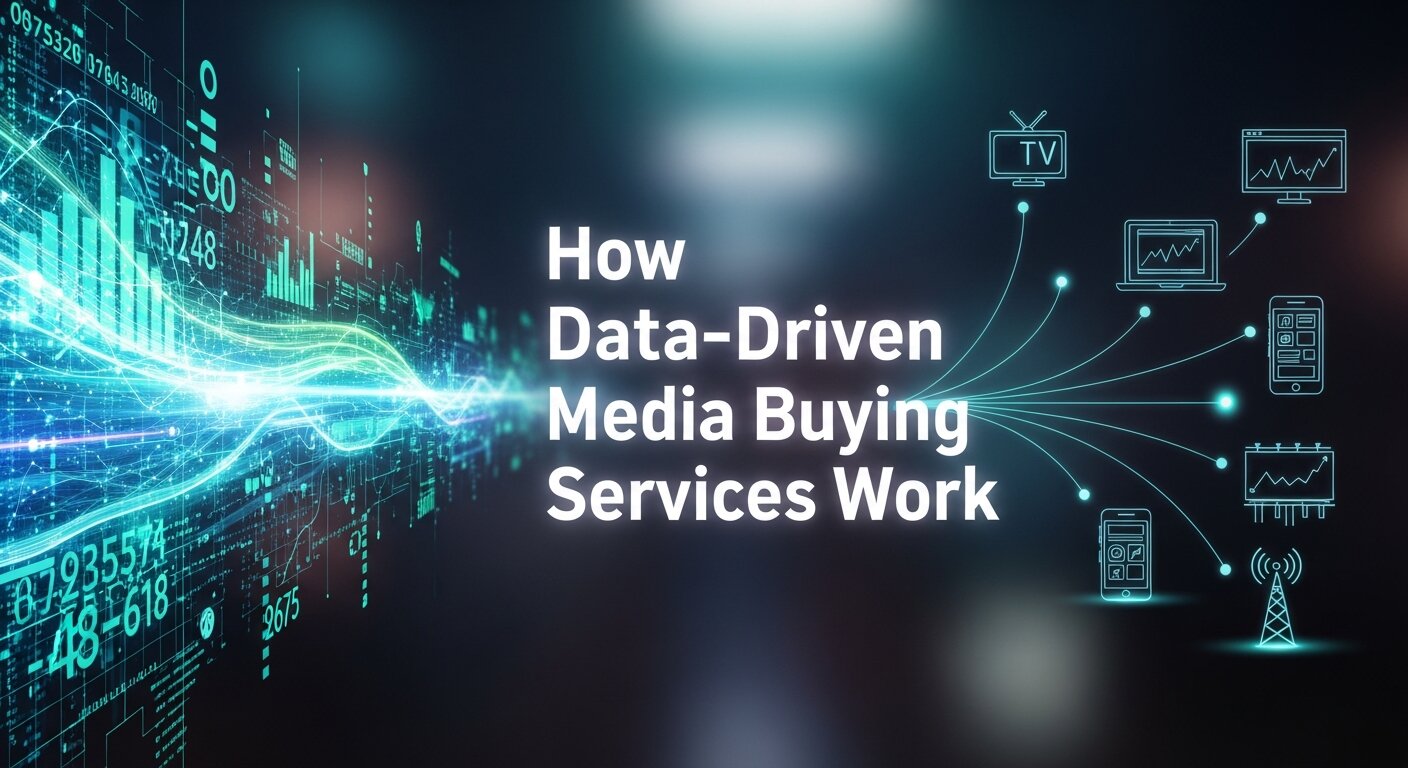
How Data-Driven Media Buying Services Work
Audience Research and Segmentation
The process starts before a single dollar is spent. Data-driven media buying begins with deep audience research—analyzing behavioral data, purchase intent signals, demographic profiles, and psychographic attributes to build detailed audience segments.
Rather than targeting “adults aged 25–54,” a data-driven approach might target “in-market homeowners who have engaged with home improvement content and are within a 30-mile radius of a service area.” That level of specificity dramatically increases the relevance of each impression.
Channel Selection and Budget Allocation
With audience segments defined, the next step is identifying which channels and placements are most likely to reach them effectively. This involves analyzing historical performance data, platform reach metrics, cost-per-click benchmarks, and competitive landscape data.
Budget allocation follows the data. Channels that consistently deliver strong returns receive a larger share of spend. Those that underperform get reduced or eliminated. This ongoing reallocation is one of the defining advantages of a data-driven media strategy—it ensures the budget always flows toward the highest-performing opportunities.
Real-Time Optimization
Unlike traditional media buying, where placements are locked in well in advance, data-driven campaigns are continuously monitored and adjusted. Performance metrics like click-through rates, conversion rates, cost per acquisition, and return on ad spend are tracked in real time.
When a campaign underdelivers, adjustments happen quickly—whether that means shifting budget, adjusting targeting parameters, testing new creative, or pausing underperforming placements. This agility is what separates data-driven media buying from legacy approaches.
Attribution and Reporting
Understanding what’s actually driving conversions is critical. Data-driven media buying services use multi-touch attribution models to trace the customer journey across channels and touchpoints. This gives marketers a clear picture of how different placements contribute to a sale or conversion—not just which one got the last click.
Reporting is transparent and tied to business outcomes, not just vanity metrics. Impressions and reach matter, but the ultimate measure is impact on pipeline, revenue, and return on investment.
Key Benefits of Data-Driven Media Buying Services
More Efficient Use of Marketing Budgets
Wasted ad spend is one of the most common frustrations in marketing. Data-driven media buying minimizes waste by ensuring ads are served to audiences most likely to convert, at times and in placements where engagement is highest. Budgets work harder because they’re guided by evidence rather than assumption.
Faster, More Informed Decision-Making
When performance data is available in real time, decisions can be made quickly and confidently. There’s no need to wait until the end of a campaign to find out what worked. Teams can identify winning combinations early, scale them, and cut losses before they compound.
Stronger Audience Targeting
Precision targeting is arguably the greatest advantage of modern media buying services. Data-driven campaigns can reach highly specific audience segments based on behavior, intent, location, and demographics—dramatically improving the relevance of every ad served.
Greater Accountability
Data-driven media buying is inherently accountable. Every dollar spent is tracked to performance outcomes. This transparency makes it easier to justify marketing investment, demonstrate ROI to stakeholders, and continuously improve campaign performance over time.
Competitive Advantage
Brands using data-driven media buying strategies consistently outpace those relying on traditional methods. They reach their audiences more efficiently, respond to market shifts faster, and extract more value from the same budget. Over time, the compounding effect of better data, smarter decisions, and continuous optimization creates a meaningful competitive gap.
What to Look for in a Media Buying Services Partner
 Not all media buying services are created equal. When evaluating a potential partner, consider the following:
- Data infrastructure: Does the agency have access to robust first-party and third-party data sources? Can they integrate with your existing analytics and CRM platforms?
- Transparency: Are they willing to provide clear, granular reporting on how your budget is being spent and what results are being achieved?
- Optimization cadence: How frequently do they review and adjust campaigns? Real-time monitoring is a baseline expectation in data-driven media buying.
- Attribution capability: Do they use multi-touch attribution models, or are they still reporting on last-click metrics alone?
- Proven results: Can they demonstrate a track record of improving return on ad spend for clients in relevant industries?
SanMo CA brings all of these capabilities to every client engagement. The focus is on measurable outcomes—building and executing media buying strategies that are grounded in data, refined through testing, and continuously optimized for performance.
How SanMo CA Approaches Data-Driven Media Buying
SanMo CA’s media buying services are built around a simple premise: every campaign decision should be backed by data. From initial audience research to post-campaign analysis, the process is designed to reduce waste, sharpen targeting, and maximize return on marketing investment.
The team begins each engagement by auditing existing campaign performance, identifying gaps and inefficiencies, and establishing clear benchmarks. From there, a data-informed media plan is developed and executed across the most relevant channels for the target audience.
Ongoing optimization is baked into the process. Performance data is reviewed continuously, and budget allocation shifts dynamically based on what’s delivering results. Clients receive clear, outcome-focused reporting that connects media performance directly to business goals.
Leveraging First-Party Data for Long-Term Advertising Success
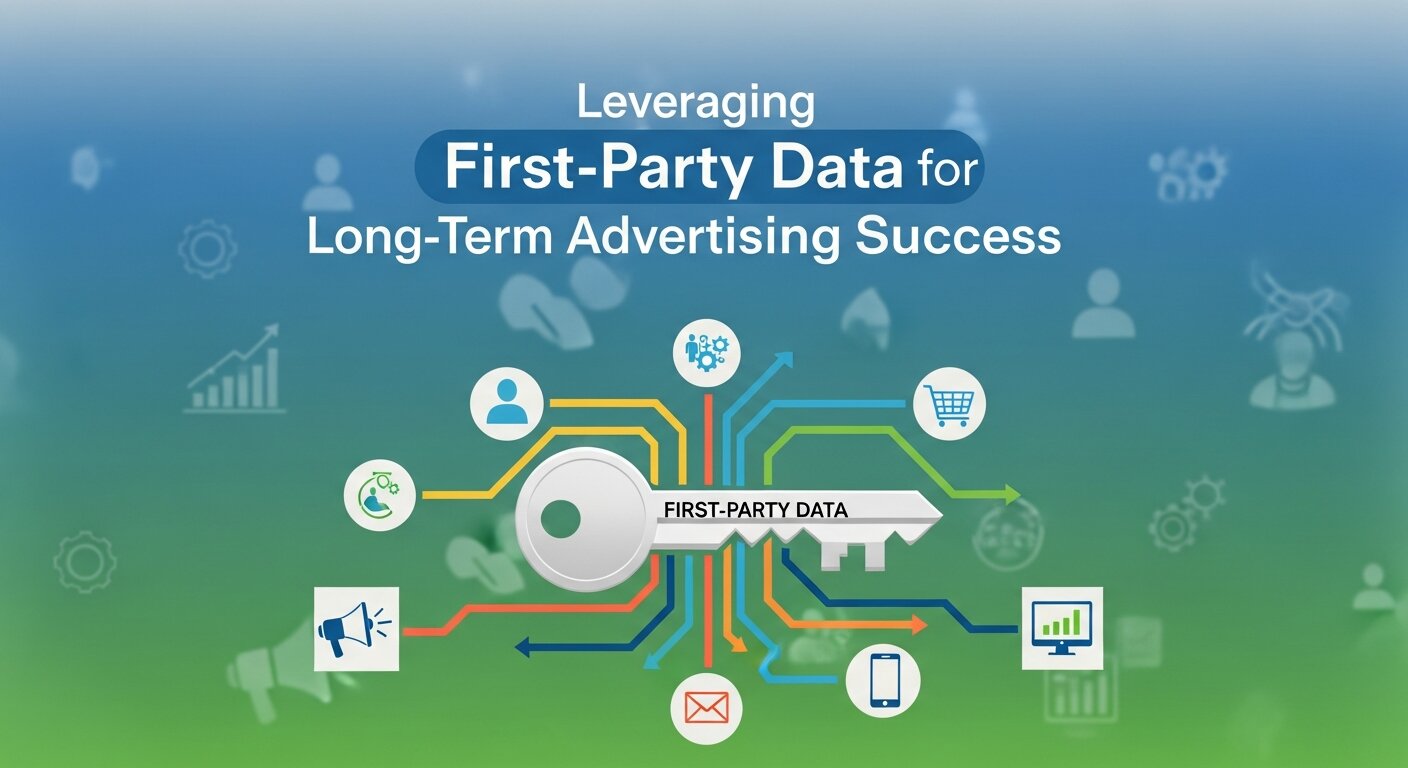 As privacy regulations become stricter and third-party cookies continue to disappear, first-party data has become one of the most valuable assets in modern advertising. Media buying services help businesses collect and organize customer data from their own websites, mobile apps, CRM systems, email campaigns, and purchase histories. This information allows advertisers to create highly relevant audience segments while maintaining compliance with evolving privacy standards. Instead of relying on broad assumptions, campaigns can target existing customers, returning visitors, or high-value prospects with personalized messaging. By building strategies around first-party data, businesses improve campaign accuracy, strengthen customer relationships, reduce acquisition costs, and create a sustainable competitive advantage that remains effective despite changes in the digital advertising landscape.
Creative Testing Makes Every Advertising Dollar Work Harder
Successful media buying isn’t only about placing advertisements in the right channels; it’s also about identifying which creative assets generate the strongest response. Data-driven media buying services continuously test different headlines, visuals, calls-to-action, ad formats, and landing pages to determine what resonates with specific audience segments. Through structured A/B testing and performance analysis, marketers can eliminate underperforming creatives while increasing investment in those delivering better engagement and conversions. This ongoing optimization ensures campaigns improve over time rather than remaining static. Businesses gain valuable customer insights, maximize return on advertising spend, and develop marketing assets backed by measurable performance instead of assumptions or personal preferences.
Cross-Channel Media Buying Creates a Consistent Customer Journey
Today’s consumers rarely convert after interacting with a single advertisement. They may discover a brand through social media, conduct research on search engines, watch product demonstrations on video platforms, and finally complete a purchase after receiving a remarketing ad. Professional media buying services coordinate campaigns across multiple channels to create a seamless customer experience throughout every stage of the buying journey. Consistent messaging, synchronized audience targeting, and unified campaign measurement allow businesses to maintain brand visibility without wasting budget on disconnected efforts. This integrated approach increases brand recognition, improves conversion rates, and provides a more complete understanding of how different marketing channels contribute to overall business growth.
Continuous Performance Analysis Drives Sustainable Growth
The most successful advertising strategies never remain unchanged for long. Consumer behavior, market competition, platform algorithms, and seasonal trends constantly influence campaign performance. Data-driven media buying services include ongoing performance analysis to identify emerging opportunities and address weaknesses before they affect results. Regular reviews of audience behavior, conversion patterns, bidding strategies, and campaign objectives enable businesses to refine their marketing approach with confidence. Instead of making decisions based on outdated reports, organizations benefit from continuous improvements that keep campaigns aligned with changing business goals. This commitment to ongoing optimization supports consistent growth, improves marketing efficiency, and helps businesses maintain a competitive advantage in an increasingly dynamic digital marketplace.
Frequently Asked Questions
What is the difference between media planning and media buying?
Media planning involves determining the best mix of channels, placements, and timing to reach a target audience effectively. Media buying is the process of actually purchasing those placements. The two functions work together, with planning setting the strategy and buying executing it.
How do data-driven media buying services improve ROI?
Data-driven media buying improves ROI by reducing wasted spend, improving audience targeting precision, enabling real-time campaign optimization, and using attribution modeling to identify which placements are actually driving conversions. The result is more efficient use of budget and stronger performance outcomes.
What types of businesses benefit most from media buying services?
Businesses of any size can benefit from professional media buying services, but they tend to deliver the greatest impact for companies with meaningful advertising budgets that span multiple channels. Brands looking to scale efficiently, enter new markets, or improve the performance of existing campaigns are particularly well-positioned to benefit.
How does real-time optimization work in media buying?
Real-time optimization involves continuously monitoring key performance metrics—such as click-through rate, cost per acquisition, and return on ad spend—and making adjustments to targeting, bidding, creative, or budget allocation based on live data. This ensures campaigns remain on track and spend is always directed toward the best-performing placements.
How do I know if my current media buying strategy is underperforming?
Common signs include high cost per acquisition relative to industry benchmarks, inconsistent or declining return on ad spend, poor audience targeting, and limited visibility into how budget is being allocated. A performance audit with a data-driven media buying partner can quickly identify gaps and opportunities for improvement.
What does SanMo CA offer in terms of media buying services?
SanMo CA provides end-to-end, data-driven media buying services that include audience research, channel strategy, campaign execution, real-time optimization, and performance reporting. The focus is on delivering measurable outcomes and maximizing return on marketing investment for every client.
Turning Data Into Marketing Performance
 The shift from intuition-based to data-driven media buying is one of the most impactful changes a marketing team can make. When every decision—from channel selection to creative testing to budget allocation—is informed by real performance data, campaigns become more efficient, more targeted, and more effective.
For businesses ready to stop guessing and start growing, data-driven media buying services offer a clear path forward. The brands winning in their markets aren’t spending more—they’re spending smarter.
SanMo CA specializes in helping businesses do exactly that. If your current media strategy isn’t delivering the results you need, it may be time to take a closer look at how your budget is actually being allocated—and what the data is telling you.