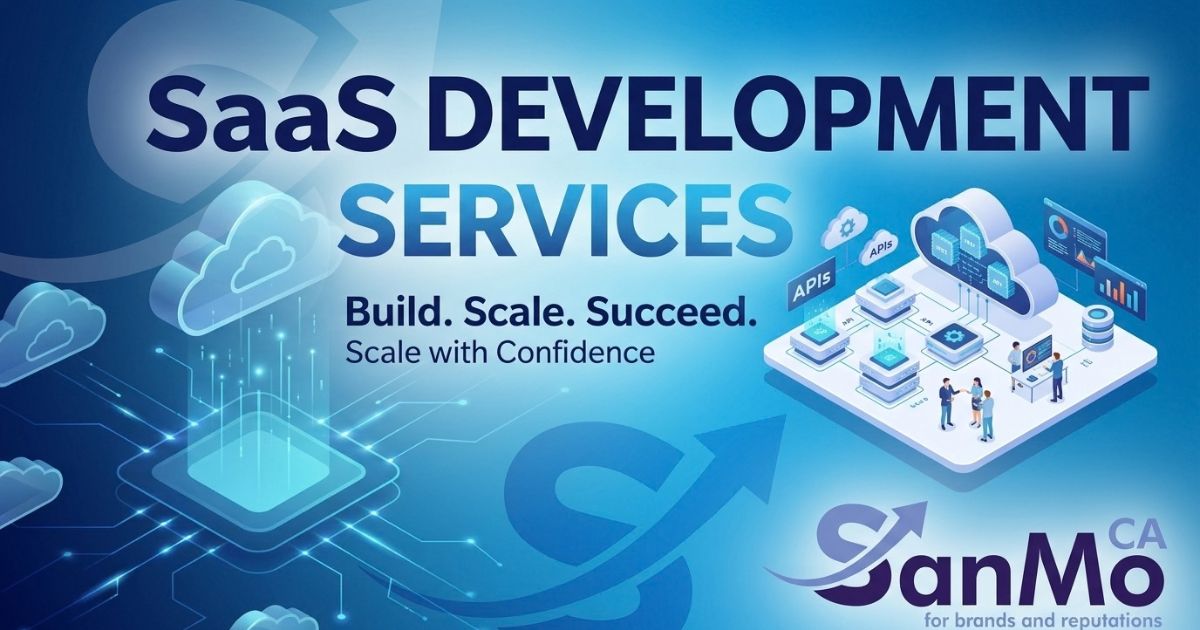
In today’s competitive digital market, businesses need technology that can adapt as their operations, customers, and market demands change. SaaS Development Services provide businesses with scalable software solutions that can be accessed through the cloud without requiring traditional software installation and maintenance. This approach allows companies to improve efficiency, support customers, and introduce new digital services more effectively.
For growing organizations, SaaS can become more than just a software delivery model. A well-designed SaaS platform can support automation, recurring revenue, customer engagement, data management, and long-term operational growth. With the right development strategy, businesses can build applications that evolve alongside their changing requirements.
SanMo CA provides technology-focused solutions designed to help businesses establish and strengthen their digital infrastructure. Professional SaaS development can help organizations transform business ideas into reliable, scalable, and user-focused software products that support sustainable growth.
What Are SaaS Development Services?
SaaS Development Services involve designing, developing, deploying, and maintaining software applications that are delivered through the internet. Instead of requiring users to install software locally, SaaS applications can generally be accessed through a web browser or compatible application.
A SaaS product may serve internal business teams, individual consumers, or other organizations. Examples include customer relationship management platforms, accounting software, project management systems, communication tools, marketing platforms, and industry-specific applications.
The development process typically considers application architecture, user experience, cloud infrastructure, database management, security, integrations, performance, and ongoing maintenance. These elements work together to create a software platform that can serve users efficiently as demand increases.
How SaaS Development Services Support Long-Term Growth
Building Scalable Software Infrastructure
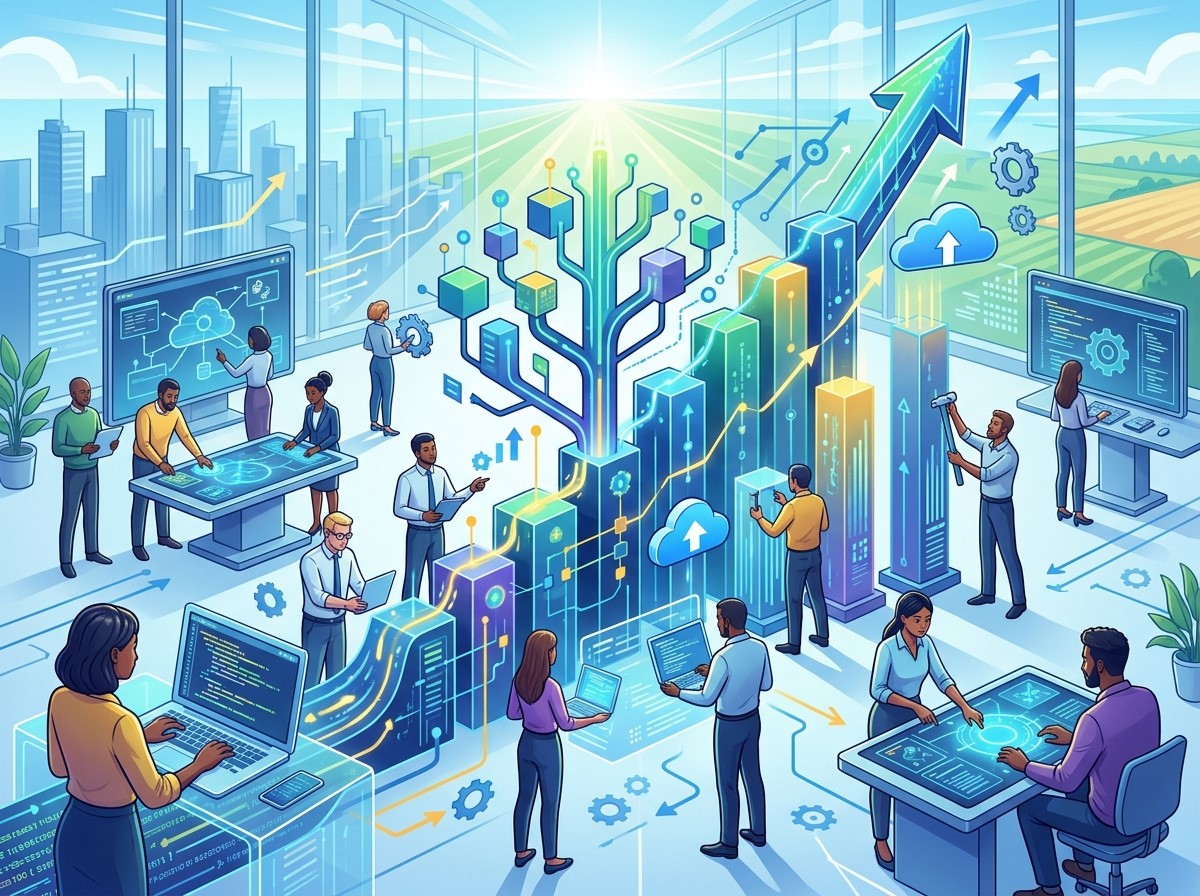
Scalability is one of the most important considerations for businesses planning long-term growth. A software platform that works for a small number of users may experience performance challenges when customer demand increases.
SaaS development allows businesses to create infrastructure that can be expanded as user numbers, transactions, and data volumes increase. Developers can design cloud-based architecture with scalability in mind, helping organizations accommodate growth without completely rebuilding their software environment.
This flexibility can be particularly valuable for startups and established companies entering new markets. Instead of investing in an entirely new platform every time requirements change, businesses can continue improving their existing SaaS infrastructure.
Improving Operational EffiSaaS Development Servicesciency
Long-term growth often depends on how efficiently a business can manage repetitive and time-consuming processes. SaaS applications can bring different operational activities into centralized digital environments.
For example, a customized SaaS platform can connect customer management, reporting, workflow automation, communication, and data processing within one system. Employees can spend less time switching between disconnected tools and more time focusing on activities that contribute to business development.
Automation can also reduce repetitive manual tasks. When routine processes are handled through software, organizations can establish more consistent workflows while reducing unnecessary administrative work.
Supporting Recurring Revenue Models
For many technology businesses, SaaS creates opportunities to develop recurring revenue models. Instead of relying entirely on one-time software purchases, companies can offer subscriptions based on features, usage, users, or service levels.
A recurring revenue structure can provide businesses with an ongoing relationship with customers. As customers continue using the platform, companies can introduce additional features, upgrades, integrations, or service plans based on evolving needs.
However, sustainable SaaS revenue depends on delivering continuous value. Businesses must maintain performance, security, usability, and customer support while regularly improving the product.
Enhancing Customer Experience Through SaaS
Creating User-Friendly Digital Experiences
Customer expectations continue to change as people become accustomed to convenient digital services. A SaaS platform must therefore provide a smooth experience from registration through regular usage.
Custom development allows businesses to design interfaces around their specific audiences rather than relying entirely on generic software. Navigation, dashboards, account management, notifications, and workflows can be structured around actual customer requirements. A simple and intuitive experience can make it easier for users to understand the platform and incorporate it into their daily activities.
Personalizing Customer Interactions
SaaS platforms can collect and organize customer data based on appropriate permissions and privacy practices. This information can help businesses understand how customers interact with their products.
Organizations can use relevant data to personalize dashboards, recommendations, notifications, and communication. When personalization is implemented responsibly, it can make software more relevant to different customer groups. This can also help businesses identify opportunities to improve customer retention and engagement over time.
SaaS Development and Business Automation
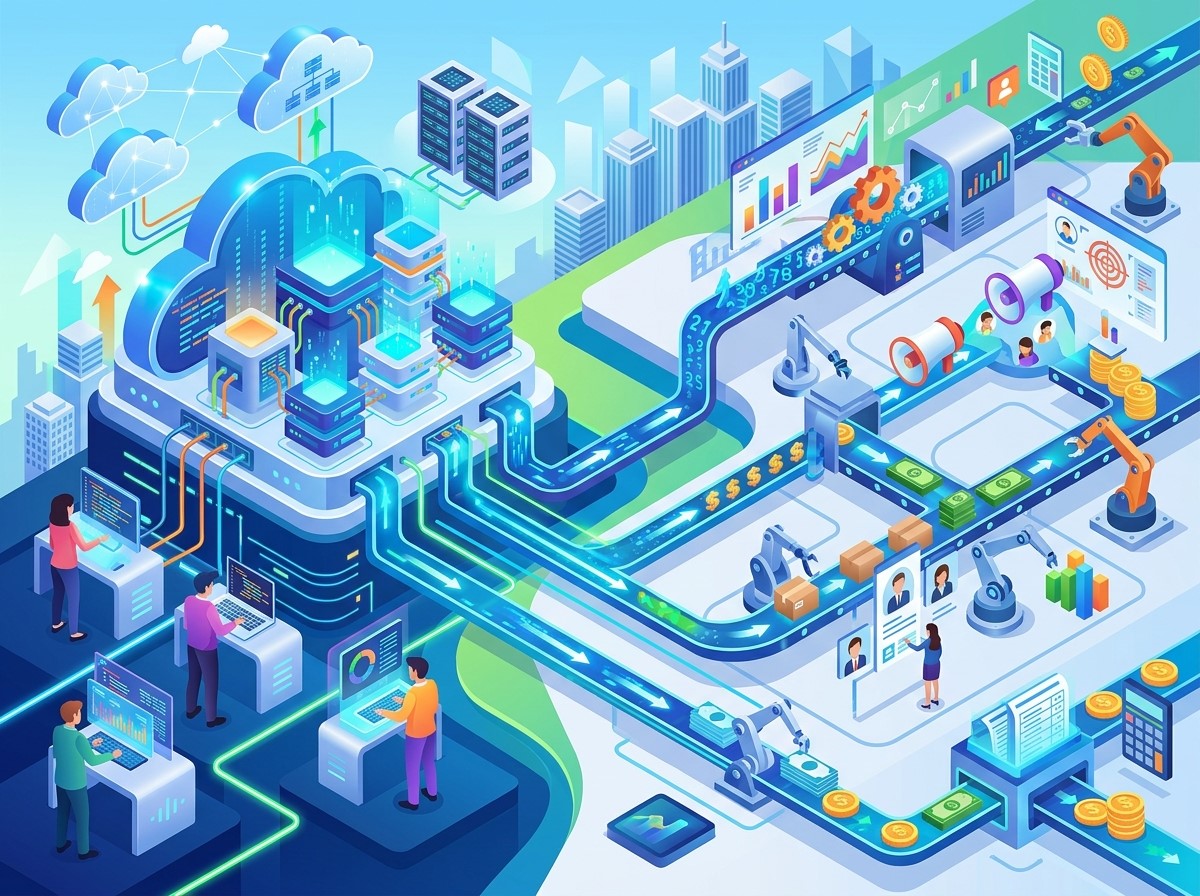 Automation is becoming increasingly important for businesses that want to improve productivity while managing growth. SaaS applications can automate workflows that would otherwise require repeated human intervention.
For example, software can automatically process certain requests, generate reports, send notifications, update records, or route tasks between departments. The exact automation capabilities depend on the business model and application requirements.
With a properly designed SaaS platform, automation can become part of the organization’s core workflow rather than an isolated feature. This can help businesses manage higher workloads without increasing operational complexity at the same rate.
Enabling Data-Driven Business Decisions
Data becomes increasingly valuable as an organization grows. However, collecting large amounts of information is not enough. Businesses also need systems that can organize and present data in useful ways.
SaaS applications can provide centralized dashboards, analytics, reporting tools, and data visualization features. These capabilities can help management teams monitor business activity and identify changes in customer behavior, operational performance, and product usage.
When reliable information is available through a centralized system, decision-makers can evaluate business activities more efficiently. This can support planning, product development, marketing strategies, and customer service improvements.
Supporting Integration With Other Business Tools
Businesses rarely rely on a single software application. They may use payment platforms, CRM systems, accounting tools, communication applications, analytics platforms, and marketing technologies simultaneously.
A modern SaaS platform can be designed with integration capabilities that allow it to communicate with other systems. APIs and third-party integrations can help synchronize relevant information and reduce unnecessary manual data entry.
For example, a SaaS application could integrate with payment processing, email communication, customer management, or analytics services. These connections can create a more unified technology ecosystem as the business expands.
Strengthening Security and Reliability
Security becomes increasingly important as SaaS platforms manage customer information, business records, and other sensitive data. A development strategy should therefore consider security from the beginning rather than treating it as an afterthought.
Professional SaaS development can incorporate authentication, authorization, secure data handling, encryption, monitoring, backups, and other appropriate security measures. The specific controls depend on the application’s purpose, data sensitivity, and regulatory requirements.
Reliability is equally important. Customers expect software to remain available and perform consistently. Cloud infrastructure, monitoring, testing, maintenance, and performance optimization can contribute to a more dependable SaaS experience.
Why Custom SaaS Development Can Support Business Growth
Aligning Technology With Business Requirements
Off-the-shelf software can be useful for common business activities, but it may not always match a company’s specific workflows. Custom SaaS development allows businesses to build features around their operational requirements.
Instead of changing every internal process to accommodate generic software, organizations can develop a platform that reflects their business model. This can make the technology more relevant and easier to expand as requirements evolve.
Creating Opportunities for Continuous Improvement
Long-term SaaS success depends on continuous development. Customer feedback, usage data, market changes, and new technologies can reveal opportunities for product improvements.
A SaaS platform can be updated over time without requiring users to purchase and install an entirely new version. Businesses can introduce new features, improve existing functionality, optimize performance, and address security issues through ongoing development. This continuous improvement model can help a SaaS product remain relevant as customer expectations change.
The Role of SanMo CA in SaaS Development
Businesses looking to develop a SaaS product need more than a basic software application. They need a development strategy that considers scalability, usability, security, integrations, performance, and future requirements.
SanMo CA focuses on technology solutions that can help businesses strengthen their digital capabilities. Through professional SaaS development, businesses can transform software concepts into structured digital platforms designed around their operational and customer needs.
A carefully planned SaaS project can begin with business requirements and product objectives before moving into architecture, interface design, development, testing, deployment, and ongoing optimization. This structured approach helps ensure that the technology supports broader business goals rather than functioning as an isolated digital product.
How to Plan a SaaS Product for Long-Term Success
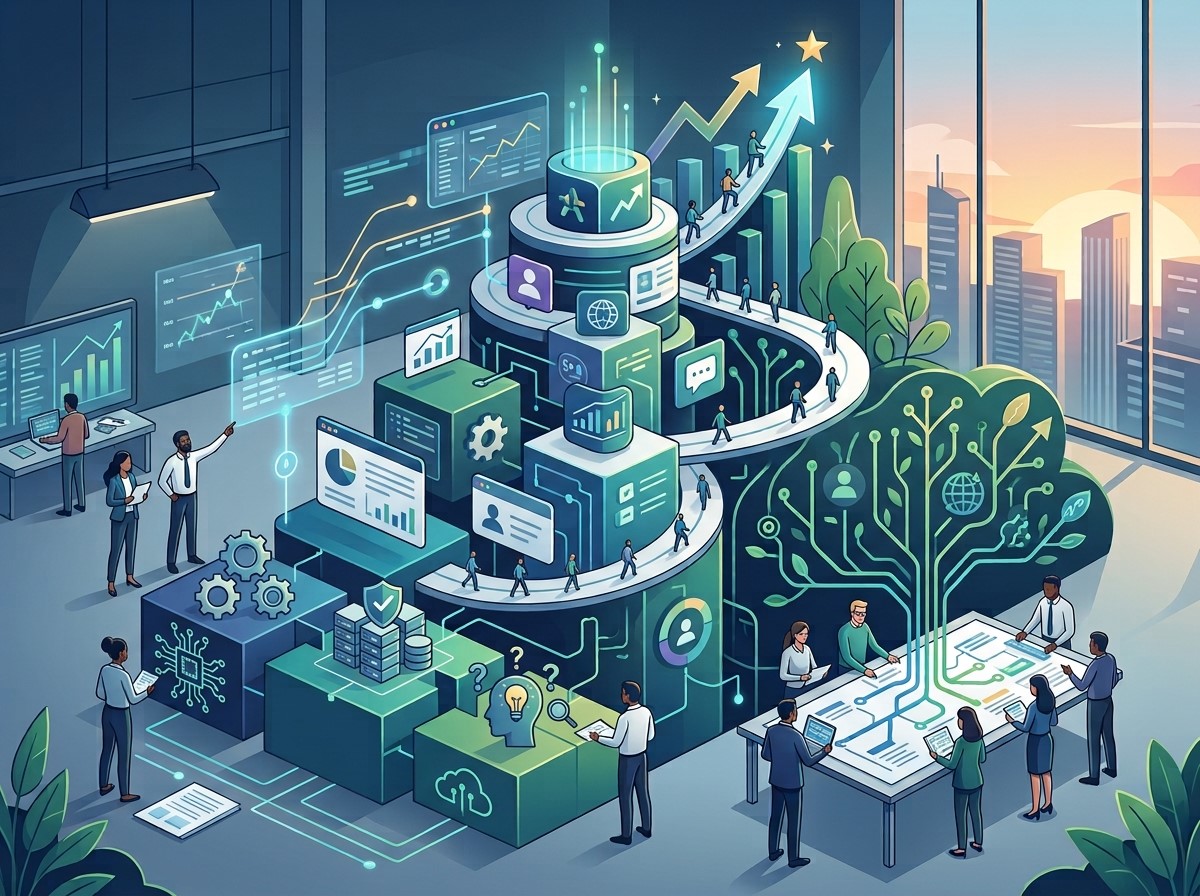 A successful SaaS project begins with a clear understanding of the problem the software is expected to solve. Businesses should identify their target users, core functionality, market requirements, and long-term objectives before development begins.
The technology architecture should also be planned with future growth in mind. Decisions involving databases, cloud infrastructure, integrations, security, and application performance can affect how easily the platform evolves later.
Testing should continue throughout development rather than being limited to the final stage. Functional testing, security testing, performance testing, and user testing can help identify issues before they affect a wider customer base.
After launch, continuous monitoring and improvement become essential. Customer feedback and platform analytics can guide future updates while maintenance helps preserve reliability and security.
Conclusion
SaaS Development Services can support long-term business growth by providing scalable software infrastructure, automation capabilities, data-driven insights, customer-focused experiences, and opportunities for recurring revenue. A well-developed SaaS platform can evolve alongside a business instead of becoming a limitation as operations expand.
From custom functionality and integrations to security and continuous improvement, every part of SaaS development can influence the platform’s ability to support future requirements. Businesses that approach SaaS as a long-term digital investment can create software that continues delivering value as their customers and operations grow.
For organizations planning to build or improve a SaaS product, SanMo CA can help turn technology requirements into structured digital solutions designed for scalability, usability, and sustainable business development.
Frequently Asked Questions
1. What are SaaS Development Services?
SaaS Development Services involve creating cloud-based software applications that users can access through the internet. These services can include planning, design, development, testing, deployment, integration, maintenance, and ongoing improvements.
2. How can SaaS development support business growth?
SaaS development can provide scalable software infrastructure that grows alongside customer demand. It can also support automation, centralized data management, customer engagement, integrations, and recurring subscription-based services.
3. Why is scalability important for a SaaS platform?
Scalability allows a SaaS platform to handle increasing users, transactions, and data without requiring a complete rebuild. Planning for scalability from the beginning can make future expansion more manageable.
4. Can SaaS applications improve operational efficiency?
Yes. SaaS applications can centralize business processes and automate repetitive activities. This can reduce manual work, improve workflow consistency, and help employees manage larger workloads more efficiently.
5. Can custom SaaS development support unique business requirements?
Custom SaaS development allows businesses to create functionality around their specific workflows and customer requirements. This can provide greater flexibility than software designed for general-purpose use.
6. How does SaaS development support customer experience?
A SaaS platform can provide convenient digital access, personalized interfaces, automated communication, centralized account management, and other customer-focused features. These capabilities can help create a smoother user experience.
7. Is SaaS suitable for small businesses?
SaaS can be suitable for businesses of different sizes because cloud-based platforms can be designed around specific operational requirements. Small businesses can start with essential functionality and expand the platform as their needs increase.
8. What security features can a SaaS platform include?
Depending on the application’s requirements, a SaaS platform can include authentication, authorization, encryption, secure data management, monitoring, backups, and other security controls. Security requirements should be determined according to the type of data and service involved.
9. Why are integrations important in SaaS development?
Integrations allow SaaS applications to communicate with other business systems such as payment services, CRM platforms, analytics tools, and communication applications. This can reduce fragmented workflows and unnecessary manual data entry.
10. How can SanMo CA help with SaaS development?
SanMo CA can help businesses develop SaaS solutions around their technology requirements and business objectives. A structured development process can cover planning, design, development, testing, deployment, integration, and ongoing optimization.