Most businesses already have a website. Many have a presence on social media. But the companies pulling ahead in 2024 are doing something different: they’re building custom apps that turn casual browsers into loyal, paying customers.
A generic, off-the-shelf app might check a box. A custom app, on the other hand, is built around your specific customers, your workflows, and your goals. That difference shows up directly in the numbers—higher engagement, stronger retention, and more revenue per user.
This post breaks down exactly how custom apps development services help businesses grow. You’ll learn why custom apps outperform their off-the-shelf cousins, how they keep customers coming back, and the practical ways they boost your bottom line. By the end, you’ll understand whether investing in a custom app makes sense for your business—and how a partner like SanMo CA can help you get there.
What Are Custom Apps Development Services?
Custom apps development services involve designing and building software applications tailored to a specific business and its users. Instead of forcing your operations to fit a one-size-fits-all template, developers create a solution that fits your exact needs.
This can include mobile apps for iOS and Android, web applications, or internal tools your team uses behind the scenes. The defining feature is personalization. Every screen, feature, and integration is chosen with your customers and business objectives in mind.
At SanMo CA, custom apps development services focus on building products that solve real problems—not just adding features for the sake of it. That focus on purpose is what separates an app people delete after one use from one they open every day.
Why Custom Apps Beat Off-the-Shelf Solutions
 Off-the-shelf software can be tempting. It’s often cheaper upfront and quick to deploy. But there are clear trade-offs that affect how your customers engage with your brand.
Tailored user experience: Custom apps are designed around how your customers actually behave. The interface, navigation, and features all reflect their needs, which makes the app easier and more enjoyable to use.
Seamless integrations: A custom app can connect directly to your existing systems—your CRM, payment processor, inventory software, or analytics tools. Off-the-shelf products often force awkward workarounds.
Room to grow: As your business evolves, a custom app evolves with it. You can add features, scale capacity, and adjust to new market demands without starting from scratch.
Stronger brand identity: Every detail of a custom app reflects your brand—from colors and tone to the way users move through it. That consistency builds trust and recognition over time.
When customers feel an app was built for them, they’re far more likely to stick around. And that engagement is the foundation for everything that follows.
How Custom Apps Drive Customer Engagement
Engagement is the heartbeat of any digital product. An app that sits unused on a home screen delivers no value. Here’s how custom apps keep customers actively involved.
Personalized Experiences
Custom apps can collect and use data to tailor each user’s experience. Think product recommendations based on past purchases, content suited to individual interests, or dashboards that show exactly what each user cares about. Personalization makes customers feel understood—and that feeling keeps them coming back.
Push Notifications That Actually Work
A well-built app can send timely, relevant notifications: a reminder about an abandoned cart, a flash sale on a favorite product, or an update on an order. When done thoughtfully, these nudges re-engage customers at the right moment without becoming annoying.
Loyalty and Reward Programs
Custom apps make it easy to build loyalty programs directly into the user experience. Points, badges, exclusive deals, and gamified rewards give customers a reason to return again and again. These features are difficult to replicate well with generic software.
Faster, Smoother Performance
Speed matters. A sluggish app frustrates users and drives them away. Custom apps are optimized for performance, loading quickly and running smoothly. That reliability builds trust and encourages frequent use.
Direct Communication Channels
In-app messaging, chat support, and feedback tools give customers an easy way to connect with your business. This direct line strengthens relationships and shows customers you’re listening.
How Custom Apps Increase Revenue
Engagement is great, but at the end of the day, businesses need results. Here’s how custom apps translate active users into real revenue.
More Sales Through Better User Journeys
A custom app removes friction from the buying process. Streamlined checkout, saved payment details, and intuitive navigation make it easier for customers to complete a purchase. Fewer obstacles mean more completed sales.
New Revenue Streams
Custom apps open doors to revenue models that may not be possible otherwise. In-app purchases, subscription tiers, premium features, and partnerships all become viable options. You’re no longer limited by what a template allows.
Higher Customer Lifetime Value
Engaged customers spend more over time. By keeping users active and satisfied, custom apps increase the total value each customer brings to your business. Retention is almost always cheaper than acquisition—and far more profitable.
Valuable Data and Insights
Every interaction within a custom app generates data. You can see what customers love, where they drop off, and what features go unused. These insights let you make smarter decisions, refine your offering, and spot new opportunities for growth.
Reduced Operational Costs
Custom apps don’t just bring in revenue—they can also cut costs. Automating repetitive tasks, streamlining internal workflows, and reducing manual errors all add up. The savings flow straight to your bottom line.
What to Look for in an App Development Partner
Choosing the right development partner matters as much as the decision to build an app at all. Here’s what separates a great partner from an average one.
A focus on your goals: The best partners take time to understand your business before writing a single line of code. They ask about your customers, your challenges, and what success looks like to you.
Proven technical skill: Look for a team with experience across platforms, strong design capabilities, and a portfolio that demonstrates quality work.
Clear communication: App development is a collaboration. You want a partner who keeps you informed, explains decisions in plain language, and welcomes your input.
Ongoing support: An app is never truly finished. Updates, bug fixes, and new features keep it relevant. Choose a partner who sticks around after launch.
SanMo CA brings these qualities together, combining technical expertise with a genuine focus on helping businesses grow through thoughtful apps development services.
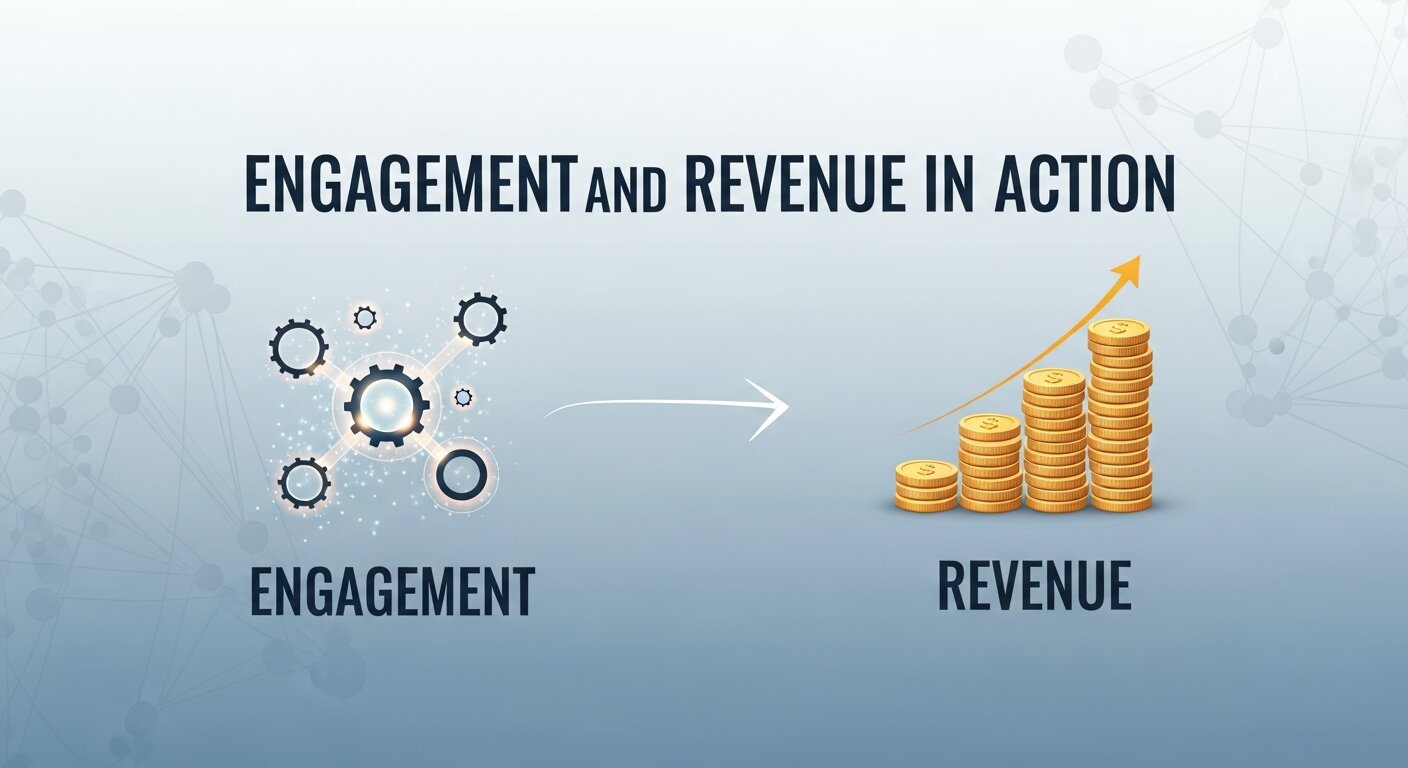
Real-World Impact: Engagement and Revenue in Action
 Consider a retail business that switched from a basic mobile site to a custom app. With personalized recommendations and a streamlined checkout, customers found it easier to shop and discover products they loved. Push notifications brought back shoppers who had drifted away. The result: more frequent purchases and a noticeable lift in average order value.
Or take a service-based company that built a custom app for booking and account management. Customers could schedule appointments, track their history, and message support—all in one place. That convenience reduced no-shows, boosted repeat bookings, and freed up staff time for higher-value work.
These scenarios show a consistent pattern. When you make life easier for customers, they engage more—and engaged customers drive revenue.
 Technology evolves rapidly, and businesses must adapt to remain competitive. Custom apps provide the flexibility needed to respond to changing customer expectations and industry trends. Unlike generic software that may become outdated or restrictive, a custom solution can be updated and expanded as new opportunities emerge. Businesses can integrate emerging technologies such as artificial intelligence, automation, cloud services, and
 Frequently Asked Questions
How much do custom apps development services cost?
Costs vary widely depending on the app’s complexity, features, and platforms. A simple app with basic features costs far less than a complex one with custom integrations and advanced functionality. The best approach is to discuss your specific needs with a development partner who can provide a tailored estimate based on your goals and budget.
How long does it take to build a custom app?
Timelines depend on scope. A straightforward app might take a few months, while a feature-rich application can take longer. Factors like design complexity, integrations, and testing all affect the timeline. A good development partner will give you a realistic schedule up front and keep you updated throughout.
Will a custom app work on both iOS and Android?
Yes. Custom apps can be built for iOS, Android, or both. Many businesses choose to launch on both platforms to reach the widest audience. Developers can use cross-platform technologies to build for both efficiently, or create native apps tailored to each platform for maximum performance.
How do custom apps actually increase revenue?
Custom apps boost revenue in several ways: smoother buying journeys that lead to more sales, new revenue streams like subscriptions and in-app purchases, higher customer lifetime value through better retention, and reduced operational costs through automation. Together, these effects can significantly improve your bottom line.
Is a custom app worth it for a small business?
It can be, especially if a custom app solves a real problem for your customers or streamlines your operations. Small businesses often see strong returns from apps that improve customer engagement, simplify bookings, or enable direct sales. The key is making sure the app aligns with clear business goals.
Getting Started With Custom App Development
A custom app is an investment in long-term growth. The companies that benefit most treat it as a strategic decision, not a quick fix. Start by clarifying your goals: What problem are you solving? What do you want customers to do? How will you measure success?
From there, the right development partner can guide you through design, build, launch, and beyond. The process works best as a partnership—one where your knowledge of your customers meets the technical expertise of your developers.
If you’re ready to explore what a custom app could do for your business, SanMo CA offers apps development services designed to drive engagement and revenue. The first step is a simple conversation about your goals.