Commerce is shifting at a remarkable speed, and enterprise organizations must adapt to survive. The days of relying on fragmented, manual, or poorly integrated financial infrastructure are gone. Modern enterprises manage massive transaction volumes across multiple borders, currencies, and platforms. This complexity demands a financial backbone that can support growth without compromising safety.
Security and scalability are the two most critical factors when upgrading your financial technology. If a system is secure but cannot handle a sudden spike in holiday traffic, you lose revenue. If a system can scale infinitely but leaves customer data vulnerable, you risk losing your reputation entirely. Finding the right balance is essential for long-term success.
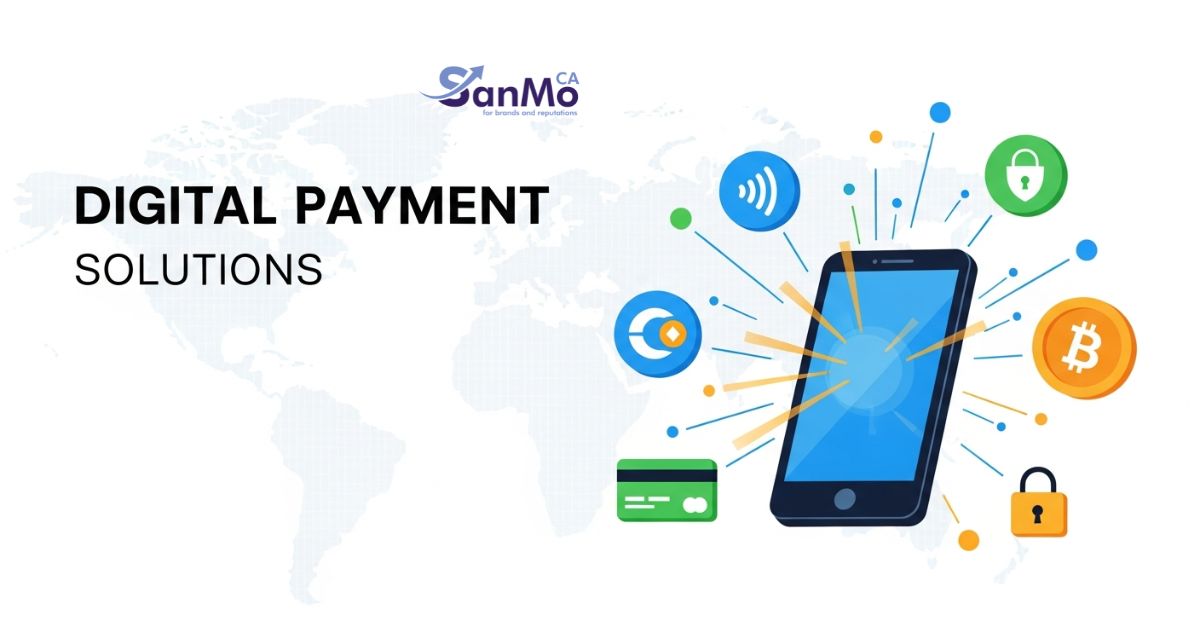
This is exactly where robust digital payment solutions step in. By leveraging advanced encryption, cloud-based infrastructure, and seamless API integrations, modern payment systems allow companies to process transactions flawlessly. They provide peace of mind to executives and a frictionless experience to end-users.
For companies looking to future-proof their financial operations, understanding the core components of these systems is the first step. SanMo CA has emerged as a key player in this space, offering technology specifically designed to handle the heavy lifting of enterprise commerce. In this guide, we will explore how to evaluate, select, and implement payment infrastructure that will support your organization for decades to come.
The Evolution of Enterprise Transactions
The way businesses exchange money has transformed drastically over the last decade. Early online payment systems were clunky, heavily siloed, and required constant manual reconciliation. Now, financial technology operates invisibly in the background, executing complex global transfers in a matter of milliseconds.
Shifting B2B and Consumer Expectations
Buyers expect the checkout process to be invisible. When a customer or corporate partner clicks a button to authorize a transfer, they assume the process will be instantaneous and completely safe. Any friction, such as a timed-out screen or an unverified security badge, often leads to an abandoned cart or a canceled contract. Businesses must provide diverse payment methods, including credit cards, digital wallets, and automated clearing house (ACH) transfers, to accommodate varied preferences.
The Hidden Costs of Outdated Infrastructure
Running legacy payment systems creates invisible financial drains on a company. High processing fees, manual data entry errors, and the cost of IT teams maintaining old servers add up quickly. Furthermore, outdated systems often lack the data analytics required to understand purchasing trends. Upgrading to modern digital payment solutions eliminates these operational bottlenecks, freeing up capital and human resources for product development and market expansion.
Core Pillars of Reliable Digital Payment Solutions
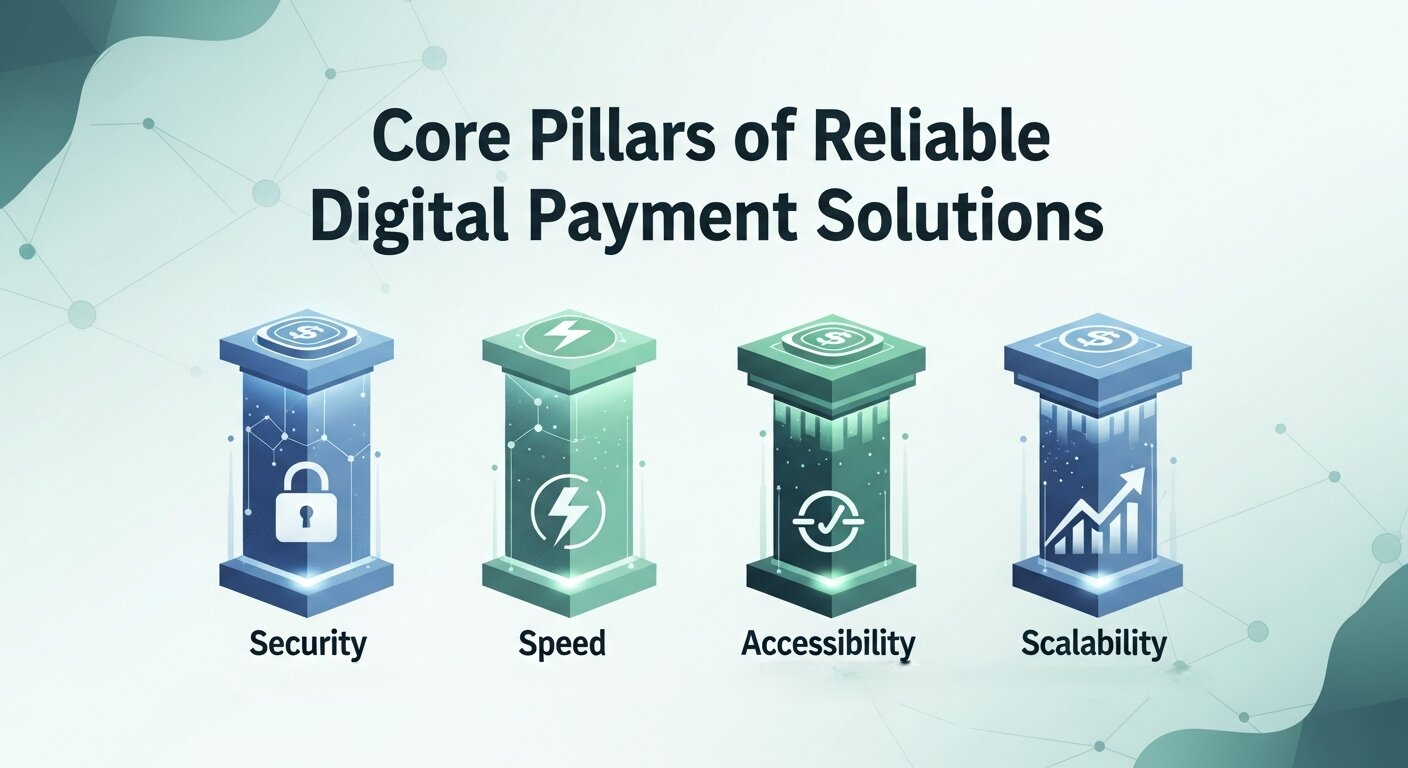 When evaluating new payment architecture, business leaders should focus on a few non-negotiable pillars. These elements ensure the platform will actually serve the company’s long-term strategic goals.
Uncompromising Security Measures
Data breaches cost enterprises millions of dollars in fines, lost sales, and legal fees. A reliable payment system employs end-to-end encryption, ensuring that sensitive financial data is scrambled the moment it is entered. Tokenization is another crucial feature. By replacing a credit card number with a unique, randomized token, businesses can process recurring transactions without ever storing the actual card details on their servers.
Seamless Scalability for Growth
Your payment architecture must grow alongside your revenue. If your marketing team launches a highly successful campaign that drives a 500% increase in website traffic, your payment gateway must handle the influx without crashing. Cloud-based infrastructure allows modern digital payment solutions to scale processing power dynamically. You pay for the bandwidth you use, and the system automatically expands its capacity during high-demand periods.
Broad Integration Capabilities
A payment platform cannot exist in a vacuum. It needs to communicate seamlessly with your enterprise resource planning (ERP) software, accounting tools, and customer relationship management (CRM) systems. High-quality systems offer robust Application Programming Interfaces (APIs). These APIs allow developers to connect the payment gateway to existing software, enabling real-time data syncing and automated ledger updates.
Why SanMo CA Leads the Payment Revolution
Choosing the right partner is critical when overhauling your financial technology. SanMo CA has built a reputation for delivering enterprise-grade architecture that prioritizes both defense and flexibility.
Advanced Fraud Protection
SanMo CA utilizes machine learning algorithms to monitor transactions in real-time. By analyzing thousands of data points—such as the user’s location, device type, and purchasing history—the system can instantly flag anomalies. This proactive approach stops fraudulent transactions before they are processed, significantly reducing chargeback rates while ensuring legitimate customers are not blocked by overly aggressive filters.
Global Reach with Local Compliance
Expanding into international markets introduces a maze of regulatory requirements. Different regions have specific rules governing data storage, consumer privacy, and taxation. SanMo CA navigates this complexity by offering built-in compliance tools. Whether you are dealing with GDPR in Europe or specific banking regulations in Asia, the platform automatically adjusts its protocols to ensure your transactions remain legally compliant everywhere you operate.
Steps to Upgrade Your Payment Infrastructure
 Transitioning to a new payment system requires careful planning. A rushed migration can lead to lost data and interrupted cash flow. Follow these steps to ensure a smooth transition.
Audit Your Current System
Begin by mapping out exactly how money flows through your organization. Identify all the software tools that touch your financial data. Speak with your accounting team to understand their biggest pain points, such as manual reconciliation or delayed settlement times. Documenting these inefficiencies will help you create a clear list of requirements for your new vendor.
Choose a Partner Aligned with Your Goals
Evaluate potential vendors based on your specific needs. Request detailed case studies showing how they have helped companies similar to yours. Pay close attention to their uptime guarantees and customer support service level agreements (SLAs). An ideal partner will offer comprehensive documentation and dedicated implementation specialists to guide your engineering team.
Train Your Team and Deploy
Before going live, conduct rigorous testing in a sandbox environment. Run simulated transactions to ensure all API connections are functioning correctly and that data is syncing cleanly with your ERP. Once the technical side is verified, train your customer service and accounting teams on the new interface. A phased rollout—starting with a small percentage of your traffic—can help catch any unforeseen bugs before you migrate your entire transaction volume.
Omnichannel Payment Experience
Modern consumers interact with brands across multiple touchpoints, including websites, mobile apps, physical stores, and social media platforms. A unified omnichannel payment system ensures a consistent and seamless experience across all these channels. Customers should be able to start a transaction on one device and complete it on another without friction. This level of integration builds trust and enhances customer satisfaction. Businesses also benefit from centralized data, enabling better tracking of user behavior and purchasing patterns. By implementing omnichannel digital payment solutions, enterprises can eliminate silos, streamline operations, and deliver a cohesive brand experience that meets evolving customer expectations.
Real-Time Payment Processing
Speed is a defining factor in modern commerce. Real-time payment processing allows transactions to be completed instantly, improving cash flow and customer satisfaction. Unlike traditional systems that may take hours or days to settle payments, real-time solutions ensure immediate fund transfers. This is particularly beneficial for businesses managing high transaction volumes or operating in fast-paced industries. Instant confirmations also reduce uncertainty for customers, increasing trust in the platform. Additionally, real-time processing enhances financial transparency by providing up-to-date transaction records. Adopting this capability allows enterprises to remain competitive and responsive in an increasingly time-sensitive digital economy.
Subscription and Recurring Billing Systems
Recurring revenue models have become a cornerstone of many modern businesses. Subscription-based payment systems automate billing cycles, ensuring consistent revenue streams without manual intervention. These systems handle tasks such as invoice generation, payment reminders, and failed transaction retries. Advanced solutions also allow for flexible pricing models, including tiered subscriptions and usage-based billing. By integrating recurring payment capabilities, businesses can improve customer retention and reduce churn. Additionally, automated billing minimizes administrative workload and human error. Implementing robust subscription management tools is essential for companies looking to scale predictable and sustainable revenue models efficiently.
Payment Data Analytics and Insights
 Data-driven decision-making is essential for optimizing financial operations. Modern digital payment solutions provide advanced analytics tools that track transaction trends, customer preferences, and revenue performance. These insights help businesses identify peak purchasing times, popular payment methods, and potential bottlenecks in the checkout process. By leveraging this data, organizations can refine their pricing strategies and marketing campaigns. Real-time dashboards also enable quick responses to anomalies or suspicious activity. Over time, these analytics contribute to more accurate forecasting and strategic planning. Incorporating payment data insights transforms raw transaction data into a valuable asset for business growth.
Cross-Border Payment Optimization
Expanding into international markets introduces challenges such as currency conversion, varying regulations, and fluctuating exchange rates. Optimized cross-border payment systems simplify these complexities by offering multi-currency support and automated compliance checks. They also provide localized payment options, which improve customer trust and conversion rates. Efficient cross-border solutions reduce transaction fees and processing delays, ensuring a smooth global payment experience. By addressing these challenges proactively, businesses can scale internationally without operational disruptions. A well-optimized system enables enterprises to tap into new markets while maintaining consistent service quality and financial accuracy.
Customer Authentication and UX Balance
Security measures must not come at the cost of user experience. Strong customer authentication methods, such as two-factor authentication (2FA) and biometric verification, protect sensitive data while maintaining convenience. The key is to implement adaptive authentication, where security levels adjust based on transaction risk. For example, low-risk transactions may require minimal verification, while high-risk ones trigger additional checks. This approach reduces friction for legitimate users while safeguarding against fraud. A balanced authentication system enhances trust and encourages repeat transactions. Businesses that prioritize both security and usability create a smoother, more reliable payment journey.
Emerging Technologies in Payments
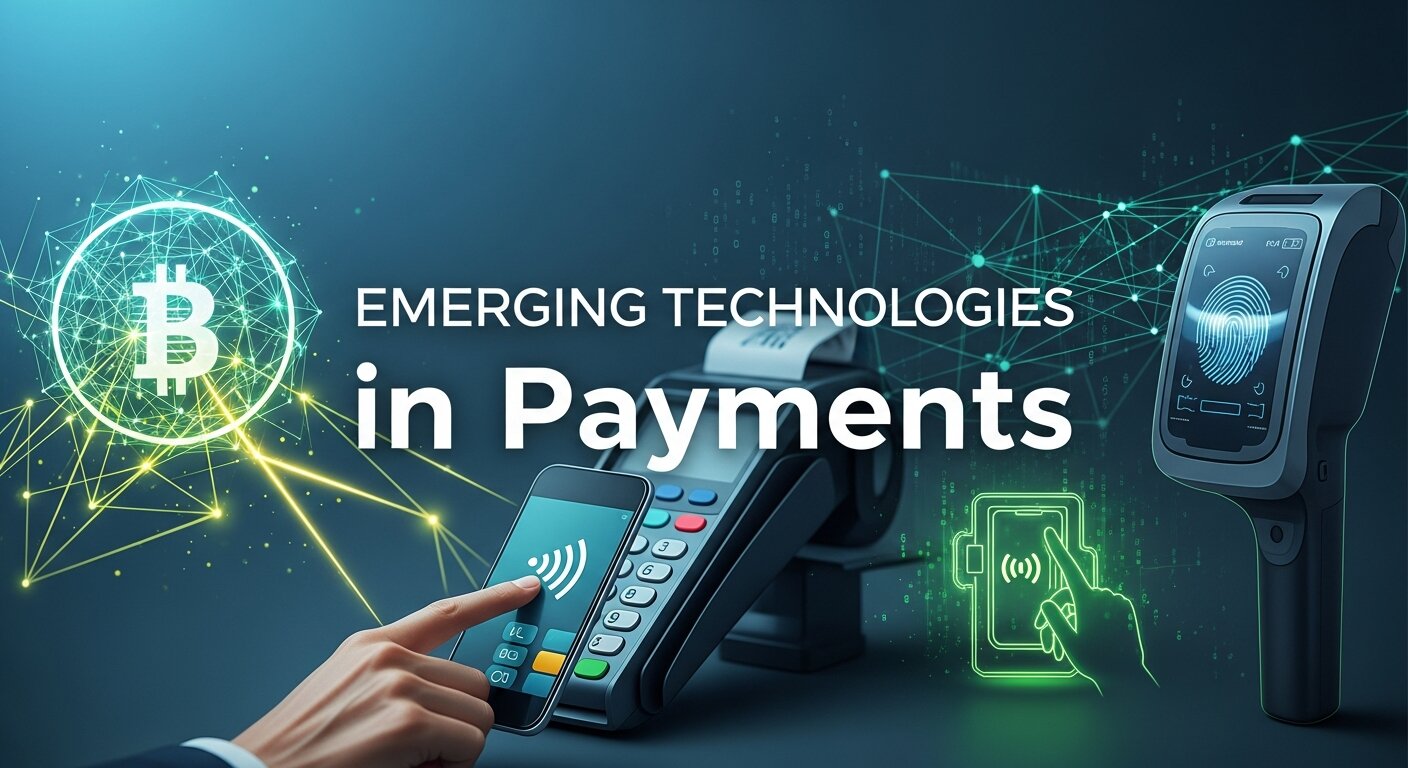 The payment industry continues to evolve with the introduction of cutting-edge technologies. Innovations such as blockchain, artificial intelligence, and contactless payments are reshaping how transactions are processed. Blockchain offers enhanced transparency and security, while AI improves fraud detection and personalization. Contactless and mobile payments provide speed and convenience, aligning with modern consumer expectations. Staying updated with these advancements allows businesses to remain competitive and future-ready. By adopting emerging technologies strategically, enterprises can enhance efficiency, reduce costs, and deliver innovative payment experiences that set them apart in the marketplace.
Frequently Asked Questions (FAQ)
What are digital payment solutions?
They are secure software platforms and networks that facilitate the electronic transfer of money. This includes credit card processing, digital wallets, bank transfers, and international currency exchanges, designed to operate efficiently at an enterprise scale.
How do tokenization and encryption differ?
Encryption scrambles data using a cryptographic key, meaning the data can be deciphered if someone has the right key. Tokenization replaces sensitive data with a completely random string of characters (a token) that has no mathematical relationship to the original data, making it useless to hackers even if intercepted.
Why is scalability important for enterprise payment systems?
As an organization grows, transaction volumes naturally increase. Scalability ensures that the payment gateway can process a higher number of simultaneous transactions without slowing down, timing out, or requiring costly manual hardware upgrades.
How does SanMo CA help with international transactions?
SanMo CA provides tools that automatically handle currency conversion, local tax calculation, and regional compliance mandates. This allows businesses to accept payments from customers worldwide without needing to establish separate banking relationships in every country.
Future-Proofing Your Business Commerce
Relying on outdated financial infrastructure is a gamble no modern enterprise should take. By prioritizing robust security protocols and seamless scalability, you create a foundation that supports aggressive growth and protects your most valuable asset: customer trust.
Now is the time to evaluate your current transaction workflows and identify areas for improvement. Reach out to the team at SanMo CA to request a comprehensive audit of your payment architecture. With the right technology in place, you can turn your payment processing from a logistical headache into a strategic advantage.