Running a business means making hundreds of decisions every day. But few decisions carry as much weight as how you accept and process payments. A slow, clunky, or insecure payment experience doesn’t just frustrate customers—it actively costs you revenue.
Digital payment solutions have reshaped how businesses of all sizes handle transactions. From contactless payments at the point of sale to seamless online checkouts, the way money moves between customers and businesses has never been more sophisticated. And for companies like SanMo CA, staying ahead of this curve is no longer a nice-to-have—it’s a competitive necessity.
This post breaks down how secure digital payment solutions directly support business growth, what features matter most, and how to choose the right setup for your business. Whether you’re processing your first hundred transactions or your hundred thousandth, getting payments right is one of the highest-leverage investments you can make.
Why Payment Security Is a Business Growth Strategy
 It’s tempting to think of payment security as a defensive measure—something you implement to avoid problems. But the reality is more nuanced. Businesses that invest in secure digital payment infrastructure tend to grow faster, retain more customers, and operate more efficiently than those that don’t.
Here’s why: trust is a purchasing driver. When customers feel confident that their financial data is protected, they complete purchases. When they don’t, they abandon carts, avoid repeat purchases, and—in the worst cases—share negative experiences publicly. According to a 2023 report by PwC, 85% of consumers say they would stop doing business with a company after a data breach.
Security and growth aren’t separate conversations. They’re the same conversation.
What Are Digital Payment Solutions, and What Do They Include?
Digital payment solutions encompass the full range of technologies that enable businesses to accept, process, and manage electronic payments. This includes:
- Point-of-sale (POS) systems for in-person transactions
- Payment gateways for online checkouts
- Mobile payment processing via smartphones or tablets
- Contactless and NFC payments such as Apple Pay and Google Pay
- ACH transfers and e-checks for recurring billing
- Integrated invoicing and billing platforms for B2B transactions
For a company like SanMo CA, the right digital payment stack will depend on the channels through which customers purchase—in-store, online, or both—and the volume and frequency of those transactions.
How Secure Digital Payments Support Business Growth
Reducing Cart Abandonment and Lost Revenue
Cart abandonment is one of the most common—and costly—problems in e-commerce. The Baymard Institute reports that the average cart abandonment rate sits at nearly 70%, with a significant portion of those drop-offs happening at checkout. Complicated forms, limited payment options, and a lack of visible security indicators are among the top culprits.
A streamlined, secure checkout experience directly addresses this. Offering multiple payment methods, displaying SSL certificates and security badges, and enabling one-click or saved-card options all reduce friction at the final step of the customer journey. Fewer abandoned carts means more completed sales—full stop.
Building Customer Trust and Loyalty
Trust compounds over time. A customer who completes a smooth, secure transaction once is far more likely to return. A customer who experiences a payment issue—whether a failed transaction, a confusing checkout, or worse, a fraud incident—rarely comes back.
Secure digital payment solutions signal professionalism and reliability. For small and mid-sized businesses competing against larger players, this signal matters enormously. Customers often can’t see behind the curtain of your operations, but they can feel the difference between a polished payment experience and a clunky one.
Enabling Faster, More Flexible Transactions
Speed matters at the point of sale. Long queues, slow terminal processing, and manual payment handling all create bottlenecks that reduce how many customers you can serve in a given time. Modern digital payment solutions process transactions in seconds, support tap-to-pay and QR code payments, and integrate directly with your inventory and accounting systems.
This speed doesn’t just improve the customer experience—it improves your operational throughput. A retail business that can process 30% more transactions per hour during peak times has meaningfully increased its revenue ceiling without adding headcount.
Expanding Your Reach to New Markets
Accepting only cash or a single card type limits who can buy from you. Digital payment solutions open the door to a broader customer base: international buyers, customers who prefer digital wallets, and younger consumers who rarely carry physical cards.
For SanMo CA, expanding digital payment capabilities can directly translate to serving new customer segments without requiring significant infrastructure investment. Many modern payment platforms support multi-currency processing and regional payment methods, making it easier to grow into new geographies.
Improving Cash Flow Management
One of the less-discussed benefits of digital payment solutions is the positive impact on cash flow. Digital payments settle faster than traditional checks, often within one to two business days. Recurring billing tools automate invoice collection, reducing the time spent chasing payments. And integrated reporting gives you real-time visibility into what’s coming in and when.
For businesses managing tight margins or seasonal revenue fluctuations, these improvements to cash flow predictability can be genuinely transformative.
Key Security Features to Look for in a Digital Payment Solution
Not all digital payment platforms are created equal. When evaluating options for your business, prioritize solutions that include the following:
PCI DSS Compliance
The Payment Card Industry Data Security Standard (PCI DSS) is the baseline security requirement for any business that accepts card payments. A PCI-compliant payment solution adheres to strict protocols around data encryption, storage, and access control. Always verify that any platform you consider maintains current PCI DSS certification.
End-to-End Encryption (E2EE)
End-to-end encryption ensures that payment data is encrypted from the moment a customer enters it until it reaches the payment processor—making it unreadable to anyone who might intercept it in transit. This is a non-negotiable feature for any business processing card or bank account information.
Tokenization
Tokenization replaces sensitive card data with a unique, randomly generated token. Even if your system were compromised, attackers would only find tokens—not usable payment credentials. Platforms that use tokenization provide a meaningful additional layer of protection for stored payment data.
Fraud Detection and Real-Time Monitoring
Look for platforms that use machine learning or rule-based systems to flag suspicious transactions in real time. The ability to catch and stop fraudulent activity before a transaction completes saves your business from chargebacks, losses, and the administrative burden of resolving disputes.
Two-Factor Authentication (2FA)
For accessing your payment management dashboard or processing refunds, two-factor authentication adds an important layer of access control. It’s a simple feature that significantly reduces the risk of unauthorized account access.
Choosing the Right Digital Payment Solution for Your Business
The right payment solution depends on your specific business model, customer base, and growth goals. Here are a few practical considerations to guide your decision:
Volume and transaction size: High-volume businesses with many small transactions have different needs than businesses processing fewer, larger payments. Pricing structures—flat-rate vs. interchange-plus—can have a significant cost impact at scale.
Sales channels: If you sell both in-person and online, look for a unified platform that handles both seamlessly. Fragmented payment systems create reconciliation headaches and data gaps.
Integration with existing tools: Your payment solution should integrate cleanly with your accounting software, CRM, and inventory management systems. Manual data entry between systems is a hidden cost that adds up quickly.
Customer support: When a payment issue arises—and eventually, one will—fast, knowledgeable support is invaluable. Prioritize platforms with strong support reputations, particularly during business hours relevant to your time zone.
For businesses in California like SanMo CA, it’s also worth ensuring that any payment platform complies with California Consumer Privacy Act (CCPA) requirements, which govern how customer data is collected, stored, and used.
Common Mistakes Businesses Make with Digital Payments
Even businesses with good intentions get payment strategy wrong. Watch out for these common pitfalls:
- Prioritizing low fees over security: The cheapest platform is rarely the most secure. A single fraud incident can cost far more than a year of slightly higher processing fees.
- Ignoring mobile optimization: A checkout that works beautifully on desktop but breaks on mobile is a significant revenue leak. Mobile now accounts for a majority of e-commerce traffic.
- Offering too few payment options: Limiting customers to one or two payment methods frustrates those who prefer alternatives and reduces conversion rates.
- Neglecting to audit payment systems regularly: Security standards evolve. A system that was fully compliant two years ago may have gaps today. Schedule regular reviews.
How Digital Payments Improve Operational Efficiency
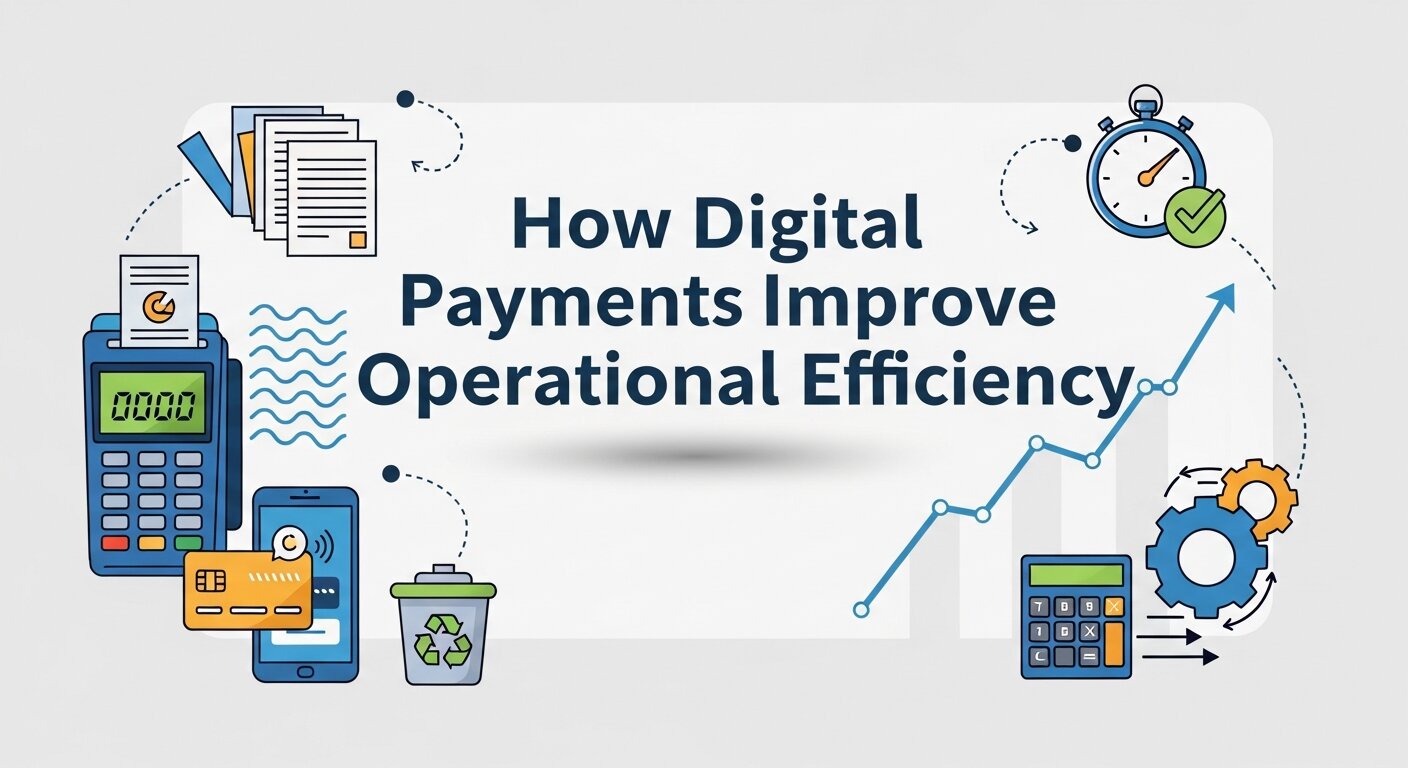 Digital payment solutions do more than simplify customer transactions—they can improve the way a business operates behind the scenes. Automated payment processing reduces manual data entry, minimizes reconciliation errors, and allows teams to track transactions through centralized dashboards. When payment data connects with accounting, inventory, and customer management systems, businesses can spend less time handling administrative tasks and more time focusing on growth. Automated receipts, recurring billing, and digital invoicing also create a smoother workflow for both employees and customers. Over time, these efficiencies can reduce operating costs while giving business owners clearer visibility into revenue, expenses, and transaction activity. For growing businesses, a connected payment infrastructure provides the scalability needed to handle higher transaction volumes without creating unnecessary operational complexity.
Using Payment Data to Make Smarter Business Decisions
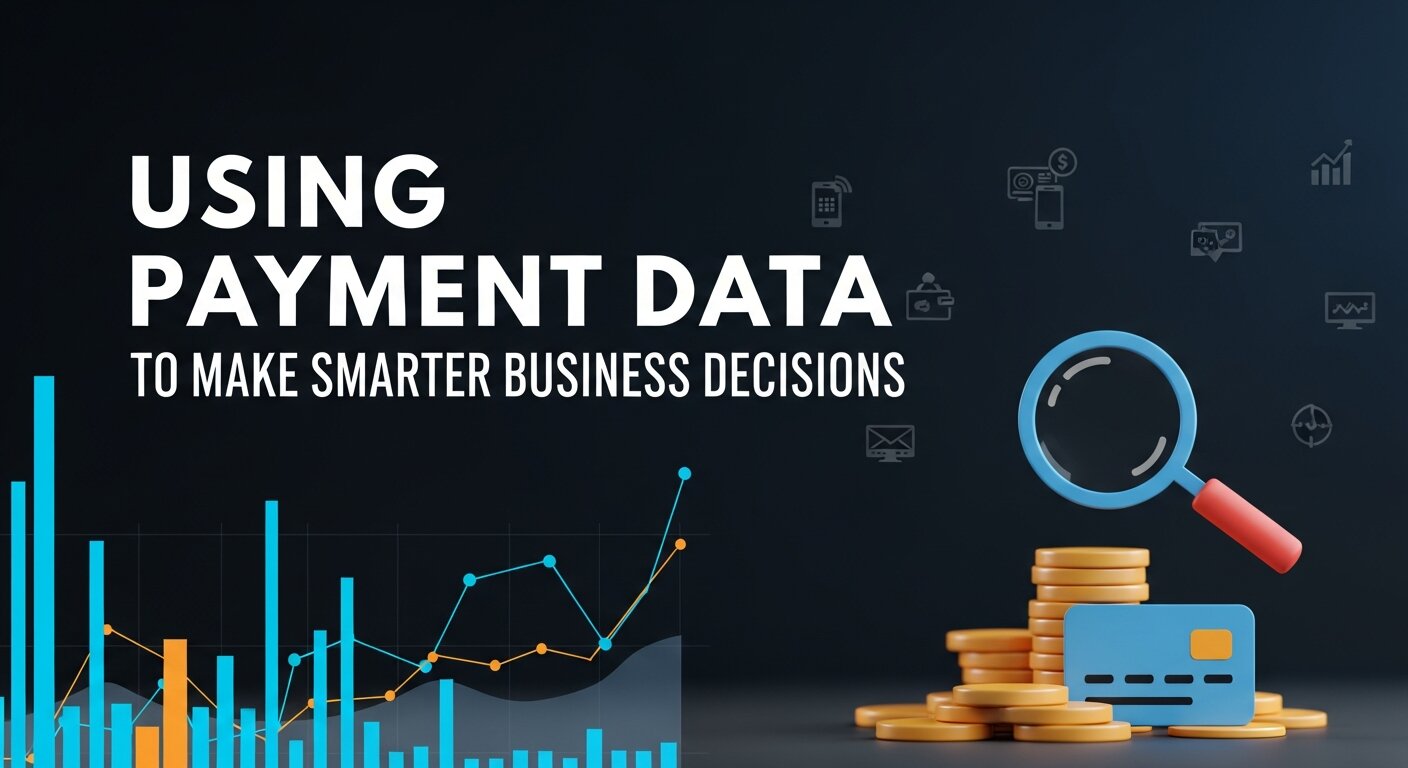 Modern payment platforms generate valuable transaction data that can support better business decisions. Businesses can analyze purchasing patterns, payment methods, transaction volumes, peak sales periods, and customer behavior to identify opportunities for improvement. For example, payment data may reveal which products generate the most revenue or which payment methods customers prefer. These insights can help businesses optimize inventory, adjust promotions, improve pricing strategies, and plan staffing around high-demand periods. Real-time reporting also makes it easier to monitor cash flow and identify unusual transaction activity quickly. Instead of treating payment processing as a simple back-office function, businesses can use payment data as a strategic resource. This combination of secure transactions and actionable insights helps companies make more informed decisions while creating a stronger foundation for long-term growth.
Frequently Asked Questions About Digital Payment Solutions
What is a digital payment solution?
A digital payment solution is any technology that enables businesses to accept and process electronic payments. This includes payment gateways, POS systems, mobile payment apps, and contactless payment tools. These platforms replace or supplement cash and check transactions with faster, more secure alternatives.
How do digital payment solutions improve business security?
Secure digital payment solutions use technologies like end-to-end encryption, tokenization, and PCI DSS compliance to protect sensitive financial data. These features reduce the risk of fraud, data breaches, and chargebacks—all of which can have serious financial and reputational consequences for a business.
Are digital payment solutions suitable for small businesses?
Absolutely. Many platforms are specifically designed for small and mid-sized businesses, with scalable pricing, easy setup, and no requirement for dedicated IT staff. SanMo CA and similar businesses can benefit significantly from the efficiency, security, and professionalism that digital payment tools provide.
How do I know if a payment platform is PCI compliant?
You can verify a payment processor’s PCI DSS compliance by asking them directly for their compliance documentation or by checking the PCI Security Standards Council’s list of validated payment software and service providers at pcisecuritystandards.org.
What’s the difference between a payment gateway and a payment processor?
A payment gateway is the technology that securely transmits payment data from the customer to the payment processor. The payment processor is the entity that communicates with the card networks and banks to authorize and settle the transaction. Many modern platforms bundle both functions into a single service.
How quickly do digital payments settle?
Settlement times vary by platform and payment method. Most card payments settle within one to two business days. ACH transfers may take two to four business days. Some platforms offer instant or same-day payouts for an additional fee.
The Bottom Line: Secure Payments Fuel Sustainable Growth
Payment infrastructure might not be the most exciting part of running a business, but it’s one of the most consequential. A secure, efficient digital payment setup reduces friction for customers, protects your business from costly fraud, and gives you the operational clarity to make smarter decisions.
For SanMo CA and businesses like it, the opportunity is clear. Investing in the right digital payment solutions today creates a foundation for growth that’s both scalable and sustainable. Review your current payment stack, identify the gaps, and make the upgrades that your customers—and your bottom line—deserve.