Few things test an organization’s resilience like a crisis. Whether it’s a natural disaster, a cyberattack, a public relations meltdown, or an operational failure, the speed and precision of your response often determines how much damage is done—and how quickly you recover.
Crisis management services have always demanded fast thinking, clear communication, and smart decision-making under pressure. But the tools available to crisis teams have changed dramatically in recent years. Artificial intelligence is no longer a futuristic concept reserved for tech giants. It’s now a practical, deployable resource that is reshaping how organizations prepare for, respond to, and recover from crises of all kinds.
At SanMo CA, we’ve seen this transformation firsthand. The integration of AI into crisis management workflows isn’t just making response teams faster—it’s making them smarter. This blog explores how AI is redefining the crisis management landscape, where it adds the most value, and what organizations should understand before adopting AI-driven tools into their own frameworks.
What Does AI Actually Bring to Crisis Management?
 AI, at its core, is a set of technologies that enables machines to process large amounts of data, identify patterns, and make recommendations—often faster than any human team could manage alone.
In the context of crisis management services, this translates into several meaningful capabilities:
- Real-time data processing: AI systems can monitor thousands of data streams simultaneously—social media, news outlets, internal communications, sensor networks—and flag anomalies that may signal an emerging crisis.
- Predictive modeling: By analyzing historical data, AI tools can help organizations anticipate where vulnerabilities lie and which scenarios are most likely to escalate.
- Automated response coordination: Certain AI platforms can trigger predefined response protocols the moment specific conditions are met, reducing lag time in the critical early stages of a crisis.
- Natural language processing (NLP): AI-powered communication tools can draft crisis communications, monitor public sentiment, and even respond to high-volume inquiries during an active event.
Together, these capabilities give crisis management teams a significant edge—not by replacing human judgment, but by enhancing it.
How AI Is Changing the Way Organizations Detect and Assess Threats
Early Warning Systems Powered by Machine Learning
One of the most valuable applications of AI in crisis management services is early threat detection. Traditional monitoring relied heavily on manual processes—someone had to notice the warning signs before a response could begin. That delay cost time, and in a crisis, time is everything.
Machine learning models can now analyze behavioral patterns, environmental data, and external signals to identify threats well before they escalate. For example, AI tools used in cybersecurity can detect unusual network activity that precedes a breach. In public health, AI has been used to track disease outbreak patterns across geographic regions faster than conventional surveillance systems.
For organizations partnering with crisis management services like SanMo CA, this early warning capability means the difference between getting ahead of a situation and scrambling to catch up.
Sentiment Analysis and Reputation Monitoring
During a crisis, public perception can shift in minutes. AI-powered sentiment analysis tools continuously scan social media, news platforms, and online forums to gauge how a situation is being perceived—and by whom.
This real-time intelligence allows communications teams to adjust their messaging quickly, address misinformation before it spreads, and identify key influencers who may be amplifying the crisis narrative. Without AI, this kind of monitoring would require a large team working around the clock. With it, a small crisis management team can maintain comprehensive situational awareness throughout an event.
AI’s Role in Crisis Response Coordination
Streamlining Decision-Making Under Pressure
The pressure of an active crisis can impair decision-making, even among seasoned professionals. Information comes in from multiple directions, priorities compete, and the consequences of a wrong call can be severe. AI decision-support tools help by aggregating incoming data into clear, actionable dashboards—giving crisis managers a single, coherent view of the situation rather than a fragmented stream of reports.
Some platforms also use AI to model the likely outcomes of different response strategies, allowing teams to evaluate options with greater confidence before committing to a course of action.
Automating Repetitive Response Tasks
Not every aspect of crisis response requires human creativity or judgment. Many tasks—logging incidents, updating stakeholders, routing communications, managing resource allocation—are repetitive and time-consuming. AI automation handles these tasks reliably, freeing crisis management professionals to focus on the complex, high-stakes decisions that genuinely require human expertise.
At SanMo CA, the value of this kind of automation is clear: it reduces cognitive load on response teams, minimizes the risk of errors caused by fatigue, and ensures that routine tasks don’t fall through the cracks during high-pressure situations.
AI-Powered Communication at Scale
During a major crisis event, organizations may need to communicate with thousands of people simultaneously—employees, customers, media, regulators, and the general public. AI-driven communication tools can help generate, personalize, and distribute messages across multiple channels rapidly.
NLP models can draft initial communications based on approved templates, which human team members then review and approve. Chatbots can handle high volumes of incoming questions, providing consistent and accurate information while human representatives focus on more complex interactions. This combination of speed and accuracy is particularly valuable when misinformation is a risk and every communication needs to be precise.
Recovery and Learning: Where AI Proves Its Long-Term Value
Post-Crisis Analysis and Reporting
Once a crisis is resolved, the work isn’t over. Understanding what happened, why, and how the response performed is essential for improving future preparedness. AI tools can process large volumes of data from across the crisis timeline—communications logs, decision records, resource usage, public sentiment trends—and generate detailed post-event analyses far faster than manual review would allow.
These reports help crisis management teams identify gaps in their protocols, measure the effectiveness of specific interventions, and build a stronger knowledge base for future events.
Scenario Planning and Preparedness Training
AI is also transforming how organizations prepare for crises before they happen. Simulation tools powered by AI can create realistic crisis scenarios—drawing on historical data and current risk profiles—that allow teams to stress-test their response plans without waiting for an actual event.
This kind of preparedness training is increasingly sophisticated. Rather than running through a fixed script, AI-driven simulations can adapt in real time based on how the team responds, creating a dynamic learning environment that more closely mirrors the unpredictability of a real crisis.
Challenges to Consider When Integrating AI Into Crisis Management Services
AI brings genuine advantages, but adopting it without a clear strategy creates its own risks. Organizations should be aware of a few important limitations.
Data quality matters enormously: AI tools are only as good as the data they’re trained on. Incomplete, outdated, or biased data can lead to flawed threat assessments and poor recommendations. Before implementing AI in any crisis management function, organizations need to audit their data infrastructure.
Human oversight remains non-negotiable: AI can process information and surface recommendations, but it cannot fully understand context, ethics, or the nuances of human relationships. Crisis management decisions—particularly those involving communications, legal considerations, or public safety—must remain under human authority.
Integration takes time and planning: Deploying AI tools into an existing crisis management framework requires careful integration with current systems, workflows, and personnel. A rushed implementation can create confusion rather than clarity during an actual event.
Working with an experienced crisis management services provider like SanMo CA ensures that AI adoption is approached strategically—with the right tools matched to your specific risk profile and organizational structure.
What the Future of AI-Driven Crisis Management Looks Like
The capabilities available today are only the beginning. As AI technology continues to mature, several developments are likely to reshape crisis management services further.
Multimodal AI—systems that can simultaneously process text, images, video, and audio—will give crisis teams even richer situational awareness. Advances in generative AI will make automated communications more nuanced and context-sensitive. And as AI systems become better at explaining their reasoning, crisis managers will be able to trust AI recommendations with greater confidence.
For organizations committed to resilience, the question is no longer whether to integrate AI into their crisis management services—it’s how to do it effectively.
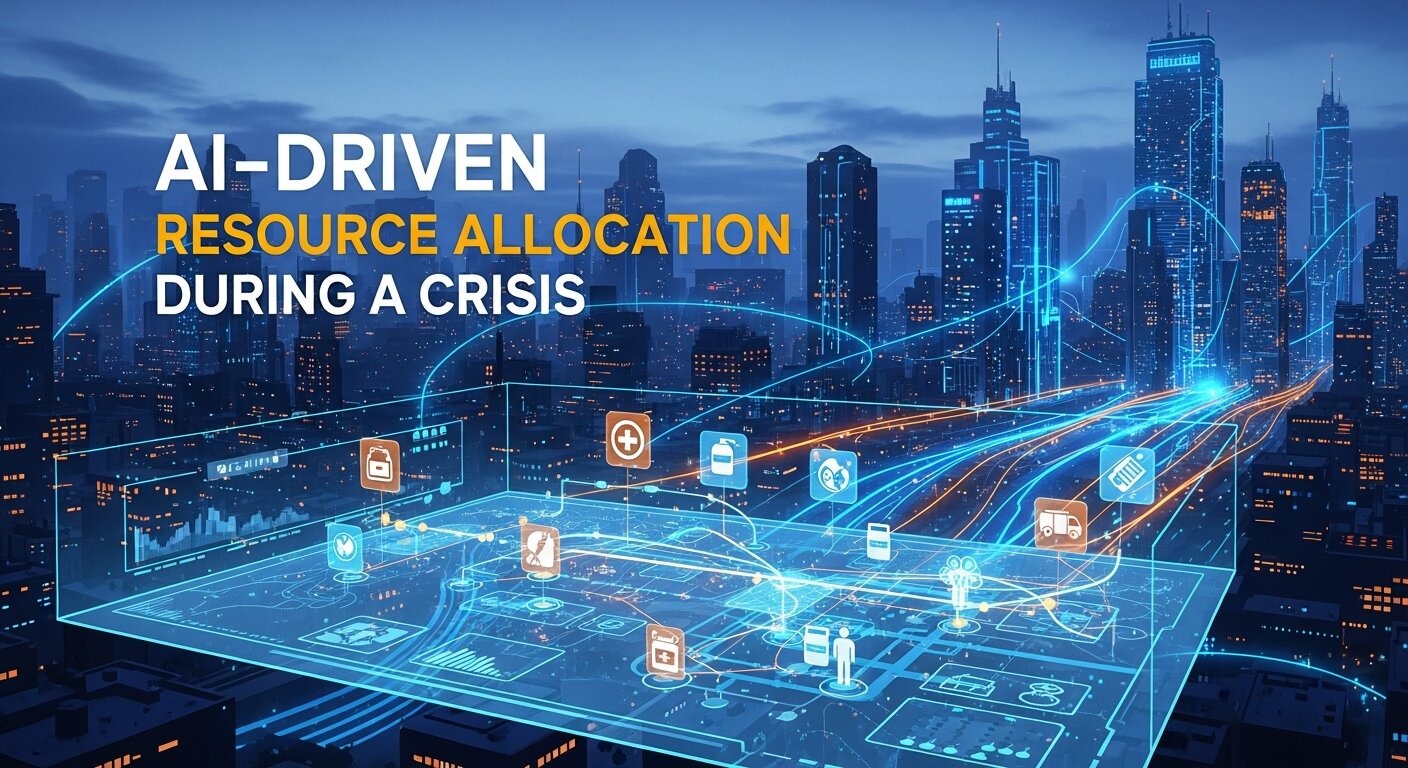 During a crisis, having the right resources in the right place at the right time can significantly influence the outcome. AI can help crisis management teams analyze real-time information about personnel, equipment, supplies, transportation, and operational capacity to identify where resources are most urgently needed. By combining current conditions with historical data and predictive models, AI systems can support faster and more efficient resource allocation decisions. For example, organizations can use AI to identify supply shortages, anticipate logistical delays, and prioritize critical locations during a large-scale emergency. This reduces waste and helps ensure that limited resources are directed toward the areas where they can have the greatest impact. Human decision-makers still maintain control, while AI provides the data-driven insights needed to act quickly and efficiently.
Improving Stakeholder Coordination with AI
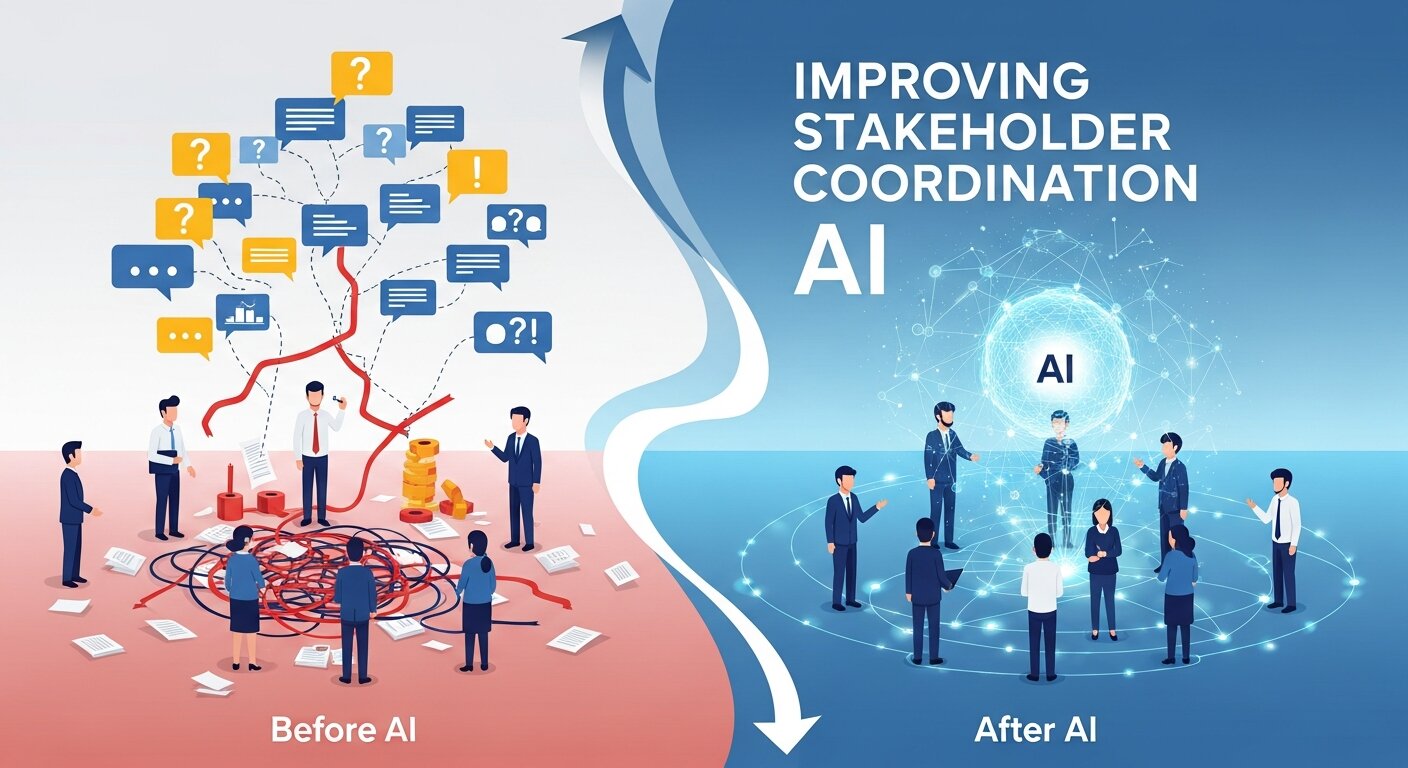 Effective stakeholder coordination is one of the most challenging aspects of crisis management. During a major incident, organizations may need to communicate with employees, customers, suppliers, government agencies, media representatives, and emergency responders at the same time. AI can help organize these communications by identifying key stakeholders, prioritizing urgent messages, and recommending the most appropriate communication channels. AI-powered systems can also track responses and identify information gaps, ensuring that important groups do not remain uninformed. By analyzing communication patterns and incoming feedback, these tools can help crisis teams understand whether their messages are being received and understood. This improves coordination, reduces confusion, and allows organizations to maintain more consistent communication throughout the crisis. Human oversight remains essential, but AI helps teams manage complex stakeholder networks more efficiently.
Frequently Asked Questions
What are crisis management services?
Crisis management services are professional services designed to help organizations prepare for, respond to, and recover from disruptive events. These services can include risk assessment, response planning, real-time incident coordination, communications support, and post-crisis analysis.
How is AI used in crisis management?
AI is used in crisis management to monitor data streams for early threat detection, analyze public sentiment during an event, automate routine response tasks, support decision-making with real-time dashboards, and generate post-crisis reports. The goal is to help crisis management teams act faster and more accurately.
Can AI replace human crisis managers?
No. AI augments human crisis management teams by handling data-heavy, repetitive, and time-sensitive tasks—but it cannot replace human judgment, ethical reasoning, or contextual understanding. Effective crisis management depends on combining AI’s analytical capabilities with experienced human leadership.
What types of crises can AI-powered tools help manage?
AI-powered crisis management tools are applicable across a wide range of scenarios, including natural disasters, cybersecurity incidents, public health events, operational disruptions, and reputational crises.
How does SanMo CA incorporate AI into its crisis management services?
SanMo CA integrates AI-driven tools across key crisis management functions—including threat monitoring, response coordination, stakeholder communications, and preparedness training—to deliver faster, more informed, and more effective support to clients.
Is AI crisis management only for large organizations?
No. While large enterprises have been early adopters, AI-enhanced crisis management services are increasingly accessible to mid-sized organizations as well. The key is selecting tools and service providers whose capabilities are proportionate to your organization’s size, risk profile, and resources.
Build a More Resilient Organization with SanMo CA
AI is changing crisis management in ways that are practical, measurable, and already happening across industries. Organizations that embrace these tools thoughtfully—combining AI’s analytical power with experienced human leadership—are better positioned to protect their people, their reputation, and their operations when it matters most.
SanMo CA provides crisis management services designed for the demands of the modern landscape. From AI-enhanced monitoring and preparedness planning to real-time response coordination and post-crisis recovery, our team brings the expertise and technology to help your organization navigate any challenge with confidence.
Ready to strengthen your crisis management framework? Connect with the SanMo CA team to learn how AI-driven solutions can work for your organization.