
When people want to learn about a brand, a public figure, or an organization, they usually start with a quick online search. Almost immediately, a Wikipedia article appears at the very top of the results. This digital encyclopedia has become the internet’s default fact-checker. Because it ranks so highly on search engines, the information contained in a Wikipedia article heavily influences how the public views a subject.
A poorly maintained page can damage an organization’s reputation. Outdated facts, unresolved controversies, or poorly cited information can quickly become the defining narrative for a brand. On the other hand, a well-structured, accurate, and neutral article establishes immediate credibility and trust with readers. This makes the accuracy of these pages incredibly important for anyone looking to maintain a positive public image.
This is exactly where Wikipedia Page Management becomes essential. By monitoring updates, ensuring compliance with strict editorial guidelines, and correcting inaccuracies, organizations can safeguard their digital footprint. Throughout this post, we will explore how proper management shapes public perception, the rules that govern the platform, and how the experts at SanMo CA navigate this complex ecosystem to protect your digital reputation.
Why Wikipedia Matters for Your Reputation
 Wikipedia is rarely just another link on a search results page. It is often the primary source of information used by journalists, investors, and everyday consumers.
High Search Engine Visibility
Search engines like Google prioritize Wikipedia because of its immense domain authority. When someone searches for your company name, your Wikipedia page will likely appear alongside or even above your official website. Google also pulls data directly from Wikipedia to populate its Knowledge Graph panels. These panels appear on the right side of the search results, giving users immediate answers without them ever needing to click a link. If the information in that panel is wrong, millions of people will see the error before you even realize it exists.
Trust and Credibility
People trust Wikipedia. The platform is built on transparency and peer review. Readers know that articles are heavily scrutinized by volunteer editors who demand reliable sources for every claim. Because the platform enforces a strict neutral point of view, readers view the information as objective rather than promotional. Having a presence on the site signals to the public that your organization is notable and significant enough to warrant an encyclopedia entry.
The Mechanics of Wikipedia Page Management
Successfully navigating Wikipedia requires a deep understanding of its rules. The platform operates on a unique set of community guidelines that can be difficult for newcomers to grasp. Wikipedia Page Management is not about writing a marketing brochure. It requires carefully curating factual information supported by independent evidence.
Adhering to Neutral Point of View (NPOV)
One of the core pillars of the platform is the Neutral Point of View policy. Every article must be written without bias. You cannot use overly positive adjectives or promotional language. If a company attempts to write its own page using marketing copy, the community of volunteer editors will quickly flag it for deletion or heavily rewrite it. Professional management ensures that the text remains strictly factual. This objective tone actually enhances your credibility. Readers are much more likely to trust a balanced, factual account of your company’s history than a heavily sanitized corporate press release.
Sourcing Reliable Independent Citations
Wikipedia does not care what you say about yourself. It only cares what independent, reliable sources say about you. Every claim on a page must be backed by a credible citation. This includes news articles from reputable publications, academic journals, or published books. Press releases, self-published blogs, and corporate websites are generally rejected as primary sources. Effective Wikipedia Page Management involves identifying the strongest independent coverage of your organization and using those sources to build a verifiable narrative.
How SanMo CA Approaches Wikipedia Page Management
Managing a Wikipedia presence requires a delicate balance of public relations strategy and strict adherence to community guidelines. The team at SanMo CA specializes in this exact intersection. We understand that your reputation is your most valuable asset, and we approach every project with transparency and ethical rigor.
Ethical Editing and Compliance
The Wikipedia community strongly discourages undisclosed conflict-of-interest editing. If a company tries to secretly edit its own page to remove negative information or add promotional content, it risks public backlash. Volunteer editors are highly skilled at identifying these attempts, and the resulting public relations disaster is often worse than the original issue. SanMo CA operates strictly within Wikipedia’s Terms of Use. We declare necessary conflicts of interest and work collaboratively with the volunteer community using the platform’s official “Talk” pages to propose factual, well-sourced updates. This ethical approach builds goodwill with the community and ensures that updates remain permanent.
Continuous Monitoring and Updates
Wikipedia is a living document. Anyone can edit a page at any time. This means your company’s narrative can change overnight. A disgruntled former employee, a competitor, or simply a misinformed user can alter the facts on your page. SanMo CA provides continuous monitoring services to detect these changes the moment they happen. If vandalism occurs or inaccurate information is added, our team acts quickly to revert the changes and provide the correct, properly cited information. We also ensure your page stays current by proposing updates as your company achieves new milestones, launches major products, or receives significant media coverage.
Common Pitfalls in Maintaining a Wikipedia Presence
Many organizations make critical mistakes when attempting to manage their own pages. These errors can lead to warning banners being placed at the top of the article, severely damaging the brand’s credibility.
Conflict of Interest Editing
As mentioned earlier, attempting to edit your own page directly is a major risk. Business owners naturally want to present their companies in the best possible light. This inherent bias makes it nearly impossible for them to write neutrally. When leaders try to force marketing language into an article, they trigger immediate suspicion from the editorial community.
Vandalism and Inaccurate Information
Because the platform is open to the public, vandalism is a constant threat. While obvious vandalism (like replacing text with profanity) is usually caught quickly by automated bots, subtle inaccuracies can easily slip through the cracks. A minor change to a date, a misquoted financial figure, or a slightly altered historical fact can sit on a page for months if nobody is actively monitoring it. Over time, these small errors compound, leading to a distorted public perception of the organization.
Understanding Wikipedia Notability Guidelines
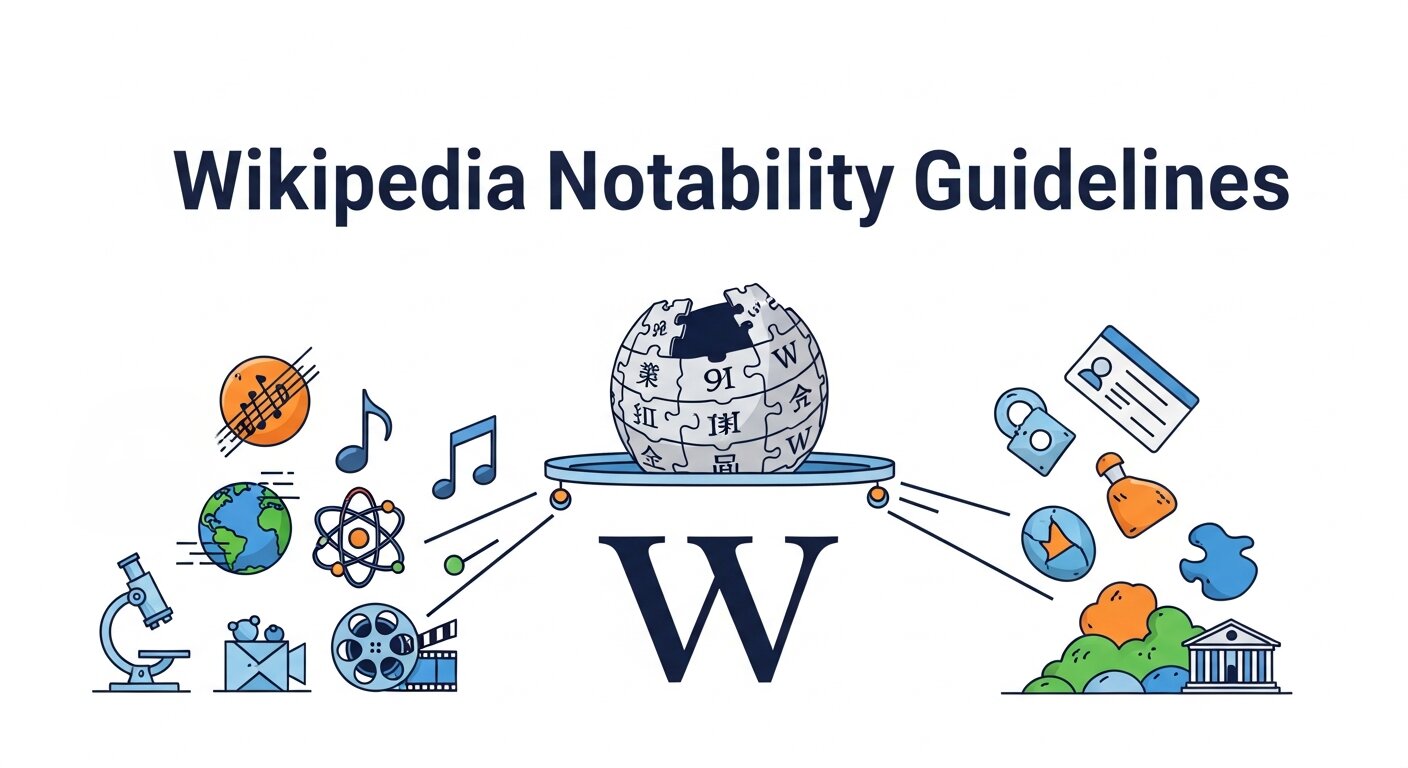 Before a Wikipedia page can exist, the subject must meet strict notability guidelines. This means your brand, organization, or public figure profile must have significant coverage in reliable, independent sources. Wikipedia does not accept self-promotion or trivial mentions. Articles must be based on verifiable information published by reputable media outlets, books, or academic sources. Many pages get rejected because they fail to meet this requirement. Understanding notability helps you avoid wasted effort and frustration. It also ensures that your page has a strong foundation from the start. By focusing on building a credible media presence first, you increase your chances of successfully maintaining a Wikipedia page long-term.
Creating a Structured Wikipedia Article
A well-structured Wikipedia page improves readability and credibility. Articles typically follow a standard format, including an introduction, history, achievements, and references. Each section must present information clearly and logically. Avoid adding unnecessary details or promotional language. Instead, focus on factual, well-organized content supported by citations. Proper formatting also includes internal links, headings, and consistent citation styles. This structure helps both readers and editors navigate the content easily. A clean layout makes your page look professional and trustworthy. By following Wikipedia’s structural standards, you not only improve user experience but also reduce the chances of your page being flagged or edited negatively.
The Role of Talk Pages in Editing
Talk pages are an essential part of Wikipedia’s editing system. They allow editors to discuss proposed changes before updating the main article. This is especially important for organizations managing their own pages. Instead of making direct edits, you can suggest updates on the Talk page with proper sources and explanations. This approach shows transparency and respect for the community guidelines. Other editors review your suggestions and decide whether they should be implemented. Using Talk pages effectively reduces conflicts and increases the likelihood of your changes being accepted. It also helps build a positive relationship with the editor community, which is crucial for long-term page stability.
Importance of Regular Content Audits
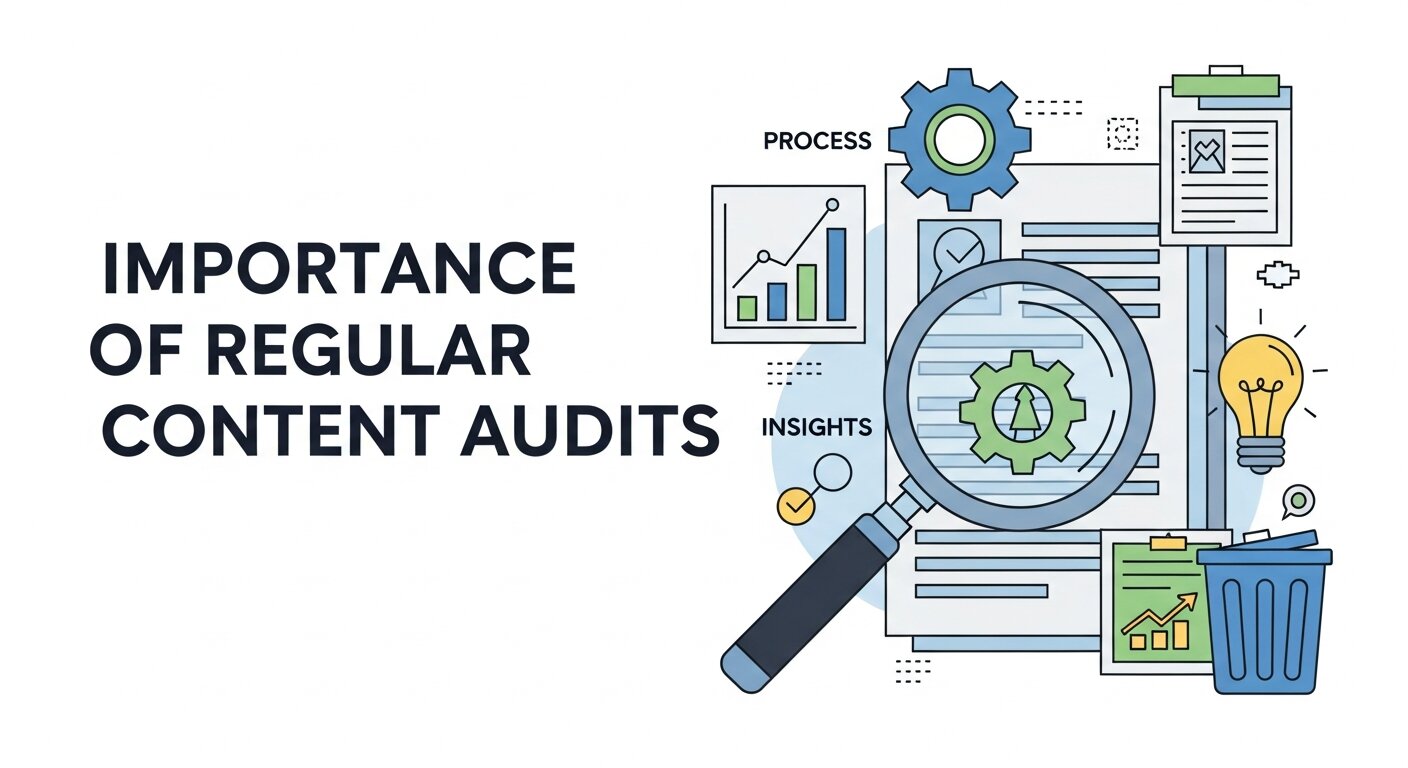 A Wikipedia page should never be left unattended for long periods. Regular content audits help ensure that all information remains accurate, relevant, and properly sourced. Over time, links may break, data may become outdated, and new developments may need to be added. Conducting periodic reviews allows you to identify these issues early. It also helps maintain the overall quality and credibility of the article. During an audit, check for citation reliability, factual accuracy, and neutrality of tone. Keeping your page updated demonstrates responsibility and professionalism. Consistent audits are a key part of effective Wikipedia Page Management and help prevent long-term reputational risks.
Handling Disputes with Wikipedia Editors
Disagreements with editors are common on Wikipedia. Since the platform is community-driven, different contributors may have varying opinions about what should be included. Handling these disputes professionally is essential. Avoid emotional responses or aggressive behavior. Instead, rely on facts, credible sources, and clear communication. Present your arguments logically and respectfully on the Talk page. Wikipedia values consensus, so finding common ground is often the best approach. If conflicts escalate, you can seek mediation from experienced editors or administrators. Managing disputes calmly not only protects your page but also strengthens your credibility within the community. Respectful collaboration leads to better long-term results.
Protecting Your Page from Vandalism
Vandalism is an ongoing challenge on Wikipedia due to its open editing model. While automated bots handle obvious issues, subtle vandalism can go unnoticed. This includes incorrect data, misleading statements, or biased edits. Protecting your page requires consistent monitoring and quick action. Set up alerts to track changes and review edits regularly. If you notice suspicious updates, revert them promptly and provide correct information with reliable sources. In some cases, pages can be semi-protected to limit edits from unregistered users. Staying proactive ensures your page remains accurate and trustworthy. Effective protection strategies are essential to maintaining a strong and credible online presence.
Integrating Wikipedia with Your Digital Strategy
 Wikipedia should not exist in isolation from your overall digital strategy. It works best when aligned with your public relations and content marketing efforts. Positive media coverage, press mentions, and industry recognition all contribute to a stronger Wikipedia presence. These external sources provide the citations needed to support your page. At the same time, a well-maintained Wikipedia article enhances your brand’s credibility across other platforms. It acts as a trusted reference point for journalists, clients, and partners. By integrating Wikipedia into your broader strategy, you create a consistent and reliable digital footprint that supports long-term growth and reputation management.
Frequently Asked Questions
What is Wikipedia Page Management?
Wikipedia Page Management is the process of monitoring, updating, and maintaining a Wikipedia article to ensure it remains factually accurate, properly sourced, and compliant with the platform’s strict editorial guidelines. It involves tracking edits, correcting vandalism, and proposing updates using reliable independent sources.
Can anyone edit a Wikipedia page?
Yes, the vast majority of Wikipedia pages can be edited by anyone with an internet connection. This collaborative model is what makes the platform so expansive, but it also means that pages are highly susceptible to inaccuracies, bias, and vandalism.
How does SanMo CA help with Wikipedia?
SanMo CA provides ethical, compliant management services. We monitor your page around the clock for unauthorized changes, draft neutral and properly sourced content updates, and work transparently with the volunteer editor community to ensure your digital footprint remains accurate and credible.
Can I just delete my Wikipedia page if I don’t like it?
No. You do not own your Wikipedia page. Once a subject meets the platform’s notability guidelines and a page is created, it belongs to the community. You cannot simply request its deletion because you are unhappy with the content. The only way to improve it is by proposing factual, well-sourced corrections.
Take Control of Your Digital Footprint
Public perception is shaped by the information people find online. With Wikipedia consistently dominating search results, you cannot afford to ignore what the platform says about your organization. Accurate, neutral, and well-sourced information builds instant credibility, while neglected pages invite reputational risk.
By engaging in professional Wikipedia Page Management, you protect your brand from inaccuracies and ensure that the public sees a truthful representation of your achievements. Don’t leave your digital reputation to chance. Reach out to the experts at SanMo CA today to learn how we can help you ethically manage your Wikipedia presence and safeguard your public image.