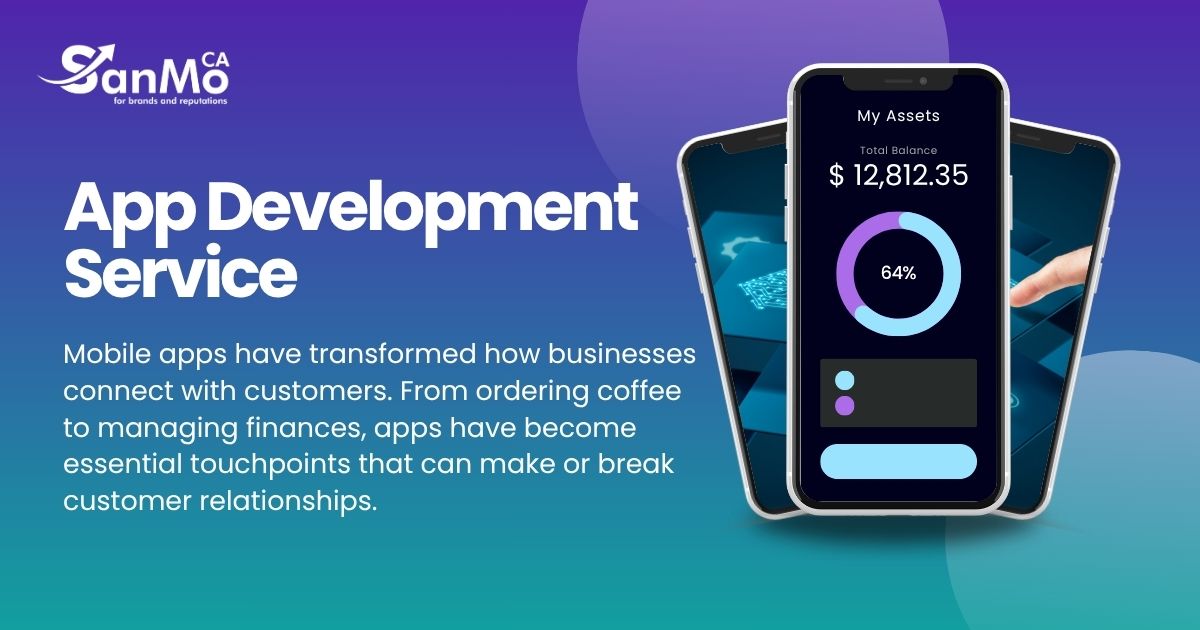
Mobile apps have transformed how businesses connect with customers. From ordering coffee to managing finances, apps have become essential touchpoints that can make or break customer relationships. Yet many companies still hesitate to invest in professional app development, often viewing it as an unnecessary expense rather than a strategic investment.
The reality is stark: businesses without a mobile presence risk losing customers to competitors who offer seamless digital experiences. Professional app development services bridge this gap by creating custom solutions that align with business goals, user needs, and technical requirements.
This guide explores why partnering with an app development service can accelerate your business growth, what to expect from the development process, and how to choose the right partner for your project.
The Business Case for Professional App Development
Revenue Growth Through Direct Sales Channels
Mobile apps create direct revenue streams that bypass third-party platforms and their associated fees. E-commerce apps enable businesses to sell products without paying marketplace commissions, while service-based apps can facilitate bookings, consultations, and subscription services.
Professional app development services understand how to implement secure payment gateways, optimize checkout processes, and create user experiences that convert browsers into buyers. They also build in analytics tools that help track user behavior and optimize for higher conversion rates.
Enhanced Customer Engagement and Retention
Apps provide unparalleled opportunities for customer engagement through push notifications, personalized content, and loyalty programs. Unlike websites that require users to remember URLs or search for your business, apps maintain a constant presence on users’ devices.
Development services create engagement strategies tailored to your industry and customer base. They implement features like user profiles, preference settings, and behavior tracking that enable personalized experiences at scale.
Competitive Advantage in Your Market
Many industries still have limited mobile app adoption, creating opportunities for early movers to establish market leadership. Professional app development services conduct competitive analysis to identify gaps in the market and create features that differentiate your app from existing solutions.
They also stay current with emerging technologies like augmented reality, artificial intelligence, and Internet of Things integration, helping businesses adopt innovations before competitors.
Core Services Offered by App Development Companies
Strategy and Planning
Professional app development begins with comprehensive strategy sessions that define project scope, target audience, and success metrics. Development teams conduct market research, user persona development, and feature prioritization to create detailed project roadmaps.
This planning phase prevents costly changes during development and ensures the final product aligns with business objectives. Many companies also provide competitive analysis and technology stack recommendations based on project requirements.
User Experience and Interface Design
Design services focus on creating intuitive, visually appealing interfaces that guide users toward desired actions. Professional designers understand platform-specific design guidelines for iOS and Android, ensuring apps feel native to each operating system.
The design process typically includes wireframing, prototyping, and user testing to validate design decisions before development begins. This iterative approach reduces development time and improves user satisfaction with the final product.
Custom Development and Programming
Development teams build apps using modern frameworks and programming languages suited to project requirements. They implement backend systems, databases, and APIs that support app functionality while maintaining security and performance standards.
Professional services also handle complex integrations with existing business systems, third-party services, and payment processors. This technical expertise ensures apps work seamlessly within your existing technology ecosystem.
Quality Assurance and Testing
Comprehensive testing identifies bugs, performance issues, and usability problems before app launch. Testing services include functional testing, performance testing, security testing, and device compatibility testing across multiple platforms and operating system versions.
Professional teams use automated testing tools and manual testing processes to ensure apps perform reliably under various conditions. They also conduct user acceptance testing to validate that apps meet business requirements.
The App Development Process Explained
Discovery and Requirements Gathering
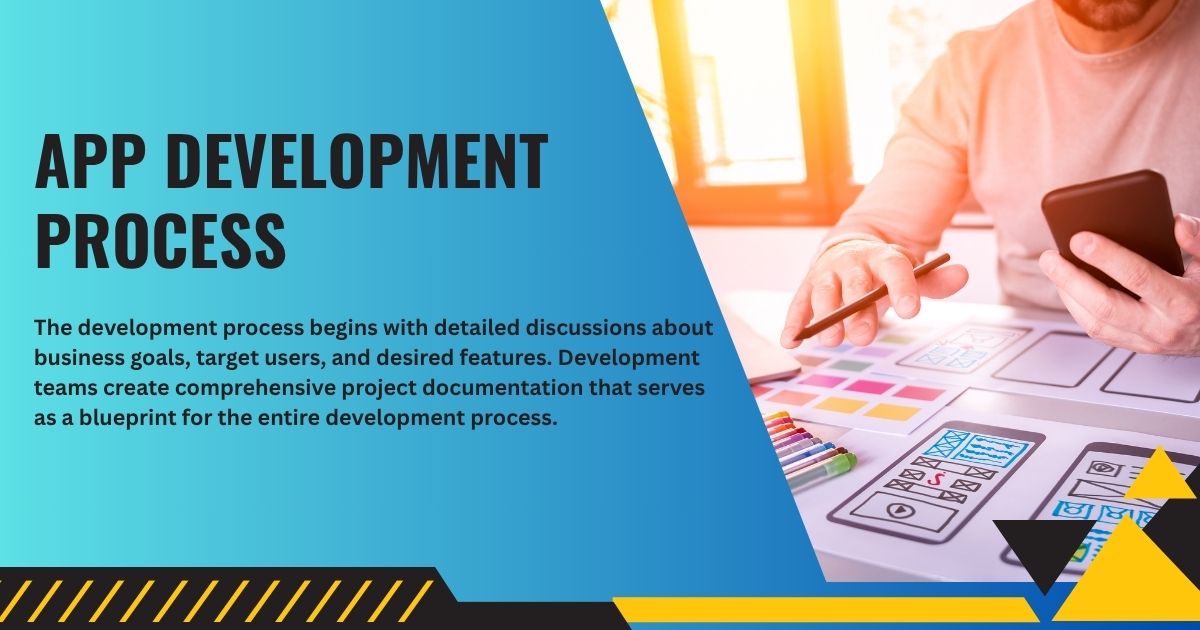
The development process begins with detailed discussions about business goals, target users, and desired features. Development teams create comprehensive project documentation that serves as a blueprint for the entire development process.
This phase typically takes 2-4 weeks and includes stakeholder interviews, competitive analysis, and technical feasibility assessments. Clear requirements documentation prevents scope creep and ensures all team members understand project objectives.
Design and Prototyping
Design teams create visual mockups and interactive prototypes that demonstrate app flow and functionality. This phase allows stakeholders to experience the app before development begins and provide feedback on design decisions.
Prototyping typically takes 3-6 weeks depending on app complexity. Many development services create clickable prototypes that can be tested on actual devices to simulate the final user experience.
Development and Implementation
The development phase involves building the app according to approved designs and requirements. Development teams typically work in sprints, delivering working features every 2-3 weeks for stakeholder review and feedback.
This iterative approach allows for course corrections during development and ensures the final product meets expectations. Development timelines vary based on complexity but typically range from 3-9 months for most business apps.
Testing and Launch Preparation
Before launch, apps undergo comprehensive testing to identify and resolve issues. Testing teams validate functionality across different devices, operating systems, and usage scenarios.
Launch preparation includes app store optimization, submission to app stores, and creation of marketing materials. Development services often provide launch support to ensure smooth deployment and initial user onboarding.
Key Technologies and Platforms
Native vs. Cross-Platform Development
Native apps are built specifically for iOS or Android using platform-specific programming languages and tools. This approach provides optimal performance and access to all device features but requires separate development for each platform.
Cross-platform development uses frameworks that allow code sharing between platforms, reducing development time and cost. However, this approach may involve performance trade-offs and limited access to newer platform features.
Backend Infrastructure and Cloud Services
Modern apps require robust backend systems to handle user data, content management, and business logic. Professional development services design scalable backend architectures using cloud platforms like AWS, Google Cloud, or Microsoft Azure.
These systems support features like user authentication, data synchronization, push notifications, and analytics collection. Cloud-based infrastructure allows apps to scale automatically as user bases grow.
Integration Capabilities
Apps often need to integrate with existing business systems like customer relationship management software, inventory management systems, or marketing automation platforms. Development services have experience with various APIs and integration methods.
They also implement analytics tools, crash reporting systems, and performance monitoring solutions that provide insights into app usage and technical performance.
Choosing the Right App Development Partner
Portfolio and Experience Evaluation
Review potential partners’ previous work to assess design quality, technical complexity, and industry experience. Look for apps similar to your project requirements and evaluate their performance in app stores.
Experience in your specific industry can be valuable but isn’t always necessary if the development team demonstrates strong problem-solving skills and technical expertise across various sectors.
Development Process and Communication
Understanding how development teams manage projects, communicate progress, and handle changes is crucial for successful partnerships. Look for companies that provide regular updates, transparent timelines, and clear change management processes.
Many successful projects involve weekly status calls, shared project management tools, and documented decision-making processes that keep all stakeholders aligned throughout development.
Post-Launch Support and Maintenance
Apps require ongoing updates to address bugs, security vulnerabilities, and compatibility issues with new operating system versions. Evaluate potential partners’ post-launch support offerings and response times for critical issues.
Some development services offer comprehensive maintenance packages that include regular updates, performance monitoring, and feature enhancements based on user feedback and changing business needs.
Measuring Success and Return on Investment
Key Performance Indicators
Successful app projects require clear success metrics established during the planning phase. Common KPIs include user acquisition rates, user retention rates, conversion rates, and revenue per user.
Professional development services help implement analytics tools that track these metrics and provide insights into user behavior patterns. Regular performance reviews help identify optimization opportunities and guide future feature development.
Long-Term Business Impact
Apps can transform business operations beyond direct revenue generation. They improve customer service efficiency, reduce operational costs, and provide valuable customer data for business intelligence.
Measuring long-term impact requires tracking metrics like customer lifetime value, customer support ticket reduction, and operational efficiency improvements. These benefits often exceed initial app development investments within the first year.
Transform Your Business with Professional App Development
Professional app development services provide the expertise, resources, and strategic guidance necessary to create successful mobile applications. They navigate complex technical challenges while focusing on user experience and business objectives.
The decision to invest in professional app development often determines the difference between apps that succeed and those that fail to gain traction. By partnering with experienced development teams, businesses can accelerate time to market, reduce development risks, and create apps that truly serve their customers and business goals.
Ready to explore how a custom app could transform your business? Start by defining your goals, identifying your target users, and researching development partners with relevant experience. The investment in professional app development often pays dividends through increased revenue, improved customer relationships, and competitive advantages that last for years.