Email might seem outdated compared to flashy social media platforms and emerging digital channels, but smart businesses know better. With an average ROI of $42 for every dollar spent, email marketing continues to outperform virtually every other marketing channel available today.
The numbers speak volumes. Over 4 billion people use email daily, and that figure is projected to reach 4.6 billion by 2025. Unlike social media algorithms that constantly change or paid advertising costs that keep climbing, email gives you direct access to your audience’s inbox. You own that relationship.
This comprehensive guide explores why email marketing remains essential for businesses of all sizes, how to implement effective strategies, and what trends are shaping the future of email campaigns.
The Enduring Power of Email Marketing
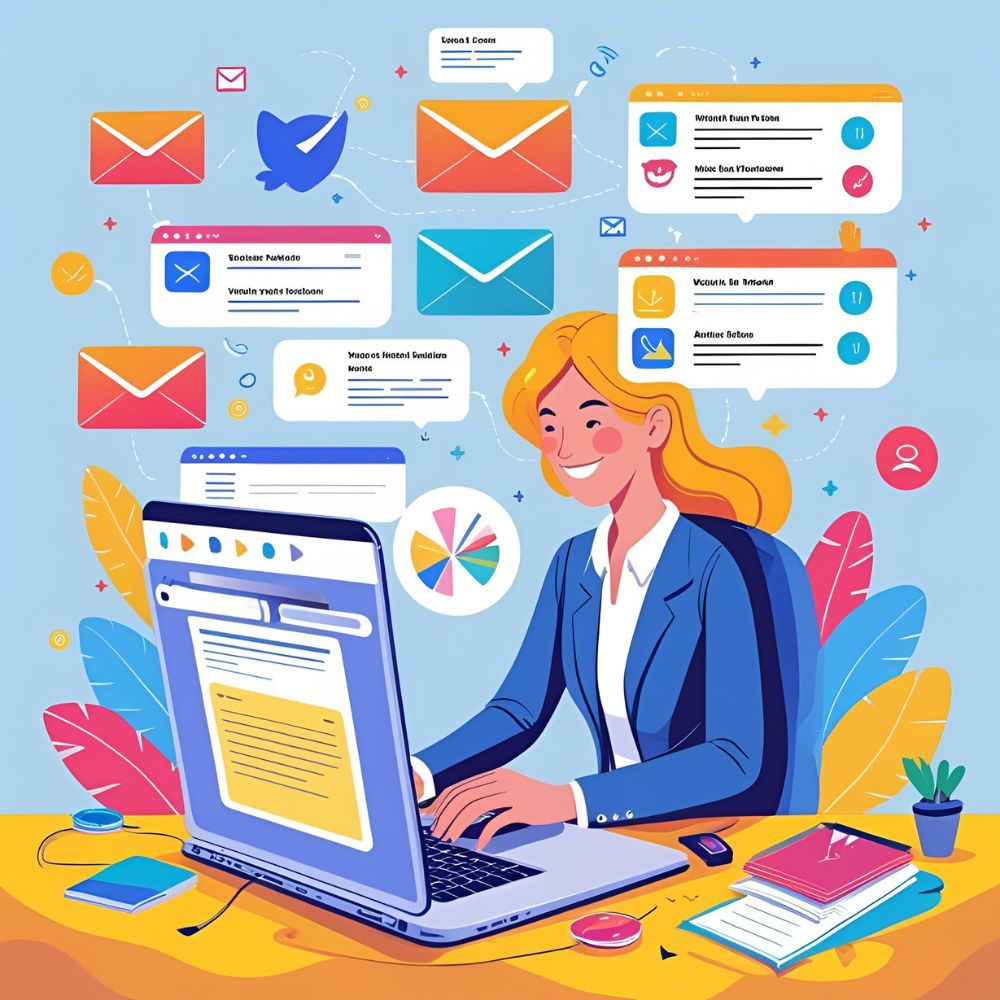
Email marketing has survived every digital disruption for good reason. While other channels come and go, email provides unmatched stability and reach.
Consider the platform-independent email offers. Your Instagram account could be suspended tomorrow, or a Facebook algorithm change could tank your organic reach overnight. Email subscribers, however, belong to you. This owned media gives businesses control over their marketing destiny in ways that rented social media space simply cannot match.
The generational appeal of email also defies common assumptions. Yes, younger consumers use messaging apps and social platforms heavily, but they still check email regularly. Millennials and Gen Z consumers actually prefer email for business communications and promotional content they’ve specifically requested.
Email Marketing vs. Other Digital Channels
Understanding how email stacks up against other marketing channels helps illustrate its unique advantages.
Email vs. Social Media Marketing
Social media excels at brand awareness and community building, but email dominates conversion rates. The average email conversion rate hovers around 3%, while social media typically converts at less than 1%. Email subscribers have already expressed interest in your brand, making them significantly more likely to purchase.
Social platforms also limit your message length and format options. Email campaigns can tell complete stories, showcase detailed product information, and guide subscribers through complex decision-making processes.
Email vs. Paid Advertising
Paid advertising delivers immediate visibility but requires constant investment. Stop paying, and your reach disappears instantly. Email marketing involves upfront effort to build your list, but those subscribers continue providing value long after the initial investment.
Cost efficiency heavily favors email as well. While Google Ads or Facebook advertising costs fluctuate based on competition and platform changes, email costs remain relatively stable and predictable.
Building an Effective Email Marketing Strategy
Success with email marketing requires more than just sending occasional newsletters. Effective strategies focus on delivering consistent value while guiding subscribers toward meaningful actions.
Segmentation and Personalization
Generic mass emails generate mediocre results. Today’s email marketing thrives on segmentation and personalization. Divide your list based on purchase history, engagement levels, demographics, or behavior patterns. A clothing retailer might segment by gender, style preferences, and seasonal shopping habits.
Personalization extends beyond using someone’s first name. Recommend products based on browsing history, send birthday discounts, or share content aligned with expressed interests. These targeted approaches can increase email revenue by up to 760%.
Automation and Drip Campaigns
Email automation handles routine communications while maintaining a personal touch. The welcome series introduces new subscribers to your brand values and best products. Abandoned cart emails recover lost sales by reminding customers about items they showed interest in purchasing.
Educational drip campaigns nurture leads over time, gradually building trust and demonstrating expertise. A financial advisor might send weekly tips about retirement planning, establishing credibility before pitching their services.
Mobile Optimization
More than half of all emails are opened on mobile devices, making mobile optimization non-negotiable. Responsive design ensures your emails look professional on smartphones and tablets. Keep subject lines under 40 characters for mobile preview, use single-column layouts, and make buttons large enough for thumb navigation.
Measuring Email Marketing Success
Tracking the right metrics separates successful email marketers from those who waste time and money on ineffective campaigns.
Key Performance Indicators
Open rates indicate how compelling your subject lines are and whether you’re reaching engaged subscribers. Industry averages hover around 20-25%, but this varies significantly by sector. B2B companies often see higher open rates than retail businesses.
Click-through rates measure how well your email content motivates action. Strong CTRs typically range from 2-5%, depending on your industry and list quality. Focus on improving both metrics together, as high open rates mean nothing without clicks.
Conversion rates matter most for business results. Track not just email clicks, but actual purchases, sign-ups, or other desired actions. This reveals which email types and segments generate real business value.
Advanced Analytics
Beyond basic metrics, examine subscriber lifetime value, list growth rates, and unsubscribe patterns. Healthy email programs show steady list growth with low churn rates. If unsubscribes spike after specific campaigns, analyze what went wrong and adjust your approach.
Heat mapping tools reveal which email sections get the most attention, helping optimize layout and content placement for better results.
Common Email Marketing Mistakes to Avoid
Even experienced marketers fall into traps that undermine their email effectiveness.
Over-Mailing and Under-Delivering
Bombarding subscribers with daily promotional emails quickly leads to unsubscribes and spam complaints. Find the right frequency for your audience through testing. Many businesses discover that 2-3 valuable emails per week outperform daily sales pitches.
Content quality matters more than quantity. One well-crafted, helpful email generates better results than five rushed promotional messages.
Ignoring Deliverability
The best email content means nothing if it never reaches inboxes. Maintain a good sender reputation by using authenticated domains, keeping spam complaint rates below 0.1%, and regularly cleaning your list of inactive subscribers.
Avoid spam trigger words in subject lines and content. Phrases like “guaranteed,” “act now,” or excessive punctuation can land your emails in spam folders regardless of content quality.
Neglecting List Hygiene
Large email lists look impressive but mean little if subscribers aren’t engaged. Regularly remove inactive subscribers who haven’t opened emails in 6+ months. This improves deliverability rates and provides more accurate performance metrics.
Re-engagement campaigns can win back some inactive subscribers before removing them entirely. Offer special incentives or ask directly if they want to continue receiving emails.
Future Trends in Email Marketing
Email marketing continues evolving with new technologies and changing consumer expectations.
Artificial Intelligence Integration
AI enhances email marketing through predictive analytics, content optimization, and send-time optimization. Machine learning algorithms can predict which subscribers are most likely to engage with specific content types, allowing for more precise targeting.
Dynamic content generation uses AI to customize email elements in real-time based on subscriber data and behavior patterns.
Interactive Email Elements
Modern email clients support interactive features like surveys, shopping carts, and appointment booking directly within emails. These reduce friction by eliminating the need to visit separate websites for simple actions.
AMP for Email enables truly dynamic content that updates in real-time, showing current product availability, pricing, or event information without requiring email refreshes.
Getting Started with Professional Email Marketing
Success begins with choosing the right email marketing platform for your needs and budget. Look for services that offer automation capabilities, detailed analytics, and good deliverability rates.
Focus initially on building a quality subscriber list through valuable lead magnets rather than purchasing email lists. Organic growth takes longer but generates far better engagement and conversion rates.
Create a content calendar that balances promotional messages with educational or entertaining content. Subscribers who find consistent value in your emails become your most loyal customers and brand advocates.
SanMo ca specializes in helping businesses develop comprehensive email marketing strategies that drive real results. Our team understands the nuances of effective email campaigns and can help you avoid common pitfalls while maximizing your return on investment.
Your Next Steps in Email Marketing Excellence
Email marketing success requires consistent effort and strategic thinking, but the rewards justify the investment. Start by auditing your current email practices and identifying areas for improvement.
Test different subject lines, send times, and content formats to discover what resonates with your specific audience. Remember that email marketing is both an art and a science—creativity matters as much as data analysis.
The businesses that thrive with email marketing treat it as a long-term relationship-building tool rather than a quick sales channel. Focus on providing value, and the sales will naturally follow.