Building software that drives business growth requires more than just technical skills. It demands strategic thinking, industry expertise, and a deep understanding of your users’ needs. For many companies, partnering with a software development service provider offers the perfect solution to bridge the gap between ambitious ideas and successful execution.
Software development services encompass everything from mobile app creation to enterprise-level system integration. These specialized companies bring together teams of developers, designers, project managers, and quality assurance experts to transform your vision into reality. Whether you’re a startup looking to build your first product or an established enterprise seeking to modernize legacy systems, understanding how these services work can save you time, money, and countless headaches.
This guide will walk you through everything you need to know about software development services, from choosing the right partner to managing successful projects that deliver real business value.
What Are Software Development Services?
Software development services are specialized companies or teams that design, build, and maintain software applications for other businesses. These services range from simple website development to complex enterprise software solutions, mobile applications, and cloud-based platforms.
Most software development service providers offer end-to-end solutions that include planning, design, development, testing, deployment, and ongoing maintenance. They work as an extension of your team, bringing technical expertise and proven processes to help you achieve your software goals faster and more efficiently than building an in-house team from scratch.
The scope of these services typically includes web applications, mobile apps for iOS and Android, desktop software, API development, database design, cloud migration, and system integration. Many providers also offer specialized services like artificial intelligence implementation, blockchain development, and Internet of Things (IoT) solutions.
Types of Software Development Services
Custom Software Development
Custom software development involves creating tailored solutions specifically for your business needs. Unlike off-the-shelf software, these applications are built from the ground up to match your unique requirements, workflows, and business processes.
This approach offers maximum flexibility and scalability, allowing you to add features and modify functionality as your business grows. Custom software typically provides better integration with existing systems and can give you a competitive advantage through unique features that aren’t available to your competitors.
Mobile App Development
Mobile app development services focus on creating applications for smartphones and tablets. This includes native apps built specifically for iOS or Android platforms, as well as cross-platform solutions that work across multiple operating systems.
Professional mobile app developments understand platform-specific design guidelines, performance optimization techniques, and app store requirements. They can help you navigate the complex process of app submission and ensure your application meets all technical and compliance standards.
Web Development Services
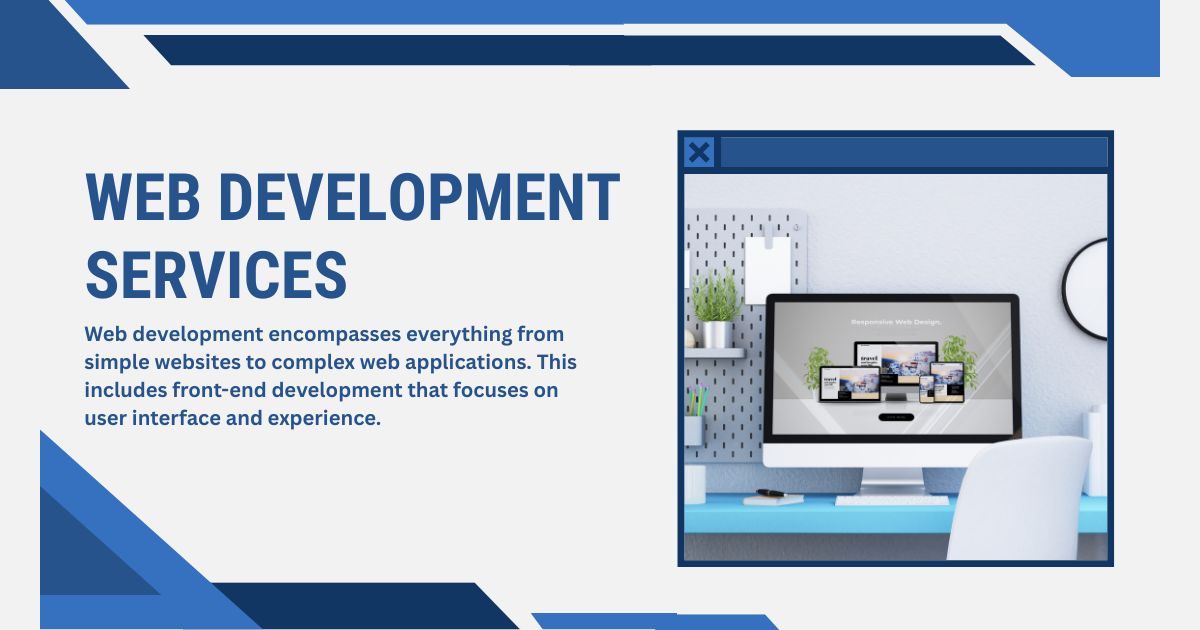
Web development encompasses everything from simple websites to complex web applications. This includes front-end development that focuses on user interface and experience, back-end development that handles server-side functionality, and full-stack development that covers both areas.
Modern web development services often include responsive design to ensure your application works seamlessly across all devices, search engine optimization to improve visibility, and security measures to protect user data and prevent cyber attacks.
Enterprise Software Solutions
Enterprise software development focuses on large-scale applications that serve entire organizations. These solutions often involve complex integrations with existing systems, advanced security requirements, and the ability to handle thousands of concurrent users.
Enterprise developers specialize in technologies and frameworks that can scale to meet demanding requirements while maintaining performance and security standards. They understand compliance requirements for different industries and can build solutions that meet regulatory standards.
Benefits of Outsourcing Software Development
Cost Efficiency
Outsourcing software development can significantly reduce costs compared to building an in-house team. You avoid expenses related to recruitment, training, benefits, office space, and equipment. Additionally, you only pay for the services you need, when you need them, rather than maintaining full-time salaries during slower periods.
Development service providers often operate in regions with lower labor costs, allowing them to offer competitive rates while maintaining high-quality standards. This geographic arbitrage can result in substantial savings without compromising on expertise or deliverables.
Access to Specialized Expertise
Software development companies employ specialists across multiple technologies, frameworks, and industries. This means you gain access to experts in areas like artificial intelligence, blockchain, cloud computing, and cybersecurity without having to hire full-time specialists for each domain.
These teams stay current with the latest technologies and best practices through continuous learning and diverse project experience. They bring knowledge from working with various clients and industries, often identifying solutions and optimizations that internal teams might miss.
Faster Time to Market
Experienced development teams can often deliver projects faster than newly assembled in-house teams. They have established workflows, proven methodologies, and existing code libraries that accelerate development timelines.
Professional development services also understand how to avoid common pitfalls and technical debt that can slow down projects. Their experience with similar projects helps them anticipate challenges and implement solutions more efficiently.
Scalability and Flexibility
Outsourcing allows you to scale your development capacity up or down based on project requirements. You can quickly add specialists for specific phases of development or scale back during maintenance periods without the complications of hiring and layoffs.
This flexibility is particularly valuable for businesses with varying development needs or those working on multiple projects simultaneously. You can allocate resources where they’re most needed without maintaining large permanent teams.
How to Choose the Right Software Development Partner
Evaluate Technical Expertise
Start by assessing whether the development team has experience with the technologies and platforms relevant to your project. Look for companies that demonstrate deep knowledge in your required programming languages, frameworks, databases, and third-party integrations.
Review their portfolio to understand the complexity and scale of projects they’ve successfully completed. Pay attention to whether they’ve worked on similar projects in your industry or with comparable technical requirements.
Consider Communication and Collaboration
Effective communication is crucial for successful software development projects. Evaluate how responsive and clear potential partners are during initial discussions. Consider factors like time zone differences, language barriers, and their preferred communication tools and frequencies.
Look for teams that emphasize collaboration and transparency in their processes. They should be willing to provide regular updates, involve you in key decisions, and adapt their communication style to match your preferences.
Review Their Development Process
Understanding a company’s development methodology helps you assess whether they’ll be a good fit for your project style and timeline. Some companies follow agile methodologies that emphasize iterative development and frequent feedback, while others may use more traditional waterfall approaches.
Ask about their quality assurance processes, testing procedures, and how they handle bug fixes and revisions. A solid development process should include code reviews, automated testing, and clear documentation standards.
Assess Project Management Capabilities
Strong project management ensures your software development stays on track, within budget, and meets your requirements. Look for companies that assign dedicated project managers and use established project management tools and methodologies.
Evaluate their approach to scope management, timeline estimation, and how they handle changes or unexpected challenges. Good project management includes regular status updates, milestone tracking, and proactive communication about potential issues.
Managing Software Development Projects Successfully

Define Clear Requirements
Successful software projects start with detailed, well-documented requirements. Work with your development team to create comprehensive specifications that outline functionality, user interface expectations, performance requirements, and integration needs.
Include user stories or use cases that describe how different types of users will interact with your software. The more specific and detailed your requirements, the less likely you’ll encounter surprises or scope creep during development.
Establish Communication Protocols
Set up regular communication schedules that work for both your team and your development partner. This might include daily stand-up meetings, weekly progress reviews, and milestone demonstrations where you can see working versions of your software.
Choose communication tools that allow for efficient collaboration, file sharing, and documentation. Many teams use project management platforms that provide visibility into progress, timelines, and deliverables.
Plan for Testing and Quality Assurance
Quality assurance should be integrated throughout the development process, not just at the end. Work with your development team to establish testing protocols that include functional testing, performance testing, security testing, and user acceptance testing.
Plan time for multiple rounds of testing and revisions. It’s normal for software to require several iterations before it meets all requirements and performs optimally under real-world conditions.
Prepare for Launch and Maintenance
Successful software launches require careful planning for deployment, user training, and ongoing maintenance. Discuss post-launch support options with your development team, including bug fixes, feature updates, and technical support.
Consider creating documentation for end users and administrators, establishing backup and recovery procedures, and planning for future scalability as your user base grows.
Making Software Development Work for Your Business
Software development services offer a powerful way to bring your digital ideas to life without the overhead and complexity of building internal development teams. The key to success lies in choosing the right partner, clearly defining your requirements, and maintaining open communication throughout the development process.
Start by identifying your specific needs and budget constraints. Research potential partners thoroughly, focusing on their technical expertise, communication style, and track record with similar projects. Remember that the cheapest option isn’t always the best value—consider the total cost of ownership, including ongoing maintenance and potential revisions.
Ready to explore software development services for your next project? Begin by documenting your requirements and reaching out to potential partners for initial consultations. Most reputable development companies offer free project assessments that can help you understand the scope, timeline, and investment required to bring your software vision to reality.