Your name is searchable. Right now, anyone—a potential employer, a first date, a business partner—can type your name into Google and form an opinion about you before you’ve said a single word. That’s the reality of having a digital footprint, and it’s why personal reputation management has become one of the most important skills you can develop.
The good news? You don’t need to be a PR professional or a tech expert to take control of your online image. With the right strategies and a bit of consistency, you can shape the narrative around your name, suppress unwanted content, and build a presence that accurately reflects who you are.
This guide walks you through exactly how to do that—from conducting your first reputation audit to building a long-term personal brand strategy. Whether you’re starting from scratch or trying to recover from a damaging search result, these steps will help you protect what matters most: your reputation.
What Is Personal Reputation Management?
Personal reputation management is the process of monitoring, influencing, and controlling how you appear online. It covers everything from what shows up when someone Googles your name to how you present yourself across social media platforms and professional networks.
Think of it as the digital version of first impressions. You’ve always managed your reputation in person—through your behavior, communication style, and the company you keep. Online, the same principles apply, but the stakes are higher. A single negative article, an old social media post, or a misattributed review can follow you for years.
Effective personal reputation management involves three core activities:
- Monitoring: Keeping track of what’s being said about you online
- Building: Proactively creating positive, accurate content that represents you well
- Suppressing: Pushing down or removing content that doesn’t reflect who you are
Done well, it gives you control over your own story.
Why Your Online Reputation Matters More Than Ever
A 2023 survey found that 90% of recruiters check candidates’ online profiles before making hiring decisions. That number alone should make the case for taking your digital presence seriously.
Beyond employment, your online reputation affects business opportunities, personal relationships, and even your sense of self. Entrepreneurs lose clients over a single negative review. Professionals miss promotions because of outdated or inaccurate content tied to their name. Public figures face reputational crises over posts they made years ago.
The internet has a long memory—but that doesn’t mean you’re powerless. With consistent effort and the right tools, you can actively manage your online presence and reduce the impact of content you’d rather not have associated with your name.
Conduct a Personal Reputation Audit
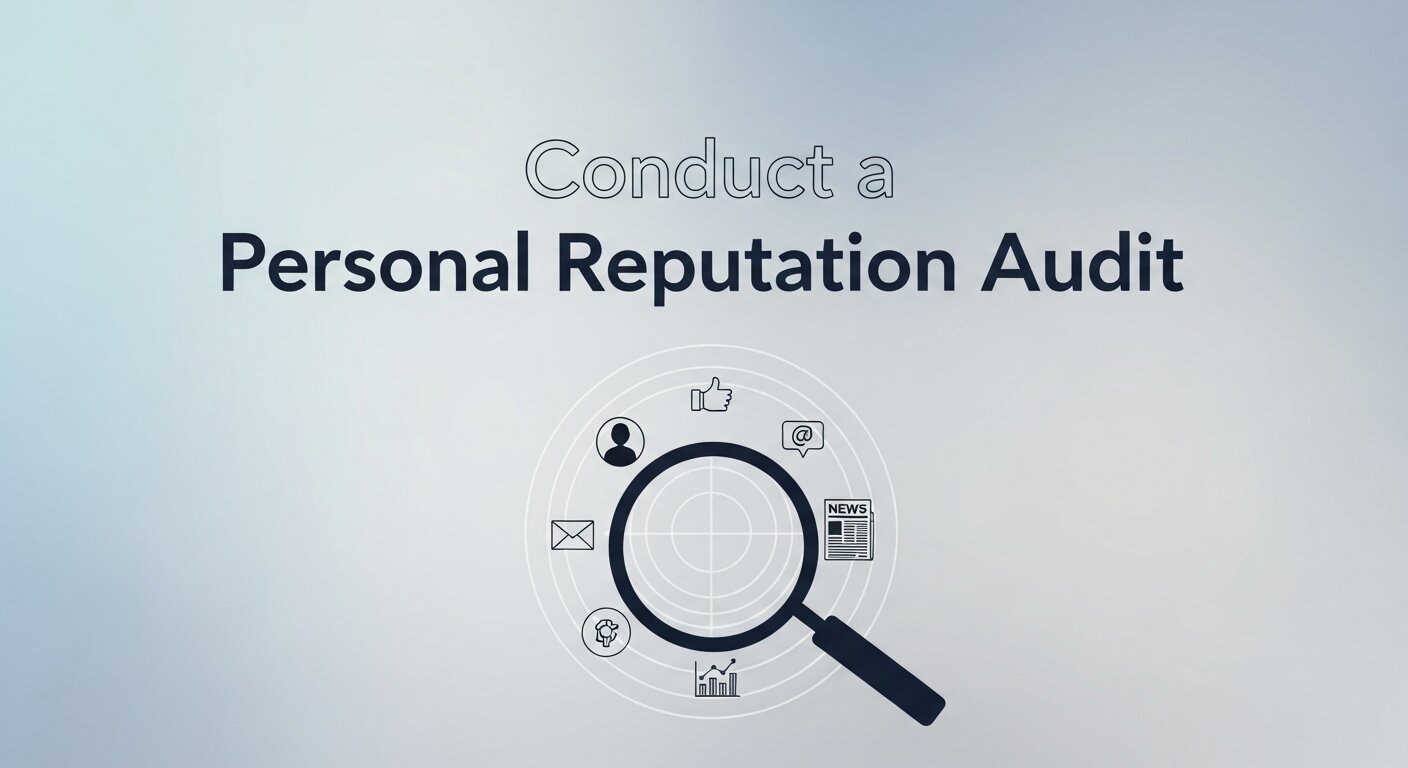 Before you can manage your reputation, you need to know what you’re working with. Start by searching your own name on Google, Bing, and other major search engines. Use both your full name and any variations (e.g., nicknames, maiden names, professional handles).
Take note of:
- What appears on the first page of results
- Any negative news articles, forum posts, or reviews
- Outdated content that no longer reflects your current situation
- Social media profiles you may have forgotten about
- Images that appear in Google Images search results
Set up Google Alerts for your name so you’re notified whenever new content mentioning you appears online. This makes monitoring an ongoing, low-effort task rather than a periodic scramble.
Secure and Clean Up Your Social Media Profiles
Social media is often the first place people look after a basic Google search. Audit every platform you’re active on—and a few you might have abandoned.
For active profiles:
- Update your bio, profile photo, and contact information to reflect your current professional identity
- Review your privacy settings and adjust what’s visible to the public
- Delete or archive posts that could be misinterpreted or reflect poorly on you
- Be intentional about what you like, share, and comment on publicly
For inactive or forgotten profiles:
- Either delete them entirely or update them with current, accurate information
- A dormant profile with outdated information can be more damaging than no profile at all
Platforms like Facebook, Twitter/X, Instagram, LinkedIn, and even Reddit can all surface in search results. Treat each one as a potential first impression.
Claim and Optimize Your Professional Profiles
One of the most effective ways to push down unwanted search results is to fill the top positions with content you control. Professional profiles on high-authority platforms rank well in search engines, making them powerful tools for reputation management.
Start with LinkedIn. A complete, well-written LinkedIn profile is often the first result that appears when someone searches a professional’s name. Include a professional headshot, a compelling summary, your work history, and recommendations from colleagues or clients.
Beyond LinkedIn, consider:
- Google Business Profile: If you’re a freelancer, consultant, or small business owner, this can appear prominently in search results
- Industry-specific directories: Platforms like Avvo (legal), Healthgrades (medical), or Clutch (business services) carry significant SEO weight
- Personal website or portfolio: Having a personal domain (yourname.com) gives you a platform you fully control
Each of these profiles serves as a piece of content that reinforces your professional identity and pushes less desirable results further down the page.
Create Positive, High-Quality Content
 Publishing original content is one of the most sustainable long-term strategies for personal reputation management. When you consistently produce valuable content, you give search engines more reasons to surface your name in a positive context.
Options include:
- Blogging: Write about your area of expertise on a personal website or a platform like Medium
- Guest posting: Contribute articles to reputable industry publications—these links carry significant SEO authority
- Podcasts and video content: Appearing as a guest on podcasts or YouTube channels builds both authority and visibility
- Social media thought leadership: Sharing informed opinions and insights on LinkedIn or Twitter/X positions you as a credible voice in your field
Consistency matters more than volume. One well-written article per month, published on a reputable platform, will do more for your reputation than ten rushed posts.
Respond to Negative Content Strategically
 Not all negative content can be removed—and attempting to suppress it too aggressively can sometimes draw more attention to it. The key is to respond thoughtfully and strategically.
For negative reviews on platforms like Google or Yelp:
- Respond professionally and calmly, even if the review feels unfair
- Acknowledge the concern without being defensive
- Invite the reviewer to resolve the issue offline
For inaccurate articles or defamatory content:
- Contact the publisher directly and request a correction or removal
- If the content is genuinely defamatory, consult a legal professional
- Submit a request to Google to de-index certain content if it violates their policies
For old or embarrassing content you created yourself:
- Reach out to the platform or website and request removal
- Some platforms have “right to be forgotten” policies that allow users to request content deletion
Reputation management firms like SanMo CA specialize in helping individuals navigate these situations—particularly when negative content is widespread or deeply embedded in search results. Professional support can make a significant difference when DIY approaches fall short.
Build and Maintain Your Personal Brand
Long-term reputation management is really long-term personal branding. The goal isn’t just to react to problems as they arise—it’s to build such a strong, positive presence that isolated negative content has nowhere to gain traction.
Your personal brand should reflect:
- Your values: What do you stand for professionally and personally?
- Your expertise: What problems can you solve? What makes your perspective unique?
- Your story: How did you get to where you are, and where are you headed?
Articulate these elements clearly across your website, social profiles, and any content you create. The more cohesive and consistent your online presence, the harder it is for any single piece of negative content to define you.
Monitor Consistently and Adjust
Reputation management isn’t a one-time project. It’s an ongoing commitment. Set aside time each month to:
- Review your Google Alerts
- Check your first-page search results
- Audit your social media activity
- Update your professional profiles as your career evolves
If you find new negative content or a shift in how you appear online, address it early. Small issues are far easier to manage before they gain traction.
Use SEO to Strengthen Your Personal Reputation
 Search engine optimization (SEO) plays a powerful role in personal reputation management. When someone searches your name, search engines decide which pages appear first. By applying basic SEO strategies, you can increase the chances that positive and professional content ranks higher than outdated or negative results.
Start by creating content that includes your full name naturally in titles, bios, and author sections. This helps search engines associate the content with you. Publishing articles, interviews, or guest posts on reputable websites also improves your online authority.
Another useful tactic is linking your profiles together. For example, your personal website can link to your LinkedIn, portfolio, and social accounts. These connections strengthen your digital presence and make it easier for search engines to recognize and prioritize your professional identity.
Build Credibility Through Reviews and Testimonials
Positive reviews and testimonials can significantly strengthen your personal reputation. When people see that others have had good experiences working with you, it builds trust even before they speak with you directly. For freelancers, consultants, entrepreneurs, or service professionals, reviews often influence whether someone decides to reach out.
Start by asking satisfied clients, colleagues, or collaborators to leave recommendations on platforms like LinkedIn or other relevant review sites. Genuine feedback that highlights your reliability, professionalism, and expertise carries far more weight than self-promotion.
It’s also important to respond politely to feedback when appropriate. Thanking people for positive reviews shows appreciation and professionalism. Over time, a collection of authentic testimonials becomes powerful social proof that strengthens both your credibility and your online reputation.
Manage Your Digital Footprint for the Future
Your digital footprint grows over time, and every post, comment, or interaction contributes to how you are perceived online. Managing your reputation means thinking long-term about what you share and how it reflects your values and goals.
Before posting anything online, consider how it might appear to someone who doesn’t know you personally. A simple habit of pausing before posting can prevent many reputation issues. It’s also helpful to review your online presence periodically and remove outdated or unnecessary information.
As your career evolves, update your bios, profiles, and websites to reflect your current achievements and direction. Keeping your information accurate ensures that search results represent the most relevant version of you, helping people understand your expertise and professional growth.
Frequently Asked Questions
How long does it take to see results from personal reputation management?
Results vary depending on the starting point and the strategies used. Some improvements—like updating social profiles—are immediate. Others, like pushing down negative search results through content creation, can take three to six months of consistent effort to show meaningful change.
Can I remove negative content from Google?
In some cases, yes. Google allows users to request the removal of certain types of content, including outdated personal information, doxxing material, and content that violates their policies. For content that doesn’t qualify for removal, the more realistic strategy is to push it down in search rankings by building stronger, positive content.
Do I need to hire a reputation management company?
Not always. Many people can manage their online reputation independently using the steps outlined in this guide. However, if you’re dealing with widespread negative content, defamatory material, or a complex crisis, working with a professional firm like SanMo CA can accelerate results and provide expertise that’s difficult to replicate on your own.
What’s the difference between personal and business reputation management?
Personal reputation management focuses on an individual’s name and digital presence. Business reputation management focuses on a company’s brand, reviews, and public perception. The two often overlap—especially for entrepreneurs and executives, where personal and professional identities are closely linked.
Is personal reputation management only necessary for public figures?
Not at all. Anyone with a digital footprint—which is nearly everyone—can benefit from actively managing their online presence. Employers, clients, landlords, and even casual acquaintances search for people online regularly. Having a well-managed reputation benefits professionals at every level.
Take Control of Your Online Story
Your reputation exists online whether you manage it or not. The only question is who’s shaping it. By conducting regular audits, building a consistent personal brand, and responding strategically to negative content, you can ensure that what people find when they search your name reflects the real you.
If you’re not sure where to start, or if you’re dealing with a reputation issue that feels overwhelming, SanMo CA offers expert personal reputation management services tailored to your situation. The sooner you take action, the more options you have.
Your story deserves to be told on your terms.