Choosing the right payment gateway can make or break your online business. With global e-commerce sales expected to reach $8.1 trillion by 2026, having a reliable, secure payment processing system isn’t just important—it’s essential for survival in the digital marketplace.
A payment gateway acts as the digital bridge between your customers and your bank account, securely processing credit card transactions, digital wallet payments, and other online payment methods. But with dozens of providers offering different features, pricing models, and integration options, how do you choose the solution that’s right for your business?
This comprehensive guide breaks down everything you need to know about payment gateway solutions, from understanding how they work to selecting the perfect provider for your specific needs. Whether you’re launching your first online store or looking to upgrade your existing payment infrastructure, you’ll find the insights you need to make an informed decision.
What Is a Payment Gateway and How Does It Work?
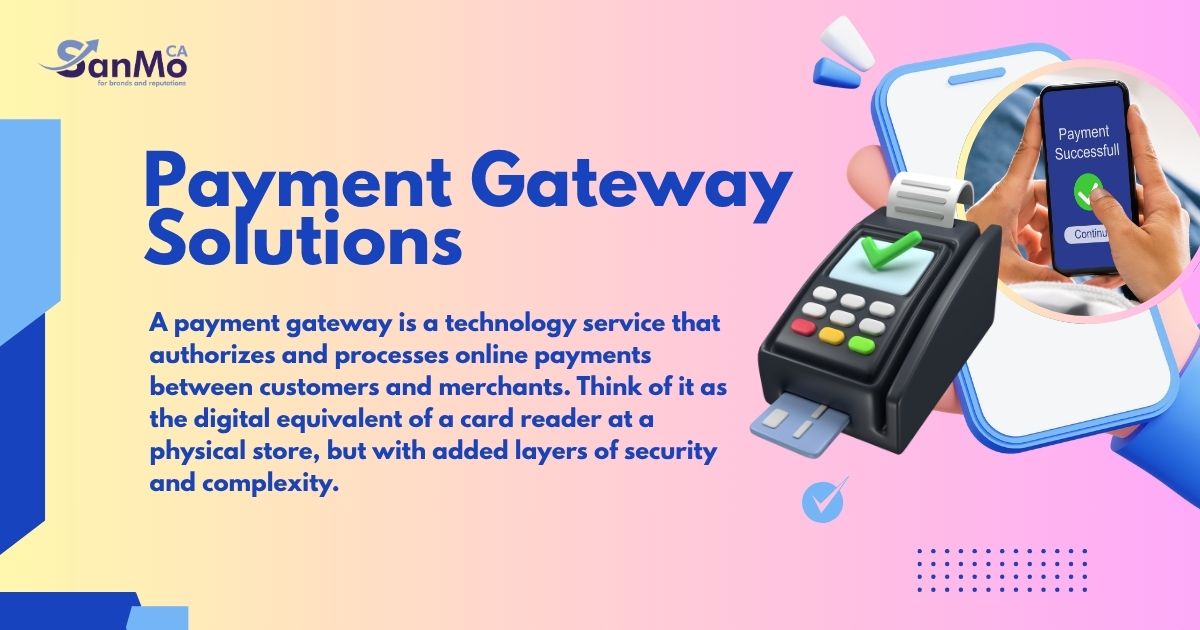
A payment gateway is a technology service that authorizes and processes online payments between customers and merchants. Think of it as the digital equivalent of a card reader at a physical store, but with added layers of security and complexity.
When a customer enters their payment information on your website, the payment gateway encrypts this sensitive data and sends it through a secure network to the payment processor. The processor then communicates with the customer’s bank to verify funds and approve or decline the transaction. This entire process typically takes just a few seconds.
The gateway handles multiple crucial functions beyond basic transaction processing. It encrypts sensitive payment data using advanced security protocols, performs fraud detection checks, manages recurring billing for subscription services, and provides detailed transaction reporting. Many modern gateways also support multiple payment methods, from traditional credit and debit cards to digital wallets like PayPal, Apple Pay, and Google Pay.
Types of Payment Gateway Solutions
Hosted Payment Gateways
Hosted gateways redirect customers to the payment provider’s secure page to complete their transaction. When customers click “pay,” they leave your website temporarily and enter their payment details on the gateway provider’s platform before being redirected back to your site.
This approach offers maximum security since sensitive payment data never touches your servers, reducing your PCI compliance requirements. Popular hosted solutions include PayPal Standard and Stripe Checkout. However, the redirect process can sometimes increase cart abandonment rates as customers may feel uncertain about leaving your site.
Self-Hosted Payment Gateways
Self-hosted gateways allow customers to enter payment information directly on your website without any redirects. Your server processes the payment data before sending it to the gateway, creating a seamless user experience that maintains your brand consistency throughout the checkout process.
While this approach provides better customer experience and potentially higher conversion rates, it requires stricter PCI compliance standards and more robust security measures on your end. You’ll need SSL certificates, secure hosting, and regular security audits to protect customer data.
API-Based Payment Gateways
API based solutions offer the most flexibility by allowing developers to integrate payment processing directly into custom applications and websites. These gateways provide comprehensive APIs that let you customize every aspect of the payment experience while maintaining security standards.
Companies like Stripe and Square have built their reputations on developer-friendly APIs that make integration straightforward. This approach works best for businesses with technical resources who want complete control over their payment flow and user experience.
Key Features to Look for in Payment Gateway Solutions
Security and Compliance
Security should be your top priority when evaluating payment gateways. Look for providers that offer PCI DSS compliance, SSL encryption, tokenization, and advanced fraud detection systems. The gateway should also provide 3D Secure authentication for international transactions and real-time fraud scoring to minimize chargebacks.
Payment Method Support
Modern customers expect multiple payment options. Your gateway should support major credit and debit cards (Visa, Mastercard, American Express, Discover), popular digital wallets (PayPal, Apple Pay, Google Pay, Amazon Pay), and emerging payment methods like buy-now-pay-later services. International businesses should also consider local payment methods popular in their target markets.
Integration Capabilities
Seamless integration with your existing systems is crucial for operational efficiency. Look for gateways that offer plugins for popular e-commerce platforms like Shopify, WooCommerce, and Magento, as well as APIs for custom integrations. The gateway should also integrate with your accounting software development, CRM systems, and inventory management tools.
Reporting and Analytics
Comprehensive reporting helps you understand your payment performance and customer behavior. Quality gateways provide real-time transaction monitoring, detailed sales reports, chargeback management tools, and analytics on payment method preferences. This data becomes invaluable for optimizing your checkout process and reducing payment failures.
Popular Payment Gateway Providers
Stripe
Stripe has become the gold standard for online payment processing, particularly among tech-savvy businesses. Their developer-friendly platform offers extensive APIs, excellent documentation, and support for over 135 currencies. Stripe handles everything from simple one-time payments to complex subscription billing and marketplace transactions.
The platform charges 2.9% + 30¢ per successful transaction for most businesses, with volume discounts available for larger merchants. Stripe’s strength lies in its flexibility and global reach, making it ideal for businesses planning international expansion.
PayPal
As one of the most recognized payment brands globally, PayPal offers both hosted and API-based solutions. PayPal Checkout allows customers to pay with their PayPal balance, bank account, or credit card, often increasing conversion rates due to brand trust and streamlined checkout for existing PayPal users.
PayPal’s pricing varies by solution, typically ranging from 2.9% + 30¢ for standard transactions to custom rates for high-volume merchants. The platform excels in international payments and offers strong buyer protection policies that can increase customer confidence.
Square
Square started with in-person payments but has expanded into a comprehensive commerce platform. Their payment gateway integrates seamlessly with their point-of-sale systems, making it an excellent choice for omnichannel retailers who sell both online and in physical locations.
Square charges 2.9% + 30¢ for online transactions and offers a unified dashboard for managing all payment channels. Their strength lies in simplicity and integration across online and offline sales channels.
Authorize.Net
As one of the oldest payment gateways, Authorize.Net offers reliability and extensive feature sets that appeal to established businesses. They provide robust fraud protection, recurring billing capabilities, and integration with over 30 shopping cart solutions.
Authorize.Net charges a monthly gateway fee (typically $25) plus per-transaction fees, making it more suitable for businesses with consistent transaction volumes. Their mature platform offers advanced features like customer information management and automated recurring billing.
How to Choose the Right Payment Gateway
Assess Your Business Needs
Start by evaluating your specific requirements. Consider your average transaction volume, target markets, preferred payment methods, and technical capabilities. A small local business has different needs than a global e-commerce platform or a subscription-based SaaS company.
High-volume businesses should prioritize gateways with competitive transaction fees and volume discounts. International businesses need providers with strong global coverage and local payment method support. Subscription businesses require robust recurring billing features and dunning management.
Calculate Total Costs
Don’t focus solely on transaction fees. Consider setup fees, monthly fees, chargeback fees, currency conversion rates, and costs for additional features. A gateway with higher transaction fees might offer better value if it includes features you’d otherwise pay extra for elsewhere.
Calculate costs based on your projected transaction volume and average order value. Some gateways offer interchange-plus pricing that can be more economical for high-volume merchants, while others provide simple flat-rate pricing that’s easier to predict.
Evaluate Technical Requirements
Consider your technical resources and integration needs. If you lack development expertise, choose a gateway with extensive plugins and easy setup processes. Businesses with custom requirements should prioritize providers with well-documented APIs and responsive developer support.
Test the integration process thoroughly before committing. Many providers offer sandbox environments where you can test functionality without processing real transactions.
Consider Customer Experience
Your payment gateway directly impacts customer experience and conversion rates. Look for providers that offer fast processing times, mobile-optimized checkout experiences, and support for popular payment methods among your target audience.
Consider conducting A/B tests with different payment options to see which performs best for your specific customer base.
Common Challenges and Solutions
High Cart Abandonment Rates
Payment-related issues cause approximately 18% of cart abandonments. Combat this by offering multiple payment methods, ensuring mobile optimization, displaying security badges prominently, and minimizing the number of checkout steps.
Consider implementing features like guest checkout options, saved payment methods for returning customers, and clear progress indicators during the checkout process.
International Payment Processing
Expanding globally introduces complexities like currency conversion, local payment preferences, and regional regulations. Choose gateways with strong international capabilities, competitive foreign exchange rates, and compliance with local regulations like PSD2 in Europe.
Research preferred payment methods in your target markets. For example, Alipay and WeChat Pay are essential for the Chinese market, while SEPA direct debit is popular in Europe.
PCI Compliance and Security
Maintaining PCI compliance can be complex and costly. Hosted payment solutions reduce your compliance scope, while tokenization helps protect stored customer data. Regular security audits and staying updated with the latest security standards are essential regardless of your chosen solution.
Future Trends in Payment Gateway Technology
Artificial Intelligence and Machine Learning
AI-powered fraud detection is becoming more sophisticated, reducing false positives while catching more fraudulent transactions. Machine learning algorithms analyze patterns in real-time to make split-second decisions about transaction approval.
These technologies also enable more accurate risk assessment and personalized payment experiences based on customer behavior and preferences.
Alternative Payment Methods
The rise of cryptocurrency payments, buy-now-pay-later services, and digital-only banks is reshaping the payment landscape. Forward-thinking businesses should choose gateways that can adapt to these emerging payment methods.
Enhanced Mobile Experiences
With mobile commerce continuing to grow, payment gateways are focusing on mobile-first experiences. Features like one-click payments, biometric authentication, and progressive web app support are becoming standard expectations.
Making Your Payment Gateway Decision
Selecting the right payment gateway solution requires careful consideration of your business needs, technical capabilities, and growth plans. The best choice balances cost, functionality, security, and user experience while positioning your business for future growth.
Start by clearly defining your requirements and budget constraints. Test potential solutions thoroughly, paying attention to integration ease, customer support quality, and documentation completeness. Consider starting with a solution that offers flexibility to add features as your business grows, rather than trying to anticipate every future need.
Remember that your payment gateway is a long-term partnership that affects every customer transaction. Take time to make an informed decision, and don’t hesitate to negotiate terms with providers, especially if you have significant transaction volume or unique requirements.
The right payment gateway solution will become an invisible but crucial component of your business success, enabling smooth transactions that keep customers happy and your revenue flowing.