Every organization faces the possibility of a sudden disruption. A cyberattack might lock critical systems, a natural disaster could halt supply chains, or a public relations scandal might threaten years of built-up trust. These events strike without warning, leaving leaders scrambling to protect their people, assets, and reputation. When the unexpected happens, having a solid plan makes the difference between a minor setback and a complete catastrophe.
This is exactly why dedicated crisis management services have become an operational necessity. Companies can no longer rely on improvised responses. They need structured, tested, and reliable frameworks to handle emergencies. Specialized agencies, like SanMo CA, provide the expertise required to navigate these turbulent waters. They help organizations prepare for, respond to, and recover from severe incidents with minimal damage.
In this comprehensive guide, we will explore how tailored crisis management services function across three highly vulnerable sectors: healthcare, finance, and technology. You will learn the unique risks each industry faces and how proactive strategies can safeguard operations. By understanding these industry-specific challenges, you can better equip your own organization to handle whatever disruptions the future might hold.
What Are Crisis Management Services?
Crisis management services encompass a broad range of strategic planning, training, and response activities designed to protect an organization from critical threats. These services go far beyond simple public relations. They involve deep operational analysis, risk assessment, and the creation of step-by-step protocols for emergencies. When a crisis hits, these services provide the leadership and resources necessary to stabilize the situation.
The Core Components of Effective Mitigation
A robust crisis management plan includes several distinct phases. First is the pre-crisis stage, which involves identifying potential vulnerabilities. Experts conduct thorough risk assessments to spot weak points in physical security, digital infrastructure, and personnel protocols. Once identified, teams develop comprehensive response manuals.
The second phase is the active response. This is when crisis management services deploy rapidly to manage the unfolding event. They coordinate communication between stakeholders, employees, and the public. They also work with legal teams, law enforcement, and IT specialists to contain the damage.
Finally, the post-crisis phase focuses on recovery and learning. Teams analyze what went wrong, how effective the response was, and what changes must be implemented to prevent future occurrences. SanMo CA excels in guiding organizations through all three phases, ensuring a resilient foundation.
The Unique Demands of Healthcare Crisis Management
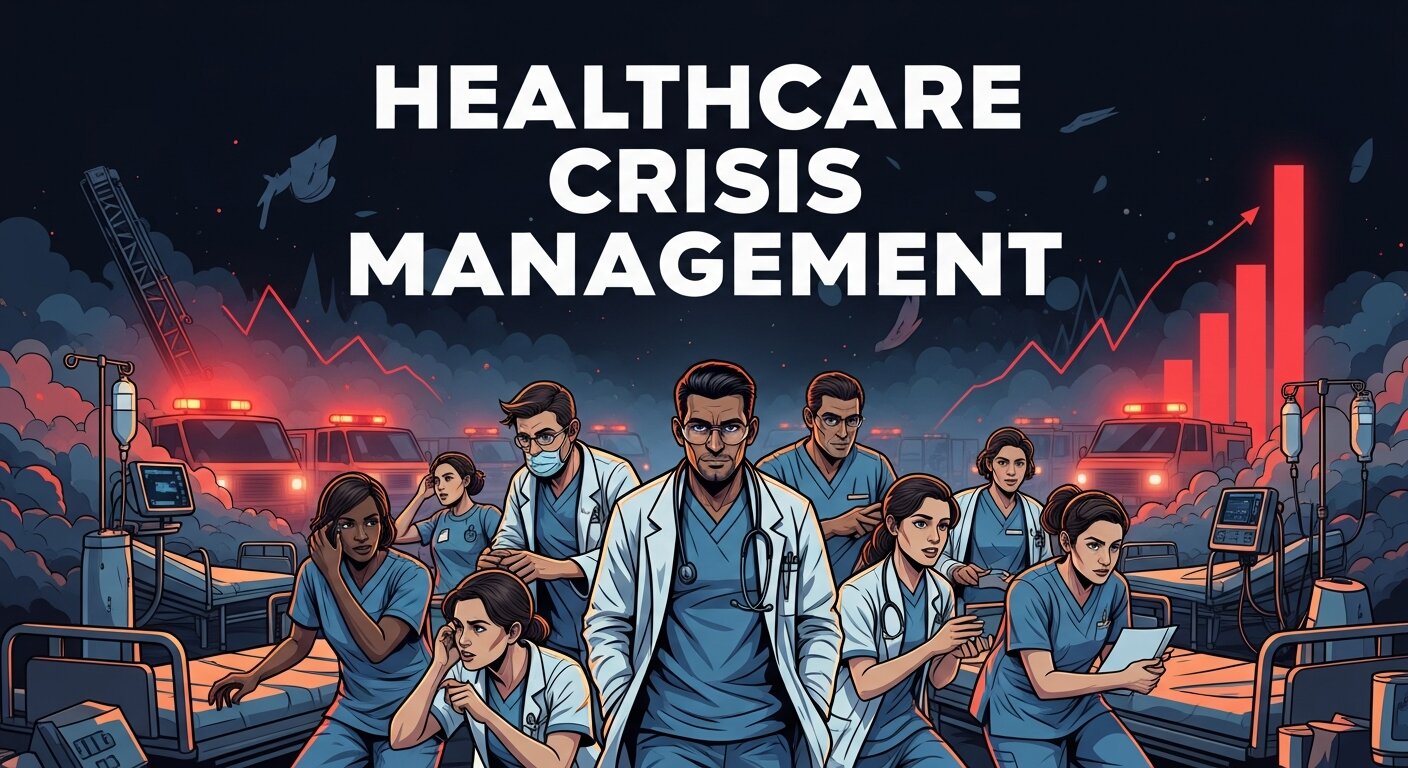 Healthcare organizations operate under immense pressure even on normal days. When a crisis occurs, the stakes are literal life and death. Hospitals, clinics, and pharmaceutical companies must navigate complex regulatory environments while providing uninterrupted care to vulnerable patients.
Protecting Patient Data and Ensuring Care Continuity
One of the largest threats to modern healthcare is the theft or compromise of patient data. Ransomware attacks frequently target hospitals, locking doctors out of vital medical records. Without access to patient histories, medication lists, and allergy information, treatments are delayed, and lives are put at risk. Crisis management services in this sector focus heavily on digital resilience and rapid IT recovery.
Furthermore, natural disasters like hurricanes or earthquakes can cause massive physical disruptions. Hospitals must have backup power, alternative supply chains for essential medicines, and evacuation protocols for bedridden patients. Preparing for these logistical nightmares requires meticulous planning and regular drills.
How SanMo CA Supports Healthcare Providers
SanMo CA provides healthcare facilities with specialized crisis management services tailored to medical environments. They assist in developing robust continuity of care plans that ensure patients receive treatment even during severe disruptions. By conducting simulated crisis scenarios, SanMo CA helps medical staff practice their emergency roles, reducing panic and confusion when real disasters strike.
They also focus heavily on HIPAA compliance during data breaches. If a hospital’s network is compromised, SanMo CA guides the administration through the legal and ethical obligations of notifying patients while simultaneously working to secure the exposed systems.
Safeguarding the Finance Sector During Turmoil
The financial industry is the backbone of the global economy. Banks, investment firms, and insurance companies manage trillions of dollars and hold massive amounts of sensitive personal data. A crisis in this sector can cause localized panic and widespread economic instability.
Economic Volatility and Cyber Threat Prevention
Financial institutions are prime targets for sophisticated cybercriminals. Hackers constantly attempt to breach banking networks to steal funds or ransom sensitive financial records. Crisis management services for finance focus heavily on cybersecurity, fraud detection, and immediate asset freezing protocols.
Beyond digital threats, the finance sector must also navigate severe market volatility, regulatory crackdowns, and executive scandals. A sudden drop in market confidence can lead to bank runs or catastrophic stock plunges. Communication is critical during these moments. Financial leaders must project stability and transparency to prevent widespread panic among investors and clients.
SanMo CA’s Approach to Financial Security
SanMo CA understands the delicate nature of trust in the financial sector. Their crisis management services prioritize swift, secure, and transparent communication strategies. If a bank experiences a data breach, SanMo CA works immediately to control the narrative, reassure clients, and demonstrate that funds are secure.
Additionally, SanMo CA helps financial institutions map out complex regulatory compliance issues during a crisis. They ensure that all necessary government agencies and regulatory bodies are informed correctly, preventing hefty fines and legal repercussions that often follow mismanaged emergencies.
Tech Industry Vulnerabilities and Rapid Response
Technology companies move at breakneck speeds. Startups and established tech giants alike prioritize rapid innovation and deployment. However, this speed can sometimes lead to vulnerabilities. The tech sector faces unique crises, ranging from massive service outages to intellectual property theft and severe privacy violations.
Minimizing Downtime and Protecting Intellectual Property
For a software-as-a-service (SaaS) company, server downtime equates to immediate revenue loss and intense customer frustration. If a major cloud provider goes down, thousands of dependent businesses suffer. Crisis management services in tech emphasize creating redundant systems and rapid failover protocols to ensure minimal service interruption.
Intellectual property theft is another major concern. If a competitor or a malicious actor steals proprietary source code, a tech company can lose its competitive advantage overnight. Managing this type of crisis requires a blend of digital forensics, aggressive legal action, and strategic public relations to maintain market confidence.
Tech-Focused Crisis Strategies by SanMo CA
SanMo CA offers dynamic crisis management services designed specifically for the fast-paced tech industry. They help technology companies build resilient infrastructures that can withstand sudden traffic spikes, distributed denial-of-service (DDoS) attacks, and internal server failures.
When a tech company faces a severe privacy scandal—such as an unauthorized data leak—SanMo CA steps in to manage the fallout. They help draft clear, jargon-free communications to users, outlining exactly what happened, what data was compromised, and the immediate steps being taken to fix the vulnerability. This transparency is vital for retaining a loyal user base.
Key Benefits of Partnering with SanMo CA
Attempting to handle a major emergency internally without specialized training often makes the situation worse. Partnering with a dedicated agency provides a level of objectivity and expertise that internal teams usually lack during high-stress moments.
Proactive Planning Versus Reactive Scrambling
The greatest advantage of utilizing crisis management services is the shift from a reactive mindset to a proactive one. SanMo CA does not just wait for the phone to ring when disaster strikes. They spend months analyzing your business, searching for vulnerabilities, and building a customized playbook for every conceivable scenario.
When a crisis does occur, your team will not waste precious hours debating what to do. They will open the playbook, follow the established protocols, and begin mitigating the damage immediately. This preparation saves money, preserves reputations, and protects employees.
Customized Solutions for Complex Industry Needs
SanMo CA recognizes that a hospital’s response to a crisis will look entirely different from a bank’s response. They do not use generic, copy-and-paste emergency plans. Instead, they provide deeply customized solutions that respect the regulatory, operational, and cultural nuances of your specific industry. Their comprehensive approach ensures that all bases are covered, from legal compliance to media relations and operational recovery.
Crisis Communication Strategies for High-Stakes Situations
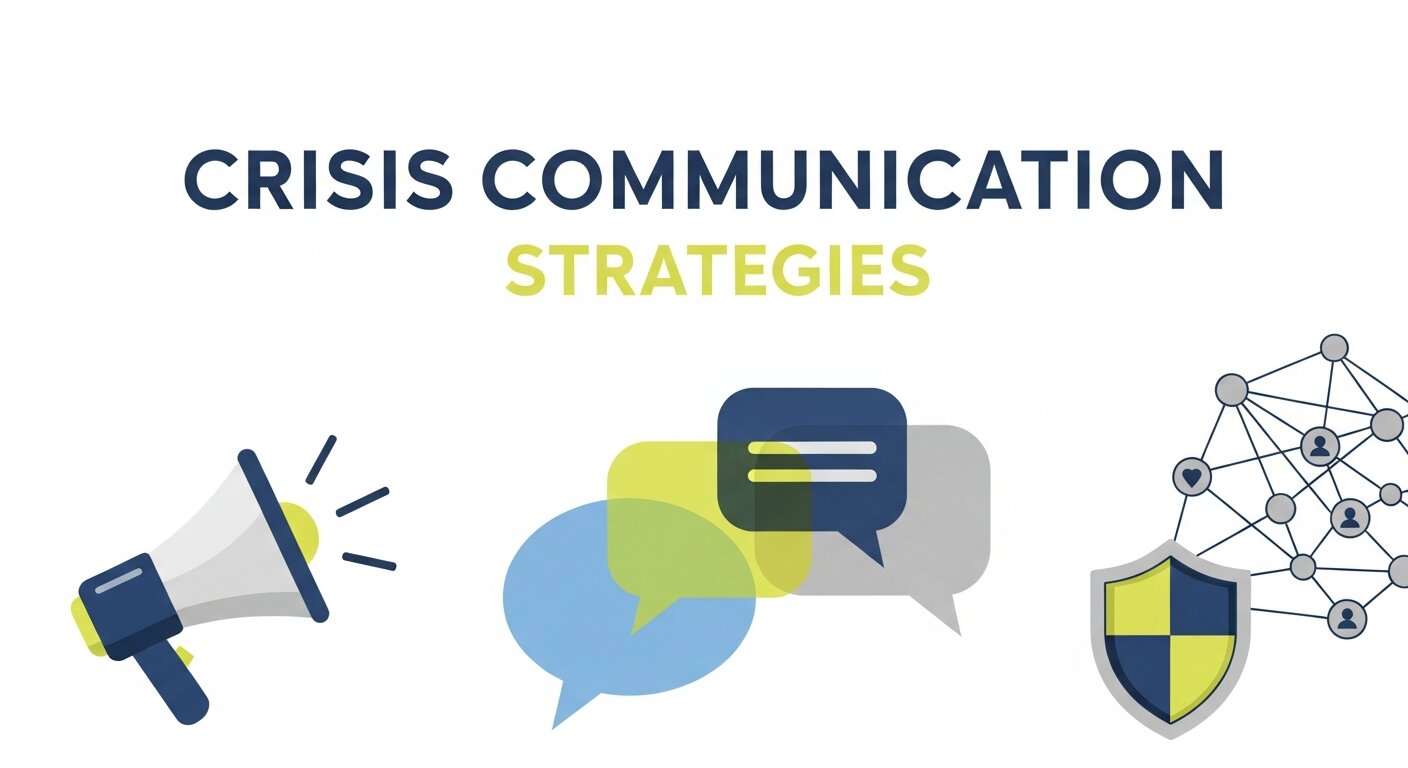 Effective communication is the backbone of any successful crisis response. During high-stakes situations, organizations must deliver clear, consistent, and timely messages to multiple audiences, including customers, employees, regulators, and the media. A poorly communicated response can escalate confusion and damage credibility, even if the underlying issue is being handled correctly.
Crisis management services help craft messaging frameworks that balance transparency with control. This includes preparing holding statements, designating trained spokespersons, and aligning communication across all channels. Consistency is critical—contradictory messages can erode trust instantly. By establishing predefined communication strategies, organizations can respond confidently under pressure, ensuring that their narrative remains accurate, controlled, and aligned with their core values throughout the crisis lifecycle.
The Role of Technology in Modern Crisis Preparedness
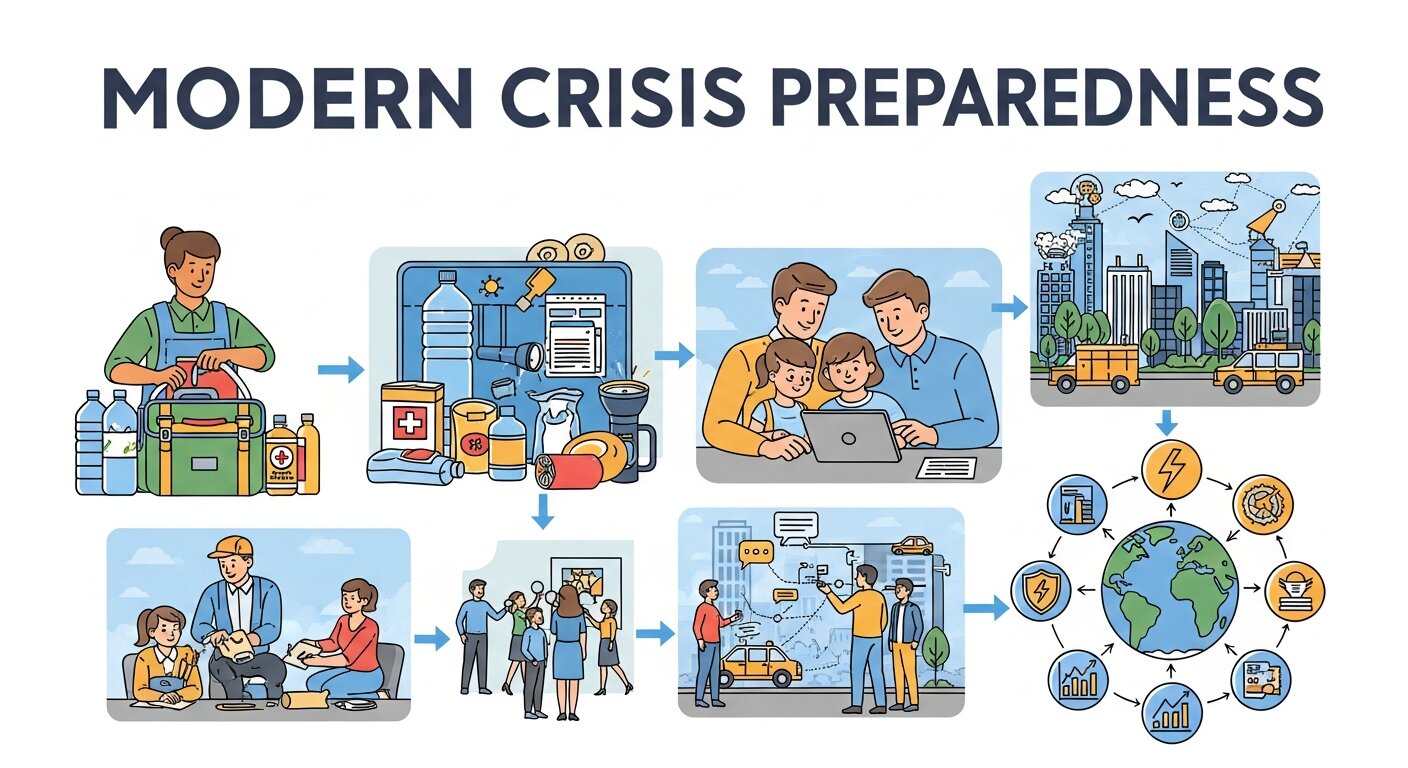 Technology has become an essential pillar of crisis preparedness and response. Advanced monitoring tools, artificial intelligence, and automated alert systems allow organizations to detect potential threats before they escalate into full-blown emergencies. These tools continuously scan digital environments, identifying unusual activity, security breaches, or negative sentiment trends.
Crisis management services leverage these technologies to provide real-time insights and rapid decision-making capabilities. Automated systems can trigger immediate responses, such as shutting down compromised servers or notifying key personnel. Additionally, cloud-based backup systems ensure data availability even during major disruptions. By integrating modern technology into crisis planning, organizations gain speed, accuracy, and efficiency—three critical factors that significantly influence the outcome of any emergency situation.
Training and Simulation for Crisis Readiness
Preparation goes beyond written plans; it requires hands-on experience. Training and simulation exercises are vital components of effective crisis management services. These exercises replicate real-world scenarios, allowing teams to practice their roles in a controlled environment. From cyberattack simulations to emergency evacuation drills, these activities expose weaknesses in existing plans.
Employees learn how to respond under pressure, improving coordination and reducing panic during actual events. Leadership teams also gain valuable insights into decision-making bottlenecks and communication gaps. Regular simulations ensure that protocols remain relevant and effective as organizational structures evolve. By investing in continuous training, companies transform theoretical strategies into practical skills, creating a workforce that is confident, capable, and ready to act decisively when a crisis occurs.
Legal and Compliance Considerations During Crises
Every crisis carries potential legal and regulatory implications that organizations must address carefully. Failing to comply with industry regulations during an emergency can result in significant fines, lawsuits, and long-term reputational damage. This is especially critical in sectors like healthcare and finance, where strict compliance standards govern data handling and operational procedures.
Crisis management services provide guidance on navigating these complex legal landscapes. They ensure that all communications, disclosures, and actions align with regulatory requirements. This includes coordinating with legal counsel, documenting response efforts, and maintaining transparency with authorities. By integrating legal considerations into crisis response strategies, organizations can mitigate liability risks while maintaining ethical and professional standards, ultimately protecting both their reputation and their financial stability.
Frequently Asked Questions (FAQ)
What exactly do crisis management services include?
Crisis management services typically include risk assessment, emergency response planning, media relations, crisis communication, employee safety protocols, and post-crisis recovery analysis. The goal is to prepare an organization for unexpected events and guide them through the active disruption.
Why does the healthcare industry need specialized crisis management?
Healthcare involves highly sensitive patient data and life-saving operations. A crisis in this sector—such as a ransomware attack or a natural disaster—can directly result in loss of life. Specialized services ensure continuity of care and strict adherence to privacy laws like HIPAA.
How quickly can SanMo CA respond to an active emergency?
SanMo CA operates with rapid response teams available around the clock. Depending on the nature of the emergency, digital and communication support can begin immediately, while on-site operational support is deployed as fast as logistics allow.
Is crisis management only for large corporations?
No. Small and medium-sized businesses are often more vulnerable to crises because they lack deep financial reserves. A single data breach or operational halt can permanently close a smaller company. Crisis management services are scalable and essential for businesses of all sizes.
Can a crisis management plan prevent cyberattacks?
While a crisis management plan itself does not block hackers, the preliminary risk assessment phase often uncovers digital vulnerabilities. Furthermore, having a plan ensures that if an attack occurs, the network is isolated faster, minimizing the amount of data stolen or systems compromised.
Securing Your Future Against the Unexpected
Disasters do not wait for a convenient time to strike. They arrive unannounced, testing the limits of your leadership, your infrastructure, and your team’s resolve. Hoping that an emergency will never happen is not a strategy. True security comes from comprehensive preparation and the willingness to confront potential vulnerabilities before they are exploited.
By investing in professional crisis management services, you are building an operational fortress. Whether you are protecting patient lives in a hospital, securing the financial assets of thousands of clients, or maintaining the digital infrastructure of a global tech platform, preparation is your greatest asset.
Take the necessary steps today to evaluate your current emergency protocols. Reach out to the experts at SanMo CA to conduct a thorough risk assessment. Let their experienced team help you build a resilient, proactive strategy that will keep your organization standing strong, no matter what challenges arise.