Getting your message in front of the right people sounds straightforward. In practice, it’s one of the most complex challenges in modern marketing. Audiences are fragmented across dozens of platforms, ad inventory is competitive, and the window to capture attention is razor-thin. Without a strategic approach, even the most compelling creative can fall flat.
That’s where media buying services come in. A well-executed media buying strategy doesn’t just place ads—it ensures those ads appear in the right context, at the right moment, and in front of the people most likely to act. For businesses looking to scale efficiently and spend smarter, understanding how media buying works is essential.
This guide breaks down everything you need to know: what media buying services involve, how the process works, what separates effective campaigns from wasteful ones, and how partnering with an expert agency like SanMo CA can give your brand a measurable edge.
What Are Media Buying Services?
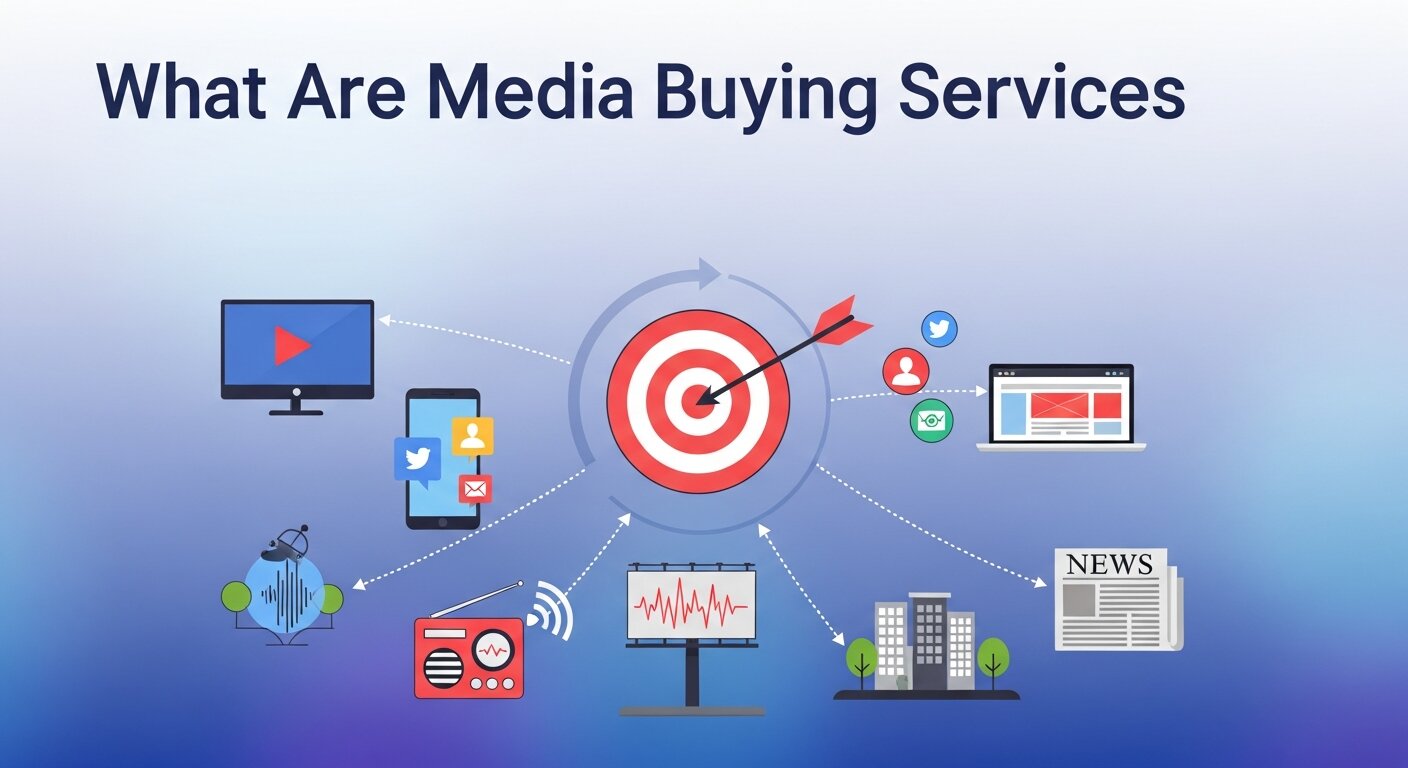 Media buying is the process of purchasing advertising space across channels—TV, radio, digital platforms, print, outdoor, and more—to reach a defined target audience. It sits at the intersection of strategy, negotiation, and data analysis.
A media buying service handles this process on your behalf. Rather than navigating ad platforms or negotiating placements in-house, you work with specialists who know the landscape, have established relationships with publishers, and can stretch your budget further than most brands could alone.
There are two primary models:
- Traditional media buying: Negotiating placements directly with publishers or broadcasters. Think TV slots, billboard space, or magazine spreads.
- Programmatic media buying: Using automated technology to purchase digital ad inventory in real time, targeting users based on behavior, demographics, and intent signals.
Most modern campaigns blend both. The right mix depends on your audience, goals, and budget.
The Media Buying Process, Step by Step
Understanding how media buying services operate helps you ask better questions, set realistic expectations, and evaluate performance more accurately.
1. Defining Campaign Goals
Every effective media buy starts with clarity. Are you building brand awareness? Driving website traffic? Generating leads or direct sales? Each objective calls for different channels, formats, and bidding strategies. Vague goals produce vague results.
2. Audience Research and Segmentation
Who are you trying to reach? Media buyers build detailed audience profiles using first-party data, third-party research, and platform insights. These profiles inform which channels your audience uses, when they’re most active, and what types of content they engage with.
Segmentation goes deeper than demographics. Behavioral data, purchase intent, and geographic targeting all play a role in ensuring your ads land with precision.
3. Media Planning
With goals and audience defined, the next step is building a media plan—a roadmap that outlines which channels to use, how much to spend on each, and what the expected reach and frequency will be.
A strong media plan balances reach (how many people see your ad) with frequency (how often they see it). Too little frequency and your message doesn’t register. Too much and you risk ad fatigue.
4. Negotiation and Placement
For traditional media, this means negotiating directly with publishers or broadcasters to secure favorable rates and premium placements. Experienced buyers leverage existing relationships and volume commitments to access inventory that’s simply not available at standard rates.
For programmatic buying, this involves setting up campaigns within demand-side platforms (DSPs), configuring audience targeting parameters, and establishing bid strategies that align with your cost-per-acquisition goals.
5. Campaign Monitoring and Optimization
Launching a campaign is just the beginning. Skilled media buyers monitor performance in real time, adjusting bids, reallocating budget, and refining targeting based on what the data shows. A campaign that isn’t being actively managed is a campaign that’s losing money.
6. Reporting and Analysis
At the end of each campaign cycle, you should receive a clear report detailing impressions, clicks, conversions, cost-per-result, and return on ad spend (ROAS). This data feeds directly into planning the next campaign—making each one more efficient than the last.
Why Media Buying Services Deliver Better Results
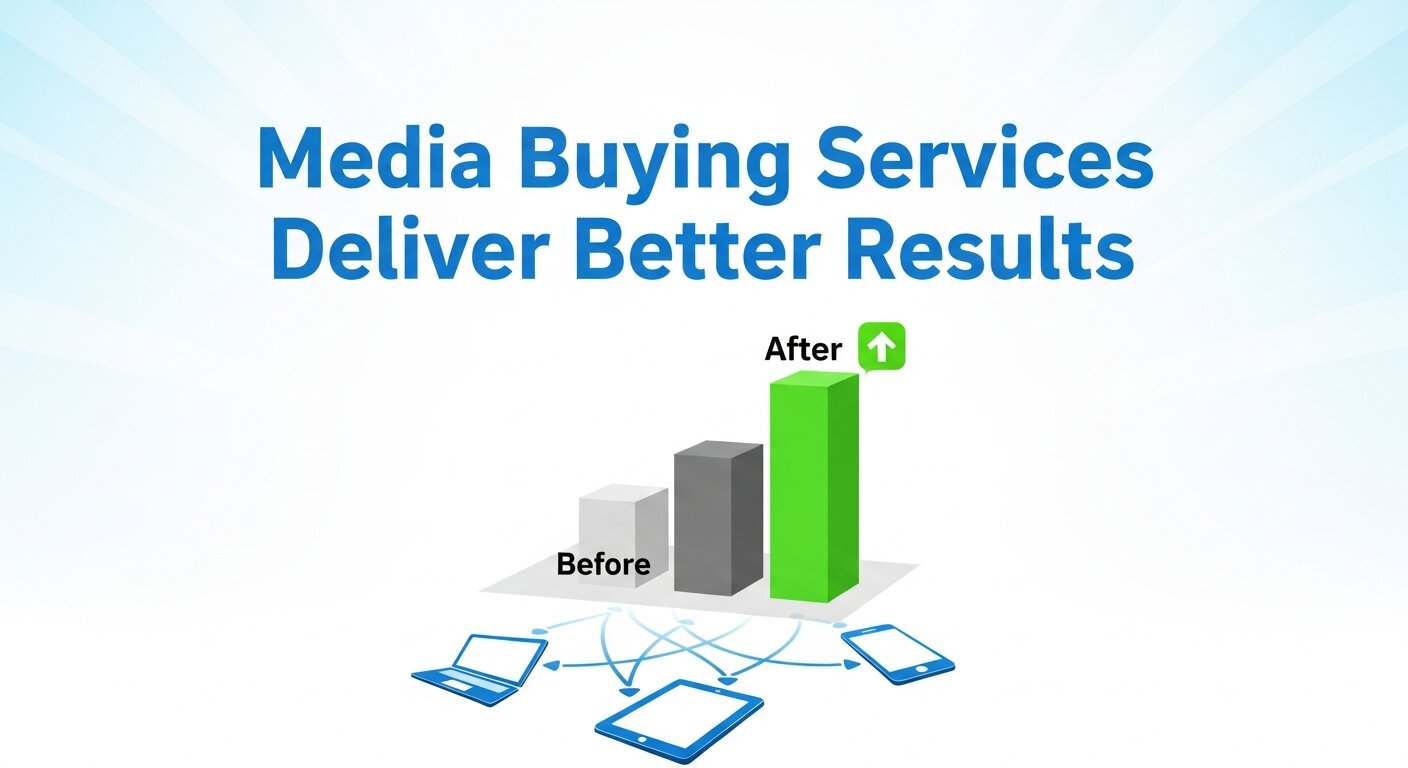 Many businesses attempt to manage paid media in-house, only to find that the complexity of the ecosystem outpaces their capacity. Here’s why working with a dedicated media buying service consistently outperforms DIY approaches.
Access to Premium Inventory
Established agencies have relationships with publishers and ad networks that give them access to inventory brands can’t secure on their own. This includes premium placements, exclusive packages, and lower CPMs (cost per thousand impressions) through volume pricing.
Data-Driven Targeting
Professional media buyers use sophisticated tools to analyze audience data, track attribution, and build lookalike audiences based on your best-performing customers. The result is tighter targeting and less wasted spend.
Cross-Channel Expertise
Consumers don’t live on one platform. A buyer who understands how to coordinate messaging across paid social, display, connected TV (CTV), search, and audio creates a cohesive brand experience that single-channel approaches simply can’t match.
Faster Iteration
Agencies that manage media full-time can test hypotheses, analyze results, and implement changes much faster than in-house teams who split time across multiple responsibilities. Speed of iteration is often the difference between a campaign that scales and one that stalls.
Choosing the Right Media Buying Partner
 Not all media buying services are created equal. The agency landscape is crowded, and quality varies significantly. Here’s what to look for when evaluating potential partners.
Transparent Reporting
You should always know where your budget is going. A trustworthy media buying partner provides clear, granular reporting—not just vanity metrics, but the numbers that tie directly to business outcomes. If an agency is reluctant to share detailed performance data, that’s a red flag.
Proven Experience in Your Industry
Media buying strategies that work in e-commerce don’t always translate to B2B, healthcare, or local services. Look for an agency with experience in your specific vertical. They’ll understand your audience’s behavior, your competitive landscape, and the compliance requirements that may affect your campaigns.
A Strategic, Not Transactional, Approach
The best media buying partners don’t just execute—they consult. They push back when a strategy isn’t working, bring new channel opportunities to your attention, and align their recommendations with your broader business goals.
SanMo CA’s Approach to Media Buying
SanMo CA brings a research-led, results-focused approach to media buying services. From audience analysis and channel strategy to real-time campaign management and detailed performance reporting, SanMo CA works as a true extension of your marketing team—not just a vendor placing ads. Whether you’re launching a brand awareness campaign, scaling lead generation, or trying to reduce your cost per acquisition, SanMo CA builds and manages media strategies that move the needle.
Key Channels in Modern Media Buying
 The channel mix has never been more diverse. Understanding the strengths of each helps you prioritize where your budget goes.
Paid Social
Platforms like Meta, TikTok, LinkedIn, and Pinterest offer granular audience targeting based on interests, behaviors, job titles, and more. Paid social works well for both direct response and brand-building campaigns, and creative testing is faster here than almost anywhere else.
Programmatic Display and Video
Programmatic technology allows you to serve banner, video, and native ads across millions of websites and apps in real time. Strong for building reach and retargeting users who have already engaged with your brand.
Connected TV (CTV) and Streaming Audio
As streaming continues to grow, CTV and audio have become powerful channels for reaching cord-cutters and podcast listeners. These formats offer premium brand-safe environments with strong completion rates.
Search (Paid Search / SEM)
While technically a separate discipline, paid search often intersects with media buying strategy—particularly when coordinating upper-funnel awareness campaigns with lower-funnel conversion efforts.
Out-of-Home (OOH) and Digital OOH
Billboards, transit advertising, and digital screens remain relevant for building local awareness and reaching audiences at high-frequency touchpoints in their daily routines.
Measuring What Matters
One of the most common mistakes in media buying is optimizing for the wrong metrics. Impressions and reach matter, but they don’t tell the full story. Here are the metrics that should sit at the center of your evaluation framework:
- Return on Ad Spend (ROAS): Revenue generated for every dollar spent on advertising.
- Cost Per Acquisition (CPA): How much it costs to acquire one customer or lead.
- View-Through Rate (VTR): The percentage of people who watch a video ad to completion.
- Click-Through Rate (CTR): The percentage of people who click after seeing your ad.
- Attribution: Understanding which touchpoints contributed to a conversion—and how much credit each deserves.
The right KPIs will vary by campaign objective. A brand awareness campaign might prioritize reach and frequency, while a direct response campaign lives and dies by CPA and ROAS.
Frequently Asked Questions About Media Buying Services
What is the difference between media buying and media planning?
Media planning is the strategic phase—determining which channels, formats, and timing will best achieve your campaign goals. Media buying is the execution phase—actually securing the ad placements. Both are closely connected, and many agencies handle them together.
How much does media buying typically cost?
Costs vary based on your target audience, chosen channels, campaign duration, and competitive landscape. Most agencies charge either a percentage of total ad spend (typically 10–20%) or a flat management fee. Your actual media spend is separate from agency fees.
Do I need a large budget to benefit from media buying services?
No. While larger budgets unlock more channels and greater scale, professional media buying can still deliver strong returns for small and mid-sized businesses. The key is focusing your budget on the highest-impact channels for your specific audience.
How long before I see results from a media buying campaign?
This depends on your objectives and channels. Direct response campaigns on paid social can show meaningful data within days. Brand awareness campaigns and programmatic strategies often take four to six weeks to optimize and deliver reliable performance data.
What makes SanMo CA different from other media buying agencies?
SanMo CA combines deep audience research with hands-on campaign management and transparent reporting. The team focuses on building long-term performance, not just short-term wins—ensuring your media investment compounds over time.
Ready to Make Every Ad Dollar Count?
Effective media buying isn’t about spending more—it’s about spending smarter. The brands that consistently win are those that treat media buying as a strategic discipline, not an afterthought.
From identifying your audience and selecting the right channels to negotiating placements and optimizing in real time, a professional media buying service like SanMo CA takes the complexity off your plate so you can focus on what you do best. If you’re ready to reach the right audience at the right time—and actually measure the impact—it’s time to make media buying a central part of your growth strategy.
Get in touch with SanMo CA today to learn how a tailored media buying strategy can drive real results for your business.