When a potential client, investor, or employee searches for your company, one result almost invariably dominates the top of the page: Wikipedia. It is the internet’s encyclopedia, a bastion of (mostly) neutral information, and arguably the most important piece of digital real estate a brand can possess. Yet, for many organizations, that simple white page is a source of immense frustration. It might contain outdated revenue figures, mention a controversy from a decade ago that has since been resolved, or worse—it might not exist at all.
The instinct is immediate. You want to log in, delete the negative paragraph, update the CEO’s bio, and upload a shiny new logo. But in the ecosystem of Wikipedia, this is the quickest way to get your account banned and your brand blacklisted.
This is where the concept of Wikipedia page management enters the conversation. It is a delicate, misunderstood, and often mishandled practice. In an era where corporate transparency is non-negotiable, how does a company influence a platform that strictly forbids self-promotion? The answer lies in understanding the difference between “controlling” a narrative and “managing” accurate information. At SanMo CA, we believe that ethical engagement with the Wikipedia community isn’t just possible; it is the only sustainable strategy for long-term reputation management.
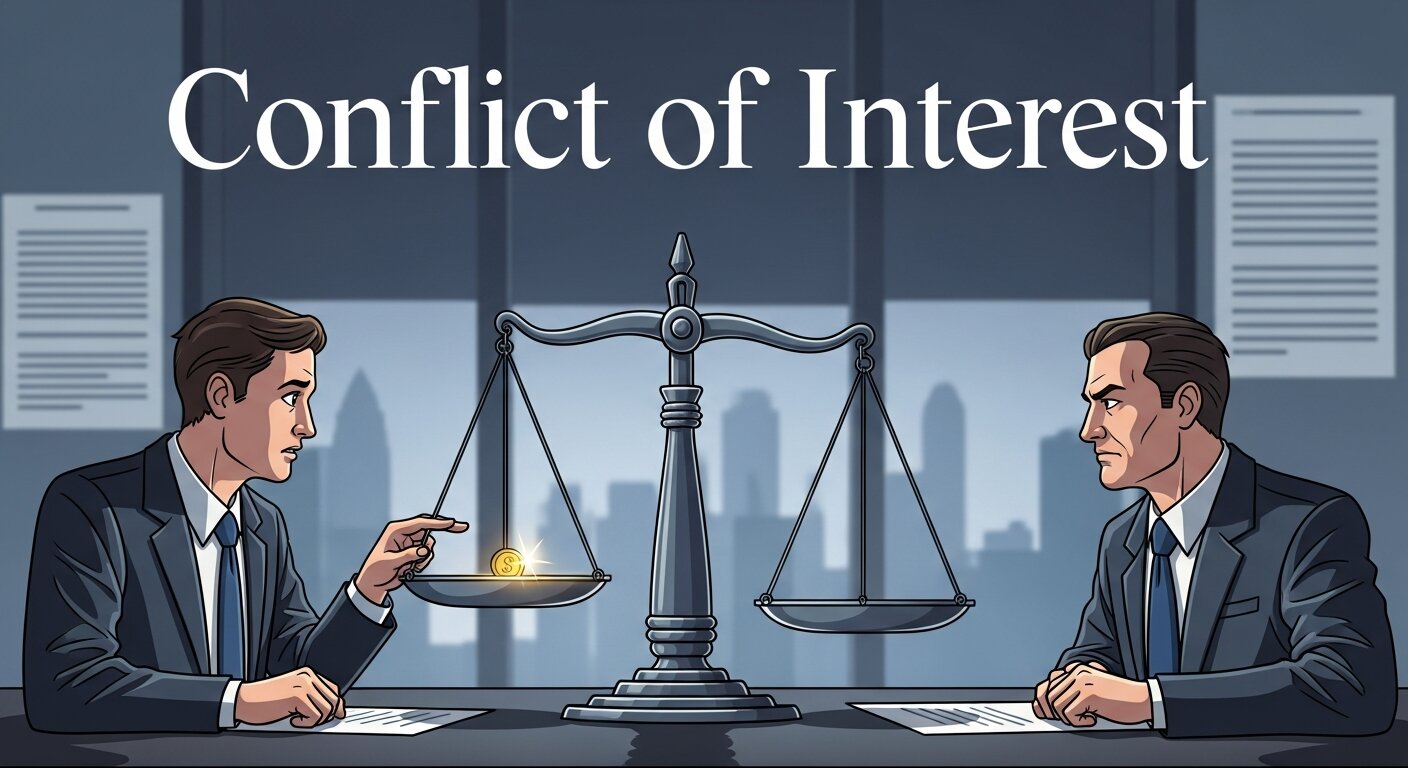
The Conflict of Interest (COI) Dilemma
To understand ethical Wikipedia page management, you must first understand the platform’s core philosophy. Wikipedia is not a marketing channel. It is not LinkedIn, and it is not your company website. It is a user-generated encyclopedia dedicated to neutrality.
The community of volunteer editors who maintain the site operates under a strict set of guidelines, the most prominent being the Conflict of Interest (COI) policy. This policy strongly discourages individuals from editing articles about themselves, their companies, or their clients. The logic is sound: it is nearly impossible to remain neutral when you have a financial or personal stake in the content.
When brands ignore this and attempt to “scrub” their pages or insert promotional language, they trigger the “Streisand Effect.” Editors, noticing the biased changes, will often revert the edits and scrutinize the page even harder, sometimes digging up more negative information to ensure “balance.” This leads to a digital tug-of-war that the brand will always lose.
Ethical management acknowledges this COI upfront. It shifts the goal from controlling the page to ensuring the page accurately reflects reliable, secondary sources.
The Three Pillars of Ethical Wikipedia Page Management
If you cannot directly edit the page, what can you do? Professional management involves a series of transparent, policy-compliant actions designed to improve the encyclopedia while correcting the record for the client.
1. The Talk Page Strategy
The “Talk Page” is the behind-the-scenes discussion forum attached to every Wikipedia article. This is where the sausage is made. Ethical Wikipedia page management involves using this space to request edits rather than making them directly on the live article.
Instead of deleting a sentence about a lawsuit, a manager would post a request on the Talk Page. They would present new, third-party evidence—perhaps a court document or a major news outlet reporting the lawsuit’s dismissal—and ask an independent volunteer editor to update the text.
This approach respects the community hierarchy. It says, “I have a conflict of interest, but here is a factual inaccuracy supported by sources. Can someone review this?” It is slow, and it requires patience, but it builds trust.
2. Sourcing and Verifiability
Wikipedia does not care what you know to be true; it cares what is verifiable. You might know that your company was founded in a garage in 1998, but if the only place that information exists is on your own website, it is not suitable for Wikipedia.
A major part of the work SanMo CA does involves auditing a client’s media footprint. Before we can propose an edit to a Wikipedia page, we must ensure the information is backed by reliable, independent secondary sources. These include national newspapers, academic journals, or reputable industry magazines. Press releases, company blogs, and social media posts generally do not count.
Ethical management often starts off Wikipedia. It involves public relations efforts to ensure that company milestones are covered by reputable journalists. Once that coverage exists, it can be used as a citation to improve the Wikipedia article.
3. Continuous Monitoring
Wikipedia is a living document. It changes daily. A page that is accurate today might be vandalized tomorrow, or a well-meaning editor might add incorrect information based on a misunderstood news report.
Passive observation is not enough. Active Wikipedia page management involves monitoring the article for changes. When vandalism occurs (which is common for high-profile brands), it must be flagged immediately. However, even here, the response must be measured. If the vandalism is obvious (e.g., profanity), it can usually be reverted quickly. If the change is substantive but incorrect, the ethical path is to return to the Talk Page and dispute the edit with evidence.
The Danger of “Black Hat” Editing
The internet is littered with agencies promising “guaranteed” Wikipedia pages or “instant” removal of negative content. These are the “black hat” operators of the industry. Their methods usually involve creating fake accounts (sockpuppets) to simulate independent editors, operating paid editing rings, or hiding their affiliation with the client.
These tactics might work for a week or a month. Eventually, they implode. Wikipedia has sophisticated algorithms and a dedicated task force of administrators who hunt down sockpuppets.
When a paid editing ring is exposed, the fallout is catastrophic.
- The Ban: The accounts are banned permanently.
- The Tag: A scarlet letter is placed at the top of the article, warning readers: “This article has been edited in return for payment.”
- The Purge: content associated with the paid editors is often nuked entirely, even if some of it was accurate.
At SanMo CA, we have seen companies spend years trying to recover from the reputational damage of a “black hat” engagement. The risk is simply not worth the short-term reward. Transparency is the only insurance policy against these outcomes.
Notability: The Gatekeeper of Wikipedia
One of the hardest conversations in Wikipedia page management is telling a client they do not qualify for a page. Not every company, no matter how successful, merits an article.
Wikipedia is governed by the General Notability Guideline (GNG). To warrant a standalone article, a subject must have received “significant coverage in reliable sources that are independent of the subject.”
- Significant coverage: Not just a passing mention or a directory listing. Deep, analytical coverage.
- Reliable sources: High-quality journalism or academia.
- Independent: Not written by the company, its PR firm, or its investors.
If a company does not meet these criteria, creating a page is a waste of resources. It will be nominated for deletion, and the resulting “Article for Deletion” (AfD) discussion will remain searchable on Google forever, serving as a permanent record that the company was deemed “non-notable.”
Ethical management involves assessing notability honestly. If a brand isn’t ready, the strategy shifts to building that notability through traditional PR and media relations until the threshold is met.
Navigating Crisis and Controversy
Every long-standing corporation eventually faces a crisis. When negative news breaks, it almost immediately lands on Wikipedia. This is often the point where executives panic. They see a “Controversy” section ballooning in size and want it gone.
Wikipedia follows a policy of “Due Weight.” This means an article should fairly represent all significant viewpoints that have been published by reliable sources, in proportion to the prominence of each viewpoint. If a company has a 50-year history of excellence and one week of bad press, the bad press should not dominate 50% of the article.
However, you cannot simply delete the controversy. Ethical management in this scenario involves:
- Ensuring Context: Making sure the controversy section accurately reflects the sources and isn’t sensationalized.
- Adding Resolution: Ensuring the article includes information about how the company resolved the issue, provided there are sources covering the resolution.
- Balancing the Page: Expanding under-represented sections (like history, products, or charitable work) with citations so the article provides a holistic view, rather than just a controversy log.
The Future of Brand Transparency
As the digital landscape evolves, the demand for transparency increases. Consumers are savvy. They can spot a sanitized marketing puff piece from a mile away. They trust Wikipedia specifically because it is raw and collaboratively written.
Attempting to subvert that trust is a losing battle. The future of Wikipedia page management belongs to those who respect the platform’s rules. It belongs to agencies like SanMo CA that act as bridges between corporate entities and the editorial community, facilitating the flow of accurate information without corrupting the process.
Managing a Wikipedia page is not about painting a perfect picture. It is about ensuring the portrait the world sees is grounded in fact, supported by evidence, and free from vandalism. It is about relinquishing the illusion of control in exchange for the stability of truth.
Frequently Asked Questions (FAQ)
Is it illegal to edit my own company’s Wikipedia page?
It is not illegal in a criminal sense, but it is a violation of Wikipedia’s Terms of Use if you do not disclose your employer, client, and affiliation. Failing to disclose paid editing can lead to your account being banned and the company page being flagged or deleted.
How much does it cost to get a Wikipedia page created?
If an agency gives you a flat price for a “guaranteed” page, run away. Ethical Wikipedia page management is a service based on time, research, and drafting, not a product you can buy off the shelf. Because the final decision rests with volunteer editors, no one can strictly guarantee a page will stick. Costs vary based on the complexity of the research required and the amount of media coverage available.
Why was my company’s page deleted?
The most common reason is a lack of “notability.” If your company does not have significant coverage in independent, reliable sources (like major newspapers or magazines), Wikipedia editors will delete the page. It can also be deleted if it reads too much like an advertisement or a resume.
Can I remove a “Controversy” section from my Wikipedia page?
Generally, no. If the controversy was covered by reliable news sources, it belongs in the article. However, you can manage the section to ensure it is accurate, neutral, and not given “undue weight” compared to the rest of the article.
How long does it take to update a Wikipedia page ethically?
The ethical process is slow. After submitting a request on the Talk Page, it can take anywhere from a few days to several months for a volunteer editor to review and implement the change. It depends entirely on the backlog of the volunteer community.
Embracing the Long Game
In the world of SEO and digital marketing, we often look for quick wins. Wikipedia offers none. It is a long game requiring diligence, research, and a thick skin. But the reward is a stabilized, high-authority asset that serves as the anchor of your digital identity.
By choosing ethical Wikipedia page management, you protect your brand from the embarrassment of a ban and contribute to the integrity of the world’s knowledge base. At SanMo CA, we help you navigate these gray areas, ensuring that when the world searches for you, they find a page that stands up to scrutiny.