Sending money used to mean standing in line at a bank, writing a check, or handing over cash. Those days are largely behind us. Digital payment solutions have reshaped the way individuals and businesses exchange money—making transactions faster, safer, and more convenient than ever before.
But with so many platforms, tools, and technologies on the market, figuring out which solution fits your needs can feel overwhelming. This post breaks it all down. From the different types of digital payment solutions available to the key features worth looking for, you’ll walk away with a clear picture of what works—and why it matters.
Whether you’re a small business owner looking to streamline your checkout process or an individual tired of fumbling for cash, understanding your options is the first step toward smarter, smoother transactions.
What Are Digital Payment Solutions?
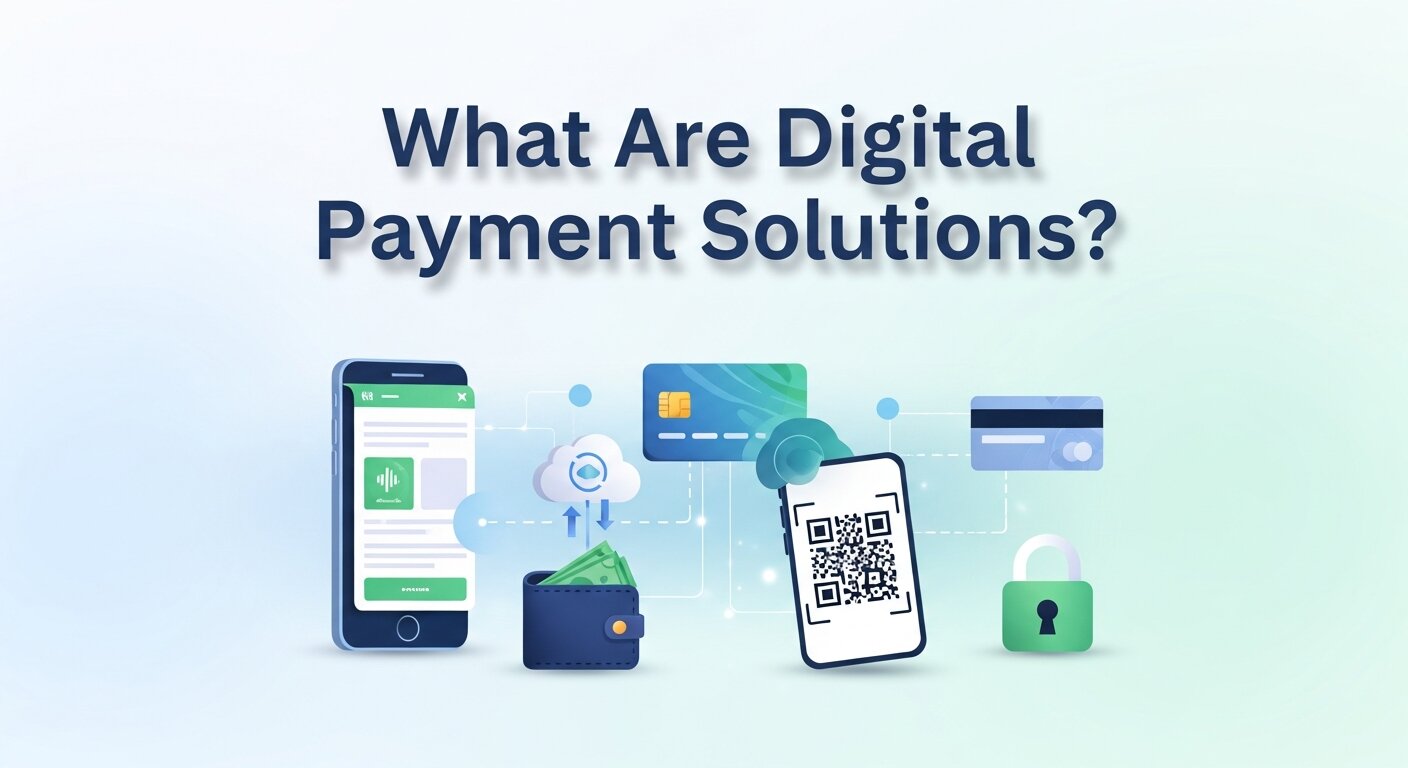 At their core, digital payment solutions are technologies that allow money to be transferred electronically. No paper, no physical exchange—just a secure transfer of funds from one account to another.
These solutions come in many forms. Some are consumer-facing apps. Others are backend payment processors built for businesses. Most operate through encrypted networks that protect sensitive financial data throughout every transaction.
The global digital payments market is growing rapidly, driven by the rise of e-commerce, smartphone adoption, and a growing demand for contactless experiences. For businesses and consumers alike, this shift isn’t just about convenience—it’s about keeping up with how the world now moves money.
Types of Digital Payment Solutions
Not all digital payment solutions are created equal. Different tools serve different purposes, and knowing the distinction helps you make better decisions.
Mobile Payment Apps
Apps like PayPal, Venmo, Apple Pay, and Google Pay allow users to send and receive money directly from their smartphones. These are popular for peer-to-peer transactions and are increasingly accepted by retailers for in-store and online purchases.
Mobile payments typically work through Near Field Communication (NFC) technology or QR codes, enabling contactless transactions at the point of sale. For everyday consumers, these apps offer a fast, low-friction way to pay.
Payment Gateways
For businesses operating online, a payment gateway is the engine behind every transaction. It’s the technology that connects a customer’s payment method to the merchant’s bank account, securely processing credit and debit card payments in real time.
Popular gateway providers include Stripe, Square, and Authorize.Net. These platforms integrate with e-commerce websites, allowing businesses to accept payments without building their own financial infrastructure from scratch.
Bank Transfers and ACH Payments
Automated Clearing House (ACH) transfers allow funds to move directly between bank accounts. They’re commonly used for payroll, bill payments, and B2B transactions where larger sums are involved.
ACH transfers are typically slower than card payments but often come with lower processing fees—making them a smart option for recurring or high-value transactions.
Buy Now, Pay Later (BNPL)
BNPL services like Afterpay, Klarna, and Affirm have surged in popularity, particularly in retail. These solutions allow consumers to split purchases into installments, often interest-free, at the point of checkout.
For businesses, BNPL can increase average order values and reduce cart abandonment. For consumers, it offers flexibility without the need for a traditional credit card.
Cryptocurrency Payments
While still niche, some businesses now accept Bitcoin, Ethereum, and other cryptocurrencies as payment. Blockchain-based transactions offer a decentralized alternative to traditional banking—appealing to users who prioritize privacy and reduced transaction fees for international transfers.
What to Look for in a Digital Payment Solution
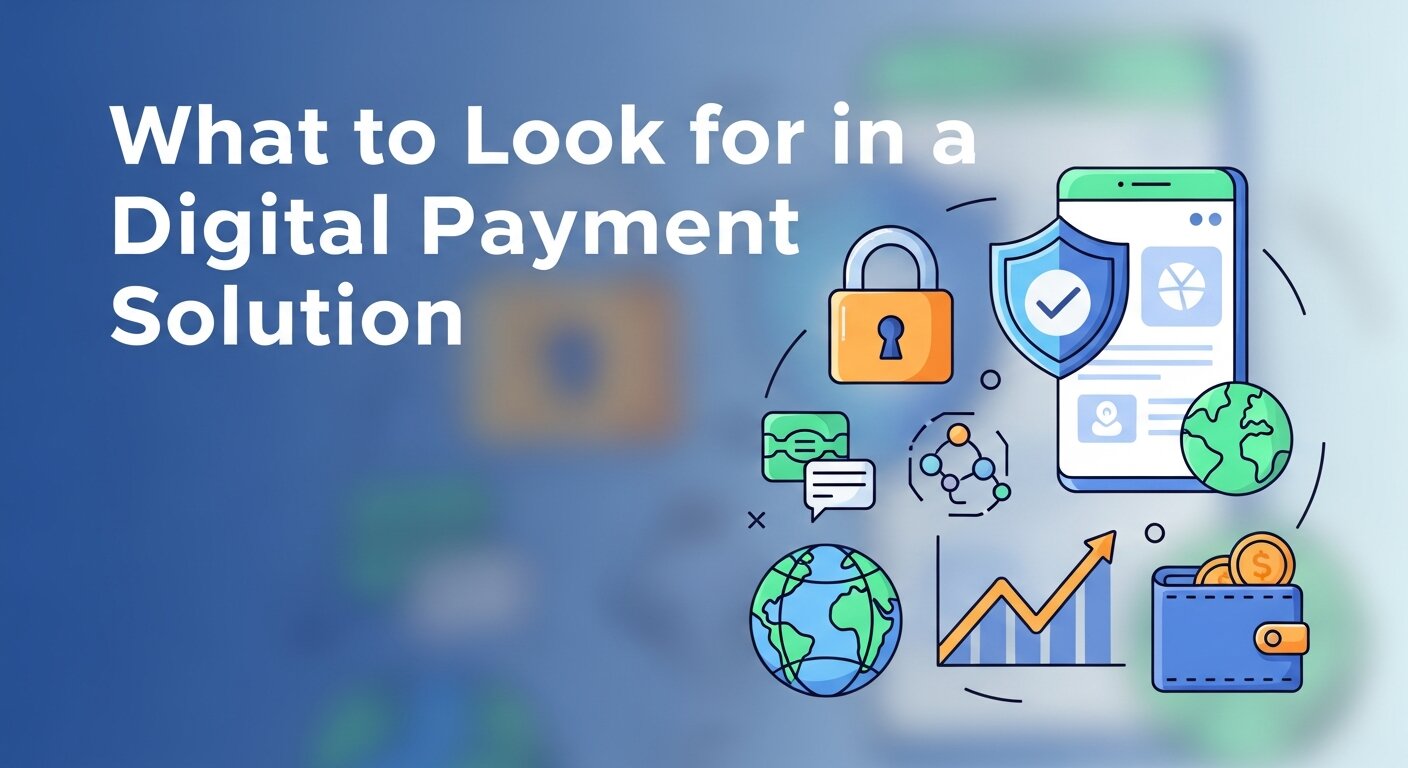 Choosing the right digital payment solution comes down to your specific needs. Here are the key factors to evaluate:
Security and Compliance
Any solution worth considering should comply with the Payment Card Industry Data Security Standard (PCI DSS). This set of requirements ensures that cardholder data is handled securely. Look for features like end-to-end encryption, tokenization, and two-factor authentication.
For businesses handling sensitive customer data, security is non-negotiable. A single data breach can damage both your reputation and your bottom line.
Transaction Fees
Fees vary widely across providers. Some charge a flat rate per transaction; others take a percentage of the sale. ACH transfers generally cost less than card payments, while premium features like fraud detection or advanced analytics may come at an additional cost.
For high-volume businesses, even small differences in fee structures can add up significantly over time. It’s worth running the numbers before committing to a platform.
Integration and Compatibility
Your payment solution should integrate smoothly with your existing systems—whether that’s your e-commerce platform, accounting software, or CRM. Poor integration leads to manual workarounds, data errors, and lost time.
Most major providers offer APIs and pre-built plugins for popular platforms like Shopify, WooCommerce, and QuickBooks. Always verify compatibility before signing up.
User Experience
A clunky checkout process costs sales. Research consistently shows that friction at the point of payment is one of the leading causes of cart abandonment. The best digital payment solutions prioritize simplicity—for both the business managing transactions and the customer completing them.
Customer Support
When something goes wrong with a payment, you need fast, reliable support. Evaluate providers not just on features and pricing, but on the quality of their customer service. Look for 24/7 availability, multiple contact channels, and a track record of resolving issues quickly.
How SanMo CA Approaches Digital Payments
For businesses and residents in the SanMo CA area, access to reliable digital payment solutions is increasingly important. Local businesses navigating both in-person and online sales need tools that handle diverse transaction types—from quick mobile payments at a local market to recurring billing for service-based businesses.
SanMo CA’s growing tech-forward community has seen a rise in businesses adopting integrated payment platforms that allow them to manage everything in one place. The ability to accept multiple payment types—cards, mobile wallets, ACH, and even BNPL—gives local businesses a competitive edge and makes life easier for their customers.
If you’re a business owner in the SanMo CA area exploring your options, the key is finding a solution that scales with your growth. Start with your current transaction volume and payment types, then look for a platform that can accommodate more as your needs evolve.
The Benefits of Going Digital with Payments
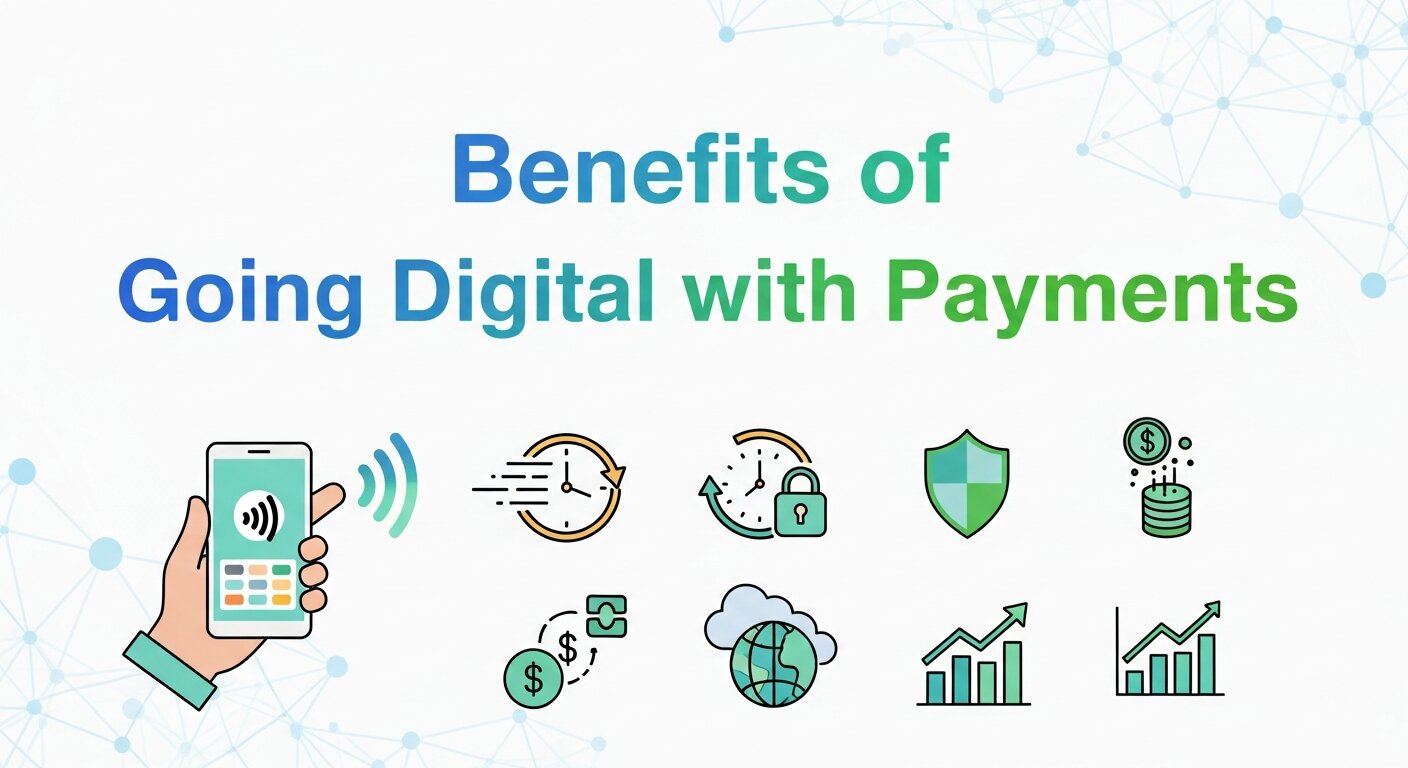 Still on the fence? Here’s a clear picture of what switching to digital payment solutions actually delivers:
Speed: Digital transactions settle faster than traditional methods. Many payment solutions offer same-day or next-day fund transfers, improving cash flow for businesses.
Convenience: Customers can pay from anywhere, at any time, using the device they already carry. Removing barriers to payment means fewer abandoned carts and more completed sales.
Transparency: Most digital payment platforms offer detailed transaction records, analytics dashboards, and reporting tools. That level of visibility makes bookkeeping simpler and audits less stressful.
Scalability: As your business grows, your payment system should grow with it. Digital solutions are designed to handle increased transaction volumes without requiring a complete infrastructure overhaul.
Global Reach: Digital payments eliminate geographic limitations. A business in SanMo, CA, can sell to customers in Singapore just as easily as to those down the street.
Common Challenges and How to Overcome Them
Digital payment solutions aren’t without their complications. Here are a few challenges businesses commonly face—and practical ways to address them.
Chargebacks: Disputed transactions can eat into revenue. Combat this by using fraud detection tools, maintaining clear refund policies, and keeping thorough transaction records.
Technical Downtime: No platform is immune to outages. Having a backup payment method available ensures you don’t lose sales during unexpected disruptions.
Customer Trust: Some customers remain cautious about sharing financial information online. Displaying security badges, SSL certificates, and clear privacy policies helps reassure hesitant buyers.
Multi-Currency Complexity: Businesses selling internationally need to account for currency conversion fees and tax implications. Many enterprise-grade payment platforms handle multi-currency transactions automatically, but it’s worth confirming before expanding globally.
Frequently Asked Questions
What is the most secure digital payment solution?
There’s no single “most secure” option, but solutions that offer end-to-end encryption, tokenization, and PCI DSS compliance provide the strongest protection. PayPal, Stripe, and Square are consistently rated among the most secure platforms available.
Are digital payment solutions suitable for small businesses?
Absolutely. Many platforms are specifically designed with small businesses in mind. Square, for example, offers a free card reader and a straightforward pricing structure that works well for low-volume sellers. As your business grows, you can upgrade to more advanced features.
How long does it take to set up a digital payment solution?
Setup times vary by provider. Some solutions, like PayPal or Stripe, can be set up in under an hour. Others that require deeper integration with existing systems may take a few days to configure properly.
What’s the difference between a payment gateway and a payment processor?
A payment gateway is the technology that captures and transfers payment data. A payment processor is the service that actually moves the money between the customer’s bank and the merchant’s account. Many providers bundle both services together, but they serve distinct functions in the transaction chain.
Do digital payment solutions work for subscription-based businesses?
Yes—and many are specifically optimized for recurring billing. Stripe, Chargebee, and Recurly are popular options for subscription businesses, offering automated billing, customizable billing cycles, and tools to manage failed payments.
Is it expensive to accept digital payments?
Costs depend on the provider and transaction volume. Most charge between 1.5% and 3% per transaction, with additional fees for international payments or advanced features. For most businesses, the revenue gained from offering convenient payment options far outweighs the processing costs.
Make Your Move to Smarter Payments
 Digital payment solutions have moved far beyond basic card readers and online checkouts. They now represent a full ecosystem of tools that help businesses operate more efficiently and give customers the seamless experience they expect.
The right solution depends on your transaction volume, customer base, and growth goals. Start by identifying your biggest pain points—whether that’s high fees, clunky checkout experiences, or limited payment options—and work backward from there.
For businesses in the SanMo CA area and beyond, the technology is accessible, scalable, and increasingly affordable. The longer you wait to modernize your payment infrastructure, the more ground you risk losing to competitors who already have.