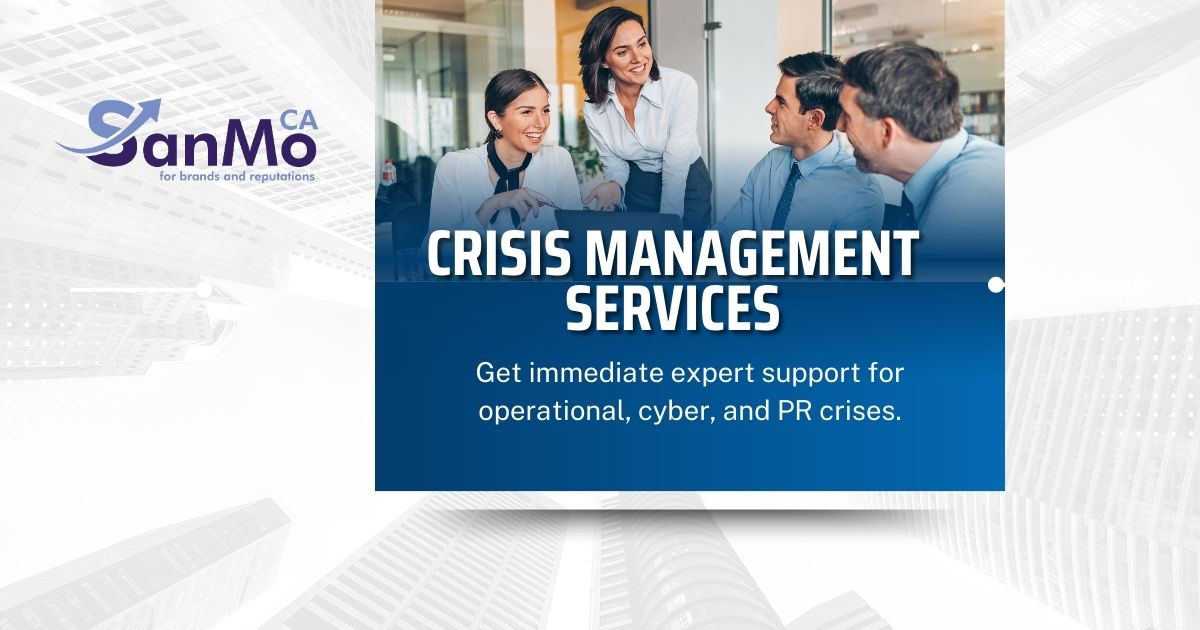
When your company faces a crisis, every second counts. A single negative news story, social media backlash, or operational failure can spiral out of control within hours, potentially destroying years of hard-earned reputation and trust. This is where professional crisis management services become not just helpful, but essential for business survival.
Crisis management services provide organizations with the expertise, tools, and strategic guidance needed to navigate through turbulent times. These specialized services help companies prepare for potential threats, respond effectively when crises occur, and recover stronger than before. Whether you’re dealing with a product recall, data breach, executive scandal, or public relations nightmare, having the right crisis management team can mean the difference between a temporary setback and permanent damage.
Understanding how crisis management services work and what they can offer your organization is crucial for protecting your brand’s reputation and ensuring business continuity during challenging times.
What Are Crisis Management Services?
Crisis management services encompass a comprehensive range of professional solutions designed to help organizations prevent, manage, and recover from various types of crises. These services typically include crisis planning and preparation, real-time crisis response, stakeholder communication management, media relations, and post-crisis recovery strategies.
Professional crisis management firms bring together experts from multiple disciplines, including public relations, communications, legal affairs, cybersecurity, and business continuity planning. This multidisciplinary approach ensures that all aspects of a crisis are addressed simultaneously, from protecting your company’s reputation to maintaining operational stability.
The scope of crisis management services extends far beyond damage control. These services help organizations build resilience, develop robust response protocols, and create systems that can quickly adapt to unexpected challenges. Many firms also provide ongoing monitoring services to identify potential threats before they escalate into full-blown crises.
Key Components of Professional Crisis Management
Proactive Crisis Planning
Effective crisis management begins long before any crisis occurs. Professional services start by conducting comprehensive risk assessments to identify potential vulnerabilities within your organization. This process involves analyzing your industry landscape, reviewing past incidents, and identifying specific threats that could impact your business.
Crisis planning services help develop detailed response protocols, establish clear chains of command, and create communication templates that can be quickly deployed when needed. These plans are regularly updated and tested through simulation exercises to ensure they remain effective and relevant.
Real-Time Response Coordination
When a crisis strikes, professional crisis management teams provide immediate response coordination. This includes establishing crisis command centers, activating communication protocols, and coordinating with relevant stakeholders, including employees, customers, media, and regulatory bodies.
Real-time response services ensure that your organization speaks with one unified voice during a crisis. This coordination prevents conflicting messages and helps maintain credibility while addressing the immediate concerns of all stakeholders.
Stakeholder Communication Management
Managing communication during a crisis requires specialized expertise and careful coordination. Crisis management services help craft appropriate messages for different stakeholder groups, ensuring that each audience receives relevant and accurate information in a timely manner.
This includes developing press releases, social media responses, customer communications, employee updates, and investor relations materials. The goal is to maintain transparency while protecting your organization’s interests and reputation.
Types of Crises Addressed by Professional Services
Operational Crises
Operational crises include product defects, supply chain disruptions, workplace accidents, and service failures. These situations can quickly escalate if not handled properly, potentially leading to regulatory investigations, lawsuits, and significant reputation damage.
Crisis management services help organizations respond to operational issues by developing corrective action plans, managing regulatory compliance, and communicating effectively with affected customers and stakeholders.
Reputational Crises
Reputational crises often stem from negative media coverage, social media backlash, executive misconduct, or ethical violations. These situations require careful management to prevent long-term damage to brand reputation and customer trust.
Professional crisis management teams specialize in reputation recovery strategies, including media relations, social media management, and stakeholder engagement campaigns designed to rebuild trust and credibility.
Cybersecurity Incidents
Data breaches, cyberattacks, and security incidents require immediate response to protect sensitive information and maintain customer confidence. Crisis management services coordinate technical response efforts with communication strategies to address security concerns while maintaining transparency.
This includes managing regulatory notifications, customer communications, media inquiries, and legal considerations that arise from cybersecurity incidents.
Benefits of Professional Crisis Management Services
Immediate Expert Response
Professional crisis management services provide access to experienced experts who can quickly assess situations and implement appropriate response strategies. This immediate expertise prevents common mistakes that can escalate crises and cause additional damage.
Having professional support available 24/7 ensures that your organization can respond effectively regardless of when a crisis occurs, minimizing the potential impact on your reputation and operations.
Objective Perspective
During a crisis, internal teams often struggle to maintain objectivity due to emotional involvement and organizational pressures. External crisis management professionals bring an objective perspective that helps identify the best course of action without internal biases.
This objectivity is particularly valuable when making difficult decisions about transparency, accountability, and strategic responses that may have long-term implications for your organization.
Resource Optimization
Crisis management services help organizations allocate resources effectively during high-stress situations. Professional teams can quickly identify priorities, coordinate response efforts, and ensure that resources are focused on the most critical aspects of crisis response.
This optimization prevents waste of valuable time and resources while ensuring that all essential crisis response activities receive appropriate attention and support.
Selecting the Right Crisis Management Partner
Industry Experience and Expertise
When choosing crisis management services, prioritize firms with specific experience in your industry and with similar types of crises. Industry-specific knowledge helps ensure that response strategies are appropriate for your regulatory environment, stakeholder expectations, and operational realities.
Look for firms that can demonstrate successful outcomes from past crisis management engagements and provide references from clients who have faced similar challenges.
Response Capabilities and Resources
Evaluate potential crisis management partners based on their response capabilities, including availability, resource depth, and geographic coverage. Ensure that they can provide immediate response when needed and have sufficient resources to handle complex, multi-faceted crises.
Consider factors such as media relations expertise, digital communication capabilities, legal support, and technical resources that may be needed during different types of crises.
Integration with Your Organization
Effective crisis management requires seamless integration between external consultants and your internal teams. Choose partners who can work effectively with your existing organizational structure and communication processes.
The best crisis management services adapt their approach to your company culture while bringing their expertise and best practices to enhance your crisis response capabilities.
Building Long-Term Crisis Resilience
Professional crisis management services extend beyond immediate crisis response to help organizations build long-term resilience. This includes developing crisis prevention strategies, improving organizational communication systems, and building internal crisis management capabilities.
Ongoing partnership with crisis management professionals helps organizations learn from each incident, refine their response protocols, and strengthen their ability to handle future challenges. This continuous improvement approach reduces the likelihood of future crises and minimizes their potential impact when they do occur.
Regular crisis simulation exercises, stakeholder relationship building, and reputation monitoring services help maintain organizational readiness and build trust with key audiences before crises occur.
Preparing for the Unexpected
Crisis management services provide organizations with the confidence and capabilities needed to face unexpected challenges while protecting their reputation and stakeholder relationships. By investing in professional crisis management support, organizations can turn potential disasters into opportunities to demonstrate their values, competence, and commitment to their stakeholders.
The key to successful crisis management lies in preparation, professional expertise, and swift action. Organizations that partner with experienced crisis management services are better positioned to navigate challenges, protect their reputation, and emerge stronger from difficult situations.
Consider evaluating your current crisis preparedness and exploring how professional crisis management services can enhance your organization’s resilience and response capabilities.