E-commerce is a noisy marketplace. Every day, thousands of new online stores launch, all vying for the same eyeballs and wallets. You might have the best product in the niche and a beautiful website, but if you rely solely on social media algorithms or expensive pay-per-click advertising to drive sales, you are building your house on rented land. One algorithm update or ad price hike could cripple your revenue stream overnight.
This is where a robust email marketing service becomes your most valuable asset. Unlike social media followers, you own your email list. It provides a direct line of communication to your customers, free from the interference of third-party gatekeepers. However, simply collecting addresses and blasting out a generic newsletter once a month isn’t enough. To truly succeed, you need a strategy that nurtures leads, converts browsers into buyers, and turns one-time purchasers into loyal brand advocates.
At SanMo CA, we understand that email is the backbone of customer retention. It is about sending the right message to the right person at the exact moment they are ready to engage. Whether you are a startup looking to make your first 100 sales or an established brand scaling to new heights, leveraging a professional email marketing service is the key to unlocking sustainable growth. This guide covers the essential strategies you need to implement to transform your email list into a revenue-generating machine.
Why Email Remains the King of ROI
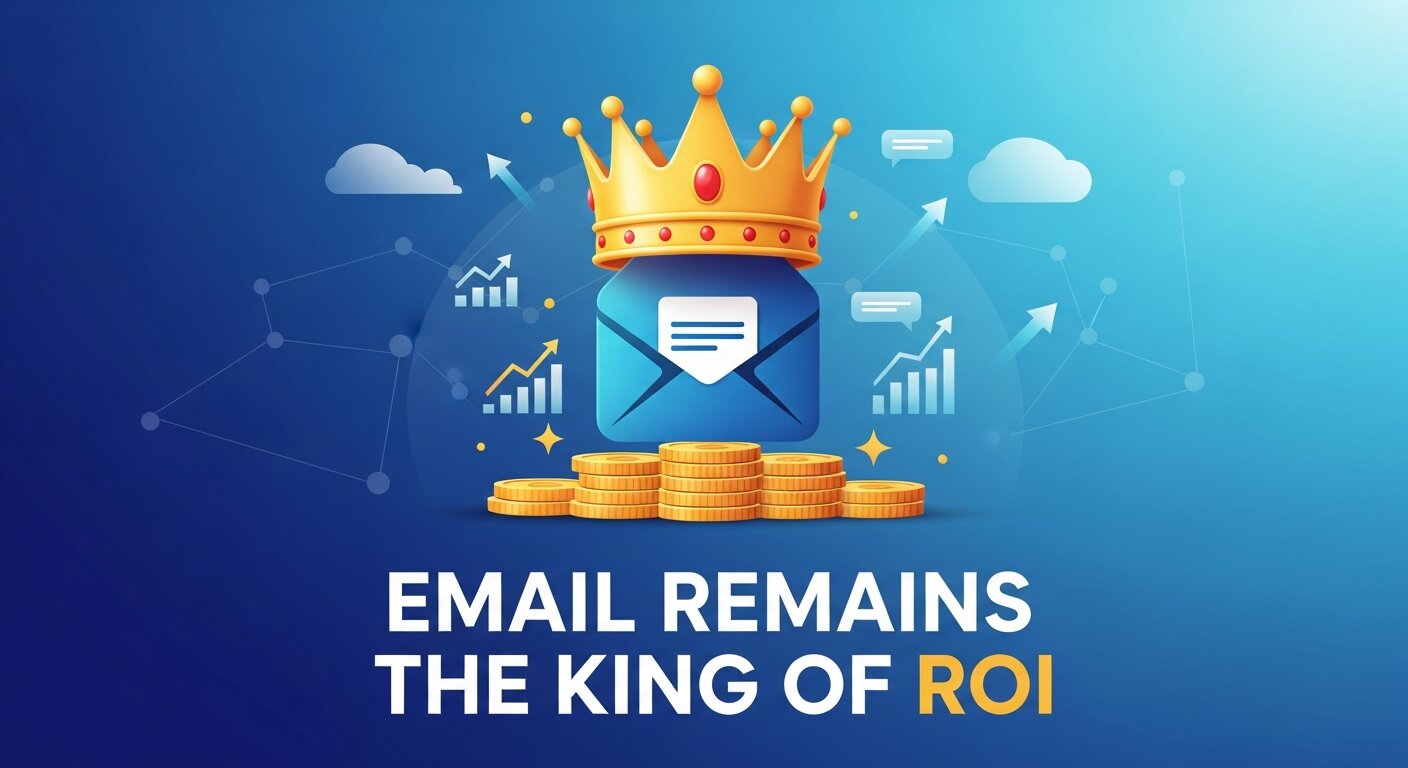
Rumors of email’s death have been greatly exaggerated for years. While new channels like TikTok and Threads grab headlines, email continues to deliver the highest return on investment (ROI) of any marketing channel. Studies consistently show that for every $1 spent on email marketing, businesses can expect an average return of $42.
Why is the ROI so high? Because email allows for hyper-targeted communication. When a customer gives you their email address, they are inviting you into their personal digital space. This permission-based marketing builds trust. A sophisticated email marketing service allows you to track user behavior—what they looked at, what they bought, and when they opened your last message—and use that data to tailor your future communications.
Furthermore, email is mobile-first. Most people check their inbox on their phone multiple times a day. By optimizing your campaigns for mobile devices, you put your store in your customers’ pockets, ready to be accessed whenever they have a spare moment.
The Foundation: Automated Flows That Print Money
The true power of an e-commerce email marketing service lies in automation. These are emails triggered by specific customer actions, running in the background while you focus on product development or operations. If you are manually sending every email, you are doing it wrong. Here are the non-negotiable flows you need to set up.
The Welcome Series
Your welcome email is the digital equivalent of a shop assistant greeting a customer at the door. It sets the tone for the relationship. Do not just send a receipt or a generic “Thanks for subscribing.”
A high-converting welcome series should be a sequence of 3-4 emails:
- Immediate Gratification: Deliver the discount code or lead magnet you promised.
- Brand Story: A day later, introduce your brand’s mission. Why do you exist? Who are the people behind the product?
- Social Proof: Show, don’t just tell. Share reviews, user-generated content, or press mentions to build credibility.
- Best Sellers: Guide them toward the products they are most likely to buy.
Cart Abandonment Recovery
Nearly 70% of online shopping carts are abandoned. That is a staggering amount of potential revenue left on the table. An effective email marketing service can detect when a user adds items to their cart but leaves without checking out.
Triggers should be timely. Send the first reminder one hour after abandonment. Keep it helpful—ask if they had technical issues. Send a second email 24 hours later, perhaps creating a sense of urgency (e.g., “Stock is running low”). If they still haven’t purchased, a third email 48 hours later offering a small discount can often seal the deal.
Post-Purchase Nurturing
The transaction shouldn’t mark the end of the conversation. In fact, a repeat customer is significantly easier and cheaper to convert than a new one. Your post-purchase flow should express gratitude, provide care instructions for the product, and eventually request a review.
Once the customer has had time to enjoy the product, this flow can transition into cross-selling. If they bought a coffee machine, suggest your premium beans. If they bought running shoes, suggest high-performance socks. This increases Customer Lifetime Value (CLV) automatically.
Segmentation: The Antidote to “Unsubscribe”
One of the quickest ways to burn out your email list is to send the same message to everyone. A customer who just bought a winter coat does not need a promotional email about winter coats the next day. This irrelevance leads to unsubscribes.
Modern email marketing services allow for deep segmentation. You should be tagging your subscribers based on:
- Purchase History: VIPs (high spenders) vs. One-time buyers.
- Demographics: Location (don’t sell swimsuits to customers in a blizzard) or gender.
- Engagement: Actives (open every email) vs. Dormants (haven’t opened in 90 days).
SanMo CA recommends treating your VIP segment with white-glove service. Give them early access to sales, exclusive products, or behind-the-scenes content. Make them feel special, and they will reward you with loyalty. Conversely, create “win-back” campaigns for dormant subscribers to re-engage them before scrubbing them from your list entirely.
Design and Content: Finding the Balance
There is a constant debate in e-commerce: plain text vs. HTML design. Heavy, image-rich emails look professional and showcase products beautifully, but they can sometimes trigger spam filters or load slowly on mobile data. Plain text emails feel personal and often have higher deliverability rates.
The best strategy is usually a hybrid approach. Use a clean, branded template provided by your email marketing service for product launches and newsletters. Use stripped-back, text-heavy styles for personal notes from the founder or customer support check-ins.
Regardless of the design, the content must deliver value. The 80/20 rule applies here: 80% of your content should be educational, entertaining, or valuable, and only 20% should be hard selling. If you sell skincare, send tips on managing breakouts or hydration, not just “Buy Now” buttons. If you sell cookware, send recipes. When you provide value, customers actually look forward to opening your emails.
Deliverability: Getting into the Inbox
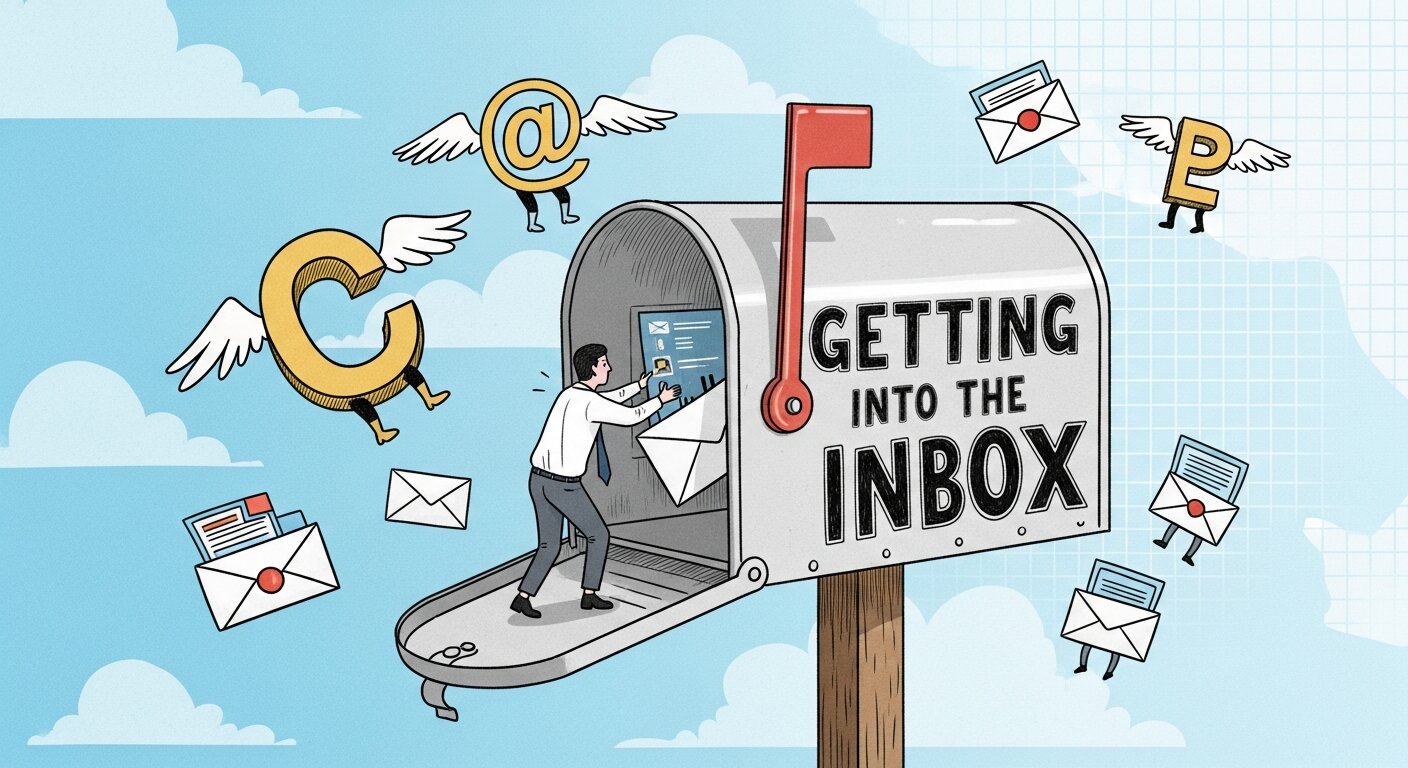
You can craft the perfect subject line and design a stunning graphic, but it means nothing if your email lands in the Spam folder. Deliverability is the technical side of email marketing that often gets overlooked.
To ensure your emails land in the primary inbox:
- Authenticate your domain: Set up SPF, DKIM, and DMARC records. Your email marketing service support team can help with this.
- Clean your list: Regularly remove inactive subscribers. Sending emails to “dead” accounts hurts your sender reputation.
- Avoid spam trigger words: Excessive use of “FREE,” “$$$,” or all-caps subject lines can trigger filters.
- Make unsubscribing easy: It sounds counterintuitive, but if people can’t find the unsubscribe button, they will mark you as spam, which is far worse for your reputation.
Personalization at Scale: Making Every Email Feel 1-to-1
Modern e-commerce customers expect brands to understand their preferences, not treat them like anonymous subscribers. Personalization goes far beyond adding a first name in the subject line. A powerful email marketing service enables dynamic content that adapts based on browsing behavior, past purchases, and engagement history. For example, two customers receiving the same campaign can see completely different products, offers, or messaging. This level of relevance dramatically increases open rates, click-through rates, and conversions. Personalization also reduces email fatigue, as subscribers only receive content that aligns with their interests. When customers feel understood, they are more likely to trust your brand and return for repeat purchases, making personalization one of the highest-impact strategies in e-commerce email marketing.
Lifecycle Email Marketing: Communicating at Every Stage
Every customer is on a journey—from first discovery to loyal advocate—and each stage requires a different message. Lifecycle email marketing focuses on aligning communication with where the customer currently stands. New subscribers need education and reassurance, first-time buyers need confidence and support, and loyal customers deserve recognition and exclusivity. A professional email marketing service maps these stages and automates targeted messaging accordingly. This prevents over-selling to new users and under-engaging your most valuable customers. By delivering relevant emails throughout the lifecycle, brands can improve retention, increase average order value, and reduce churn. Lifecycle-based communication ensures no subscriber feels ignored or overwhelmed, creating a smoother and more profitable customer experience.
Data-Driven Optimization: Turning Insights into Revenue
Guesswork has no place in successful email marketing. Every campaign generates valuable data that can be used to refine future performance. A robust email marketing service provides insights into open rates, click behavior, conversion paths, and revenue attribution. These metrics help identify what resonates with your audience and what falls flat. A/B testing subject lines, send times, layouts, and calls-to-action allows continuous improvement without risking performance. Over time, small optimizations compound into significant revenue growth. Brands that rely on data-driven decisions consistently outperform competitors who rely on intuition alone. By tracking, testing, and optimizing, email marketing becomes a predictable and scalable revenue channel rather than an experimental one.
Compliance and Trust: Protecting Your Brand Reputation
Trust is the foundation of long-term email marketing success. Customers are increasingly aware of data privacy, and non-compliance can quickly damage brand credibility. A professional email marketing service helps ensure adherence to regulations such as GDPR, CAN-SPAM, and other regional laws. This includes proper consent management, clear opt-in processes, and transparent unsubscribe options. Compliance is not just a legal requirement—it is a trust signal. When subscribers know their data is handled responsibly, they are more likely to engage with your emails. Maintaining high ethical standards also protects deliverability and sender reputation. In the long run, compliance-driven email practices build stronger relationships and safeguard your brand’s future.
Choosing the Right Service
Not all platforms are created equal. When selecting an email marketing service for your e-commerce business, look for specific features that align with your goals.
Integration is key: The tool must integrate seamlessly with your e-commerce platform (Shopify, WooCommerce, Magento, etc.). This allows the flow of data regarding inventory, customer purchase history, and behavioral tracking.
Analytics capabilities matter: You need to move beyond “Open Rate.” Look for a service that tracks revenue per email. You need to know exactly how many dollars Campaign A generated compared to Campaign B.
Scalability: Will the service grow with you? As your list grows from 500 to 50,000 subscribers, the pricing structure and feature set should accommodate that growth without forcing you to migrate to a new platform—a process that can be technically painful.
Frequently Asked Questions
How often should I send marketing emails?
Consistency is more important than frequency. For most e-commerce brands, 1-2 times per week is the sweet spot. Sending daily can fatigue your audience and spike unsubscribe rates, while sending once a month might cause them to forget who you are. Test different frequencies with your audience to see what they prefer.
What is the difference between a CRM and an Email Marketing Service?
A Customer Relationship Management (CRM) tool is a database that stores contact details and interaction history, often used by sales teams for B2B. An email marketing service is designed for one-to-many communication, automation, and mass campaigns. However, many modern platforms combine both, offering “e-commerce CRM” features within the email tool.
My open rates are low. How can I fix them?
First, check your subject lines—are they boring or clickbait? Try A/B testing different styles. Second, check your sender name; it should be recognizable (e.g., “Sarah from SanMo” or just the brand name). Third, scrub your list. If you are emailing people who haven’t opened a message in a year, they are dragging your average down.
Can I buy an email list to get started fast?
Never buy an email list. It violates GDPR and CAN-SPAM regulations, destroys your sender reputation, and results in terrible conversion rates because those people do not know you or want your product. Build your list organically through pop-ups, lead magnets, and checkout opt-ins.
How does SanMo CA help with email marketing?
SanMo CA specializes in helping businesses navigate the digital landscape. We help you select the right email marketing service, set up your automation flows, and craft strategies that align with your specific business goals, ensuring you get the maximum return on your investment.
Taking the Next Step
Email marketing is not a “set it and forget it” tactic, but it is the most reliable engine for e-commerce growth. By choosing the right email marketing service and implementing the strategies outlined above—segmentation, automation, and value-driven content—you can build a resilient brand that thrives regardless of market fluctuations.
Don’t let your customers slip away to competitors. Start building your email strategy today. If you need guidance on tooling or strategy, SanMo CA is here to help you turn your subscriber list into your biggest revenue driver.