In the early days of software, purchasing a program meant buying a physical disk, installing it on a single machine, and hoping it didn’t crash before you saved your work. Updates were rare, collaboration was nearly impossible, and scaling required significant hardware investment.
That model is now a relic. The Software as a Service (SaaS) revolution didn’t just change how we access software; it fundamentally altered how businesses operate. Today, digital-first companies don’t just use software—they live in it. From communication tools like Slack to customer relationship management platforms like Salesforce, the modern enterprise is built on the cloud.
However, the market is shifting again. We are moving past the era of generic, one-size-fits-all platforms. The next generation of digital-first businesses demands more. They require agility, hyper-personalization, and seamless integration. This is where next-gen SaaS development services come into play.
For companies looking to stay ahead, understanding the trajectory of SaaS development is no longer optional—it is a strategic necessity. Whether you are a startup in Silicon Valley or an enterprise looking to modernize, the right development partner can be the difference between disruption and obsolescence.
The Evolution of SaaS: From Convenience to Necessity
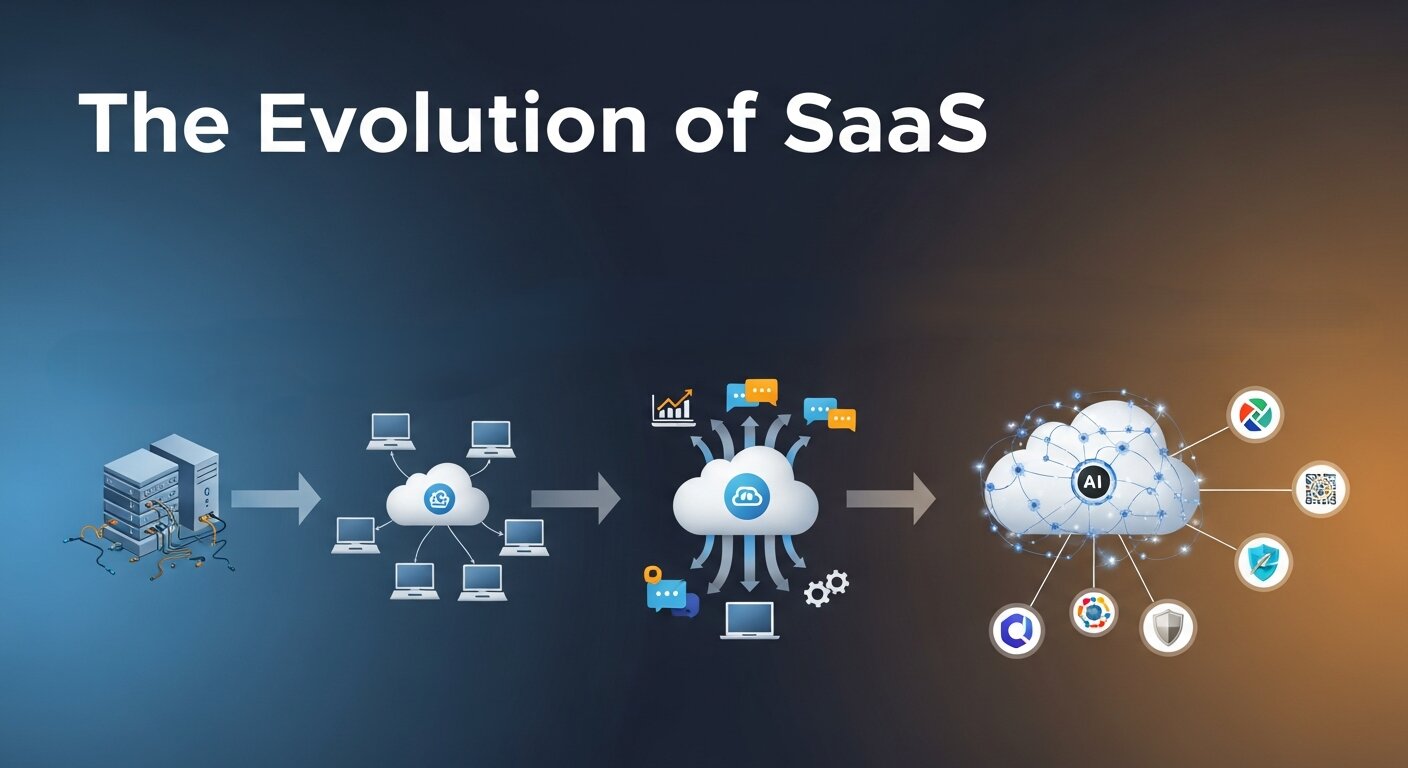
To understand where we are going, we have to look at where we’ve been. The first wave of SaaS was about accessibility. It moved software from on-premise servers to the cloud, allowing users to access tools via a web browser. This democratization of technology leveled the playing field, allowing small businesses to access enterprise-grade tools.
The second wave was about integration. APIs (Application Programming Interfaces) allowed different software to talk to each other. Your email marketing tool could now sync with your CRM, and your accounting software could pull data from your bank automatically.
Now, we are entering the third wave: Next-Gen SaaS. This era is defined by intelligence and autonomy. It isn’t just about tools that work online; it’s about platforms that learn, adapt, and predict.
What Defines “Next-Gen” SaaS?
Next-gen SaaS isn’t just a buzzword; it represents a specific set of architectural and functional shifts in software development.
- AI and Machine Learning at the Core: It’s no longer enough to have a “smart” feature. Next-gen platforms are built with AI as a foundational element, automating complex workflows and providing predictive analytics.
- Microservices Architecture: Monolithic applications are being replaced by microservices—small, independent services that communicate over APIs. This allows for faster updates and greater scalability.
- Serverless Computing: Developers are moving away from managing servers. Serverless architectures allow applications to scale automatically based on demand, reducing costs and operational overhead.
- Hyper-Personalization: The user experience is no longer static. Interfaces and functionalities adapt to individual user behaviors and preferences in real-time.
Why Digital-First Businesses Need Specialized Development
A “digital-first” business is one that places technology at the core of its strategy, rather than treating it as a support function. For these organizations, off-the-shelf software often falls short.
The Limitation of Generic Solutions
While popular SaaS products cover 80% of business needs, that final 20% is often where the competitive advantage lies. A logistics company might use a standard ERP system, but if they want to route trucks based on real-time weather and traffic data specific to their fleet, a generic tool won’t cut it.
Custom SaaS development services bridge this gap. By building bespoke solutions or heavily customizing existing platforms, businesses can create workflows that are perfectly aligned with their operational goals.
Speed to Market vs. Long-Term Scalability
One of the biggest challenges for digital-first businesses is balancing speed with scalability. You need to launch quickly to capture market share, but you also need a system that won’t crumble under the weight of success.
This is where next-gen development practices shine. By utilizing modular architectures and DevOps practices like CI/CD (Continuous Integration/Continuous Deployment), developers can release features rapidly without breaking the build.
Key Trends Shaping SaaS Development Services in 2026
If you are looking to hire a development partner or build an internal team, these are the trends you need to be aware of.
1. The Rise of Vertical SaaS
Horizontal SaaS products target a wide audience (think Microsoft Office or Zoom). Vertical SaaS targets a specific industry (e.g., software specifically for dental practice management or construction site logistics).
Vertical SaaS is exploding because it solves specific problems that broad tools cannot address. Development services are increasingly specializing in these niches, bringing deep industry knowledge to the coding process.
2. Low-Code and No-Code Integration
The democratization of development is speeding up. Next-gen SaaS platforms often include low-code capabilities, allowing non-technical users to build dashboards, workflows, or even simple apps within the ecosystem.
For professional developers, this shifts the focus. Instead of writing boilerplate code for basic functions, they can focus on complex logic and architecture.
3. Enhanced Cybersecurity and Compliance
As data breaches become more common and regulations like GDPR and CCPA become stricter, security is paramount. Next-gen SaaS development incorporates “Security by Design.” This means security protocols are not added at the end of the development cycle but are woven into the fabric of the code from day one.
4. API-First Design
In the past, APIs were often an afterthought—a way to let other people access your data. Today, successful SaaS platforms are built “API-first.” This means the API is designed before the user interface. This approach ensures that the platform is fundamentally connectable and extensible, a critical requirement for enterprise clients.
The Role of SanMo CA in the Tech Landscape
While Silicon Valley gets the headlines, innovation is decentralized. Companies like SanMo CA are emerging as pivotal players in the SaaS development space. Located at the intersection of technological expertise and strategic business insight, SanMo CA exemplifies the modern development partner.
Choosing a partner isn’t just about finding someone who can code. It’s about finding a team that understands the business logic behind the software. SanMo CA focuses on this alignment, ensuring that every line of code serves a business objective. Whether it is optimizing cloud infrastructure for cost savings or implementing advanced AI algorithms for customer retention, the focus remains on value generation.
How to Choose the Right SaaS Development Partner
Selecting a vendor for SaaS development services is a high-stakes decision. The wrong partner can lead to bloated budgets, missed deadlines, and a product that users hate. Here is a framework for making the right choice.
Technical Proficiency vs. Domain Expertise
You need a team that knows the latest tech stack (React, Node.js, Python, AWS, etc.), but technical skill is table stakes. Look for domain expertise. If you are building a FinTech app, you need developers who understand compliance and financial security, not just how to build a pretty interface.
The Cultural Fit
Software development is an iterative, collaborative process. You will be working with this team for months, maybe years.
- Communication: Do they speak your language, or do they hide behind jargon?
- Transparency: Are they open about challenges and delays?
- Agility: Can they pivot when the market changes?
Post-Launch Support
The launch is just the beginning. A SaaS product is a living organism that requires maintenance, updates, and optimization. Ensure your agreement covers post-launch support. Who handles the bugs? Who manages the server downtime?
The Development Lifecycle: What to Expect
Building a next-gen SaaS platform is a journey. Here is what the process typically looks like with a top-tier provider.
Phase 1: Discovery and Strategy
Before a single line of code is written, a deep dive is required. This phase involves market research, user persona development, and defining the MVP (Minimum Viable Product). The goal is to validate assumptions and create a roadmap.
Phase 2: UI/UX Design
In the SaaS world, design is not just about aesthetics; it is about function. Users expect intuitive interfaces. If they have to read a manual to use your software, you have already lost. This phase focuses on wireframing, prototyping, and user testing.
Phase 3: Development
This is the build phase. Using agile methodologies, the development team works in “sprints”—short cycles of development that result in shippable features. This allows for constant feedback and adjustment.
Phase 4: Testing and QA
Quality Assurance (QA) is critical. Automated and manual testing ensures that the software is bug-free, secure, and performs well under load.
Phase 5: Deployment and Scaling
The product goes live. But the work isn’t done. The team monitors performance, gathers user feedback, and begins the cycle again for the next set of features.
The Future is Composable
The ultimate destination for next-gen SaaS is the “Composable Enterprise.” In this model, businesses don’t buy a monolith; they assemble their tech stack from best-of-breed components.
Imagine a business where the e-commerce engine is from Vendor A, the personalization AI is from Vendor B, and the inventory management is a custom microservice built in-house. All of these components talk to each other seamlessly via APIs.
This approach offers unparalleled flexibility. If a better AI tool comes along, you can swap out that component without rebuilding the entire system. Next-gen SaaS development services are the architects of this future, building the connectors and the custom blocks that make composability possible.
Conclusion: Investing in Your Digital Backbone
Software is no longer just a tool; it is the backbone of the modern enterprise. For digital-first businesses, the quality of their SaaS infrastructure directly correlates to their ability to innovate and compete.
Investing in next-gen SaaS development services is an investment in agility. It is a commitment to building a business that is resilient, scalable, and intelligent. Whether you are partnering with innovators like SanMo CA or building an internal powerhouse, the focus must remain on creating value through technology.
The third wave of SaaS is here. Is your business ready to ride it?
Frequently Asked Questions
What are the main benefits of using specialized SaaS development services?
Specialized services provide expertise that goes beyond basic coding. They offer strategic consulting, ensuring the software aligns with business goals. They also bring knowledge of the latest architectures (like microservices and serverless), which ensure the product is scalable and future-proof. Additionally, they often have robust security protocols and compliance knowledge specific to your industry.
How does “Vertical SaaS” differ from traditional SaaS?
Traditional (Horizontal) SaaS is designed for a broad range of industries—think of a general accounting tool like QuickBooks. Vertical SaaS is purpose-built for a specific industry, such as software designed exclusively for managing commercial real estate or running a veterinary clinic. Vertical SaaS offers deeper functionality for specific workflows that broad tools miss.
Why is API-first design important for modern businesses?
API-first design ensures that your software can easily connect with other tools. In a digital-first ecosystem, no software lives in a vacuum. Your CRM needs to talk to your email tool, which needs to talk to your analytics dashboard. An API-first approach makes these integrations seamless and stable, allowing for a “composable” tech stack.
What role does SanMo CA play in SaaS development?
SanMo CA represents a new breed of development partners that combine high-level technical engineering with business strategy. They focus on building bespoke, scalable solutions that drive tangible business outcomes, rather than just delivering code. They help companies navigate the complex transition from legacy systems to modern, cloud-native architectures.
How long does it typically take to build a custom SaaS platform?
The timeline varies significantly based on complexity. A simple MVP (Minimum Viable Product) might take 3 to 4 months. A complex enterprise solution with AI integration and high-level security compliance could take 9 to 12 months or more. An agile development partner will typically release features in stages, allowing you to go to market faster while continuing to add functionality.