It takes twenty years to build a reputation and five minutes to ruin it. Warren Buffett’s famous quote has never been more accurate than it is right now. The internet never sleeps, and neither do the conversations about your business. Every minute, customers are sharing their experiences on social media, writing reviews on third-party sites, and discussing your products in forums.
For business owners and marketing directors, this constant stream of information can feel overwhelming. You cannot be everywhere at once. However, ignoring these conversations is not an option. A single unanswered complaint can spiral into a PR crisis, while a missed positive review is a wasted opportunity to build brand loyalty.
This is where brand monitoring services step in. They act as your eyes and ears across the digital landscape, ensuring you never miss a mention. By integrating these services into your online reputation management strategy, you move from reactive damage control to proactive brand building.
Understanding the Basics of Brand Monitoring
At its core, brand monitoring is the process of tracking different channels to identify where your brand is mentioned. This goes far beyond setting up a Google Alert. Professional monitoring involves sophisticated software and strategies to track mentions across social media platforms, blogs, news sites, forums, and review aggregators.
But it is not just about counting mentions. It is about understanding the context. Is the sentiment positive, neutral, or negative? Who is doing the talking—an influencer with a million followers or a bot? What specific keywords are associated with your brand?
The Scope of Monitoring
Effective monitoring casts a wide net. It tracks:
- Brand Name: Variations and misspellings of your company name.
- Product Names: Specific items or services you offer.
- Key Personnel: The names of your CEO, executives, or public-facing staff.
- Competitors: What people are saying about your rivals.
- Industry Terms: Broader trends that affect your market.
By gathering this data, you gain a panoramic view of your standing in the market. This data is the fuel for effective online reputation management.
Why Online Reputation Management is Non-Negotiable
Your online reputation is your most valuable asset. Before a customer decides to buy from you, they are likely to look you up. Statistics consistently show that a vast majority of consumers trust online reviews as much as personal recommendations.
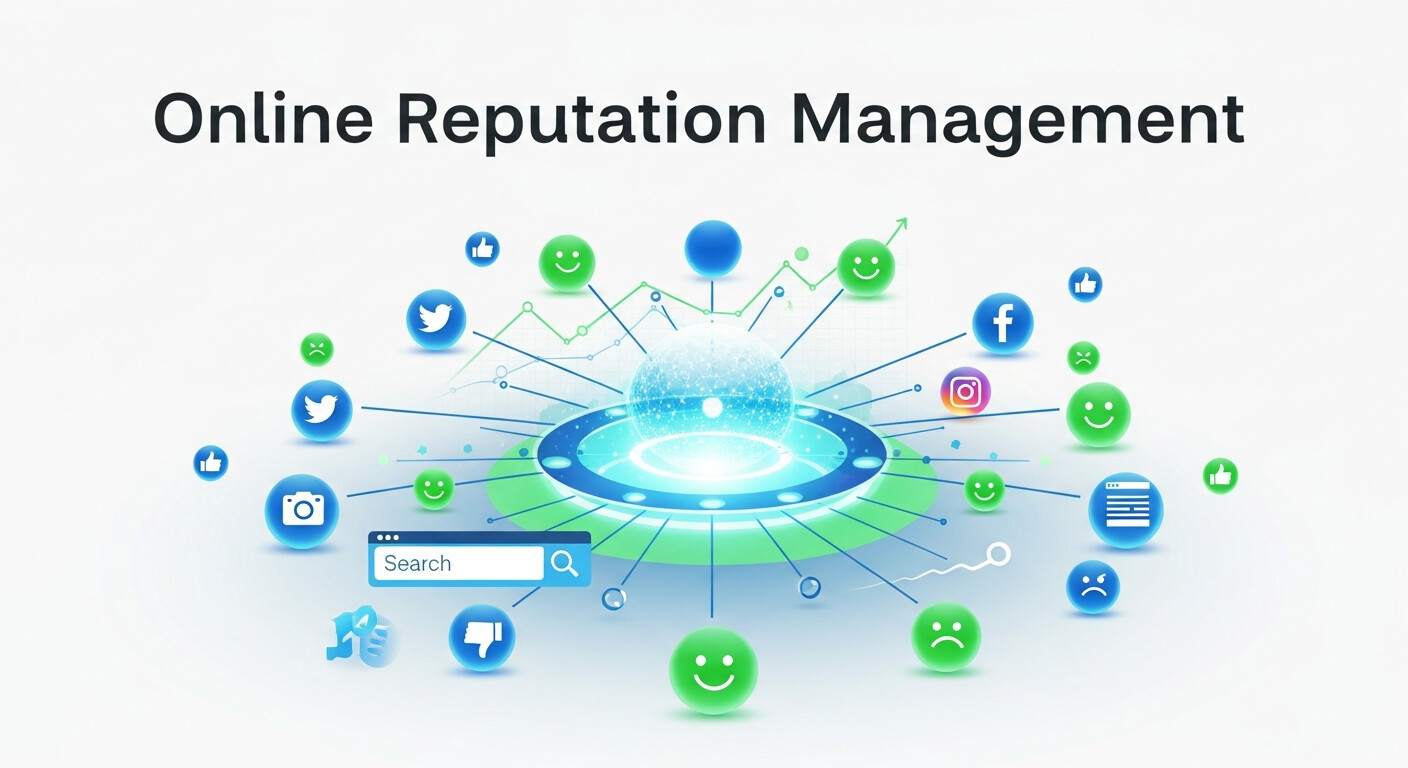
If your search results are dominated by negative feedback, unanswered complaints, or—perhaps worse—complete silence, you are losing money. Online reputation management (ORM) is the practice of crafting strategies that shape or influence the public perception of an organization, individual, or other entity on the Internet. It helps drive public opinion about a business and its products and services.
Brand monitoring services are the foundation of ORM. You cannot manage what you do not measure. Without monitoring, you are flying blind, unaware of the issues eroding your customer base until it is often too late to fix them easily.
The High Cost of Ignoring Your Digital Presence
The risks of neglecting brand monitoring are significant. The digital grapevine is incredibly efficient; bad news travels fast.
The “Snowball Effect” of Negative Reviews
Consider a scenario where a customer posts a scathing review on a popular site about a service failure. Without monitoring, you might not see this review for weeks. In that time, hundreds of potential customers have read it. Furthermore, the customer, feeling ignored, may have spread their complaint to Twitter or Facebook. What started as a solvable customer service issue has snowballed into a reputation stain that requires significant resources to clean up.
Missed Opportunities for Connection
On the flip side, ignoring mentions means missing out on praise. When a customer posts a photo of your product on Instagram and tags you, it is a golden opportunity. A simple “thank you” or a repost can turn a satisfied customer into a loyal brand advocate. Silence, however, can make your brand appear cold and indifferent.
Key Benefits of Professional Brand Monitoring Services
Investing in professional monitoring, such as the solutions offered by SanMo CA, provides strategic advantages that go beyond simple vanity metrics.
1. Crisis Prevention and Mitigation
The best way to handle a PR crisis is to catch it before it becomes a crisis. Brand monitoring services often include sentiment analysis features. If the software detects a sudden spike in negative sentiment or a high volume of mentions using “scam,” “broken,” or “rude,” it triggers an alert.
This early warning system allows your team to investigate immediately. You can address the issue, issue an apology, or correct misinformation before the narrative gets out of hand. In the realm of online reputation management, speed is everything.
2. Deep Customer Insights
Your customers are telling you exactly what they want, what they hate, and what they wish you would do. You just need to listen. Monitoring uncovers patterns in feedback that might not show up in formal surveys.
For example, you might notice a recurring complaint about the packaging of a specific product. This is actionable intelligence. By fixing the packaging, you not only solve the immediate problem but also demonstrate to your market that you listen and adapt.
3. Competitor Intelligence
Brand monitoring services shouldn’t just be turned inward. You should also be monitoring your competitors. What are customers complaining about regarding their services? Those complaints are your selling points. If a competitor’s server goes down and their users are venting on Twitter, that is your cue to market your platform’s reliability.
4. Improving SEO
Search Engine Optimization (SEO) and reputation are linked. Search engines value authority and trust. High ratings and positive mentions signal to search engines that your business is legitimate and trustworthy. Conversely, a reputation crisis can lead to a loss of backlinks and traffic. Monitoring helps you identify unlinked mentions—places where a blog or news site mentions your brand but doesn’t link to you. You can then reach out and ask for the link, boosting your SEO profile.
The Human Element: Why Tools Aren’t Enough
While software is essential, the human element provided by agencies like SanMo CA is irreplaceable. Automated tools are great at gathering data, but they can struggle with nuance. Sarcasm, for instance, is notoriously difficult for AI to detect. A tweet saying, “Great job destroying my order,” might be tagged as “positive” by a basic bot because of the word “great.”
Professional service providers combine the efficiency of AI with human expertise. They can interpret the data, filter out the noise, and provide strategic recommendations. They understand the difference between a troll who should be ignored and a genuine grievance that needs a thoughtful reply.
Choosing the Right Strategy for Your Business
Implementing a brand monitoring strategy involves several steps. It requires a clear understanding of your goals and resources.
Identify Your Key Channels
Not every platform matters equally to every business. A B2B software company needs to pay close attention to LinkedIn and G2, while a fashion retailer should focus on Instagram, TikTok, and Pinterest. Professional services help you identify where your audience hangs out so you don’t waste resources monitoring digital ghost towns.
Define Your Keywords
As mentioned earlier, tracking just your brand name isn’t enough. You need a comprehensive list of keywords. This should include:
- Unique product names.
- Campaign hashtags.
- Common misspellings of your brand.
- Key competitors.
Establish a Response Protocol
Monitoring is useless if you don’t act on the information. You need a clear protocol for who responds to what.
- Positive mentions: Marketing team engages.
- Support questions: Customer service team responds.
- PR threats: Executive team or legal is notified.
This ensures a consistent voice and prevents internal confusion about who is handling an issue.
How SanMo CA Elevates Reputation Management
For businesses looking to secure their legacy, partnering with a dedicated provider like SanMo CA ensures that nothing slips through the cracks. They specialize in comprehensive brand monitoring services that integrate seamlessly with broader online reputation management goals.
Instead of burdening your internal marketing team with the tedious task of sifting through thousands of mentions, SanMo CA provides curated insights. They help you understand the narrative surrounding your business and give you the tools to shape it. Whether it is removing illegitimate reviews or amplifying positive customer stories, their expertise turns reputation from a liability into an asset.
FAQ: Common Questions About Brand Monitoring
To help you better understand the landscape, here are answers to frequently asked questions regarding monitoring and reputation.
How often should I check my brand mentions?
Ideally, monitoring should be real-time. The internet moves instantly. However, for reporting purposes, a daily review of urgent alerts and a weekly deep-dive into trends is a standard rhythm for many businesses.
Can brand monitoring help remove negative reviews?
Directly? No. Monitoring identifies the reviews. However, knowing about them allows you to respond. In some cases, if a review violates a platform’s terms of service (e.g., it contains hate speech or is from a competitor), you can use that information to petition for its removal. For legitimate negative reviews, a polite, professional response is often more powerful than removal.
Is brand monitoring only for large corporations?
Absolutely not. Small businesses are actually more vulnerable to reputation damage because they have fewer reviews to dilute the negative ones. A local bakery needs brand monitoring just as much as a multinational airline, perhaps even more so.
What is the difference between social listening and brand monitoring?
They are often used interchangeably, but there is a nuance. Brand monitoring is about tracking mentions and reacting to them (reputation management). Social listening is a broader activity that looks at industry trends and consumer behavior to inform future strategy. Most robust services cover both.
Protecting Your Future

The digital era has given customers a megaphone. They have the power to build you up or tear you down. In this environment, ignorance is not bliss—it is a business risk.
Brand monitoring services are not a luxury; they are a necessity for modern governance. They provide the data you need to protect your good name and the insights required to grow your business. By staying alert and responsive, you build a reservoir of goodwill that can sustain your business through challenges.
Do not wait for a crisis to reveal the cracks in your reputation. Be proactive. Engage with your audience, listen to their feedback, and manage your narrative with precision. Solutions like those from SanMo CA are ready to help you safeguard your most important asset: your reputation.