There are over 5 million apps available across the Google Play Store and Apple App Store combined. For businesses, this statistic is both a testament to the mobile economy’s power and a warning sign of the intense competition. Simply launching an application is no longer a guaranteed path to success. The real challenge—and the real opportunity—lies in creating a digital product that users return to day after day.
Many companies fall into the trap of viewing an app as a one-time project. They build it, launch it, and wait for the revenue to pour in. When the numbers don’t add up, they blame marketing or the market itself. However, the issue often stems from the foundation of the product. This is where professional apps development services become the differentiator between a digital ghost town and a thriving revenue generator.
High-quality development goes far beyond writing clean code. It encompasses user experience (UX) design, strategic feature implementation, seamless performance, and scalable architecture. When these elements align, an app becomes a powerful tool that not only engages users but effectively converts that attention into tangible revenue.
The Link Between Development Quality and User Retention
User retention is the primary metric that predicts the long-term success of an app. If users download your app but delete it within three days, your acquisition costs are wasted. Professional apps development services focus heavily on the “stickiness” of the application.
Performance and Speed
Users are incredibly impatient. A study by Google found that 53% of mobile site visits are abandoned if a page takes longer than three seconds to load. Native apps face similar scrutiny. If an app crashes, freezes, or lags, the user will likely uninstall it immediately. Professional developers optimize code to ensure fluid animations, rapid load times, and stability across various devices and operating systems. This technical reliability builds trust. When an app works flawlessly, users are more likely to integrate it into their daily routines.
Intuitive UX/UI Design
Engagement starts with design. You might have the most innovative features in your industry, but if the user interface is cluttered or confusing, no one will use them. Development services that prioritize UX design map out user journeys to ensure navigation is intuitive. They reduce friction points—like complicated sign-up processes or hard-to-find buttons—that often lead to drop-offs. A clean, beautiful interface keeps users exploring the app longer, increasing the likelihood of a conversion.
Key Features That Boost Engagement
When you partner with an expert development team, you aren’t just getting software; you are getting a strategy. Expert developers know which features drive engagement and how to implement them effectively.
Personalization via AI
One-size-fits-all experiences are becoming obsolete. Modern apps development services leverage Artificial Intelligence (AI) and Machine Learning (ML) to analyze user behavior. This data allows the app to serve personalized content, product recommendations, or interface adjustments. For example, a retail app might highlight products based on a user’s past purchase history, or a news app might curate a feed based on reading habits. Personalization makes the user feel understood, which significantly increases session time.
Push Notifications (Done Right)
Push notifications are a double-edged sword. Used poorly, they are spam. Used correctly, they are a powerful re-engagement tool. innovative development teams integrate sophisticated notification systems that allow for segmentation and timing optimization. Instead of blasting every user with the same message, the app can trigger notifications based on specific behaviors—such as an abandoned cart reminder or a “welcome back” bonus after a week of inactivity.
Gamification
Gamification involves applying game-design elements and principles in non-game contexts. This includes points, badges, leaderboards, and progress bars. Whether it’s a fitness app tracking steps or a banking app encouraging savings goals, gamification triggers the brain’s reward system. It turns mundane tasks into achievements, compelling users to open the app frequently to check their progress.
Monetization Strategies: Turning Users into Revenue
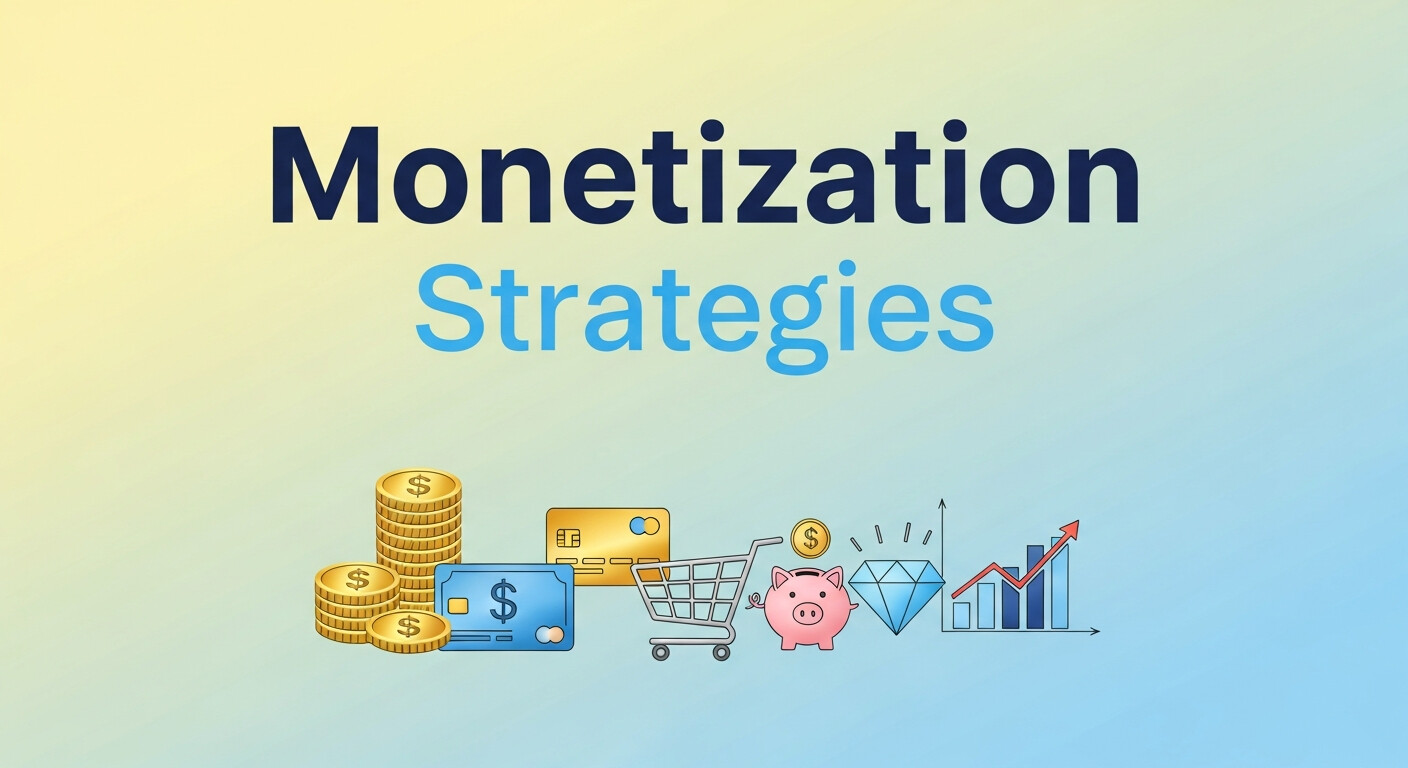
Engagement is the fuel, but revenue is the destination. A robust app needs a monetization strategy baked into the development phase, not tacked on as an afterthought. Apps development services can help identify and implement the most effective revenue models for your specific business type.
In-App Purchases (IAP)
This model is dominant in gaming but is increasingly popular in utility and lifestyle apps. It allows users to buy virtual goods, extra lives, or premium content. The development challenge here is creating a frictionless payment gateway. If buying an item takes too many clicks or feels insecure, the sale is lost. Developers ensure that payment integration (using tools like Apple Pay, Google Pay, or Stripe) is seamless and secure, maximizing conversion rates.
Subscription Models
The subscription economy is booming. From productivity tools to entertainment, users are willing to pay a recurring fee for ongoing value. Implementing a subscription model requires complex backend development to manage user tiers, renewals, cancellations, and access rights. A professional team ensures this infrastructure is robust, preventing revenue leakage and ensuring subscribers always have access to premium features.
In-App Advertising
For free apps, advertising remains a primary revenue stream. However, ads can ruin the user experience if not implemented carefully. Skilled developers know how to integrate ad networks (like AdMob or Facebook Audience Network) in a way that generates revenue without disrupting the user flow. This might look like rewarded video ads, where users choose to watch an ad in exchange for a premium feature, creating a win-win scenario.
M-Commerce Integration
For retail businesses, the app is a direct sales channel. Development services focus on optimizing the checkout process to reduce cart abandonment. This includes features like one-click ordering, saved payment methods, and real-time inventory syncing. The goal is to make spending money as easy as possible.
Data Analytics and Performance Tracking

A successful app is built on continuous improvement, and that improvement comes from data. Professional apps development services integrate advanced analytics tools that track user behavior, session duration, feature usage, and conversion paths. By understanding how users interact with the app, businesses can identify drop-off points, underused features, and high-performing workflows. This data-driven approach allows for smarter updates and feature prioritization. Instead of guessing what users want, decisions are backed by real insights, ensuring the app evolves in ways that increase engagement, retention, and long-term revenue growth.
Security, Compliance, and User Trust
In today’s digital environment, security is not optional—it is a core requirement. Apps often handle sensitive data such as personal information, payment details, or location data. Professional apps development services implement strong security protocols, including data encryption, secure authentication, and regular vulnerability testing. They also ensure compliance with regulations like GDPR, CCPA, or industry-specific standards. When users feel confident that their data is protected, they are more likely to stay loyal to the app. Strong security directly impacts brand credibility, user trust, and overall business sustainability.
Scalability and Future-Proof Architecture
An app should be built not just for today’s users, but for tomorrow’s growth. Scalability-focused development ensures that the application can handle increasing traffic, new features, and expanding user bases without performance issues. Professional developers design flexible backend architectures, cloud-based infrastructure, and modular codebases that allow easy updates and integrations. This future-proof approach prevents costly rebuilds as the business grows. Whether launching new markets, adding advanced features, or integrating third-party tools, a scalable app architecture supports long-term success and protects your development investment.
The SanMo Advantage: Why Local Expertise Matters
While talent exists globally, there is a distinct advantage to working with service providers in tech-forward hubs like SanMo, CA. Companies in this region often operate at the intersection of creativity and cutting-edge technology.
Alignment with Silicon Valley Trends
SanMo is situated in a region synonymous with innovation. Apps development services here are not just following trends; often, they are setting them. By working with a local provider, you gain access to the latest methodologies in Agile development, DevOps, and security protocols. These teams are often the first to experiment with emerging tech like Augmented Reality (AR) or Blockchain, giving your app a competitive edge.
Communication and Collaboration
Building a complex app requires constant communication. Time zone differences and language barriers can slow down the feedback loop, leading to delays and misunderstandings. Partnering with a SanMo-based team ensures real-time collaboration. You can hold face-to-face strategy sessions (or synchronous video calls) to iterate on designs and solve problems quickly. This proximity fosters a deeper partnership where the developers truly understand your business goals.
Emerging Technologies Transforming App Development
To stay ahead of the curve, businesses must look at what’s next. Leading apps development services are already integrating next-generation tech to drive engagement and revenue.
Augmented Reality (AR)
AR overlays digital information onto the real world. Retailers like IKEA and Sephora use AR to let users “try on” products before buying. This immersive experience significantly reduces return rates and boosts conversion confidence. Implementing AR requires specialized knowledge of frameworks like ARKit and ARCore, which top-tier development firms possess.
Voice Integration
With the rise of smart speakers, voice search is becoming a standard expectation. Integrating voice commands into an app improves accessibility and convenience. Users can search for products, navigate menus, or dictate messages without typing. This hands-free interaction can drastically improve the user experience for on-the-go consumers.
Blockchain for Security
Security is a major concern for users, especially regarding financial data. Blockchain technology offers a decentralized and transparent way to secure transactions. For fintech and e-commerce apps, integrating blockchain can serve as a strong selling point, assuring users that their data and money are safe.
Investing in Your Digital Future
In a digital landscape saturated with options, mediocrity is invisible. Users crave experiences that are fast, intuitive, and valuable. Meeting these expectations requires more than a freelance coder; it requires a dedicated partner who understands the intricacies of the mobile ecosystem.
Investing in professional apps development services is an investment in your brand’s longevity. By prioritizing robust architecture, engaging design, and strategic monetization, you transform your app from a simple utility into a significant revenue stream. Whether you are a startup in SanMo, CA, or an established enterprise looking to pivot, the right development team will bridge the gap between your vision and a profitable reality.
If you are ready to build a mobile experience that keeps users coming back, focusing on quality development is your most critical first step.
Frequently Asked Questions
How long does it take to develop a custom mobile app?
The timeline varies significantly based on complexity. A simple app with basic features might take 3 to 4 months. A complex enterprise app with custom backend, AI integration, and cross-platform capabilities can take 6 to 9 months or longer. A professional apps development service will provide a detailed roadmap during the discovery phase.
What is the difference between native and cross-platform development?
Native development involves building separate apps for iOS (using Swift/Objective-C) and Android (using Kotlin/Java). This offers the best performance but costs more. Cross-platform development (using frameworks like Flutter or React Native) allows developers to write one code base that runs on both platforms. This is faster and more cost-effective, though it may have slight limitations in accessing complex device hardware.
How much do apps development services cost?
Cost is driven by the scope of work, design complexity, and the location of the agency. A basic app might start around $20,000, while feature-rich applications can range from $50,000 to over $200,000. It is important to view this as an investment; a cheap, poorly made app often costs more in the long run due to bug fixes and lost customers.
Do I need to support both iOS and Android?
In most cases, yes. While iOS users tend to spend more on in-app purchases, Android holds a massive share of the global market. Ignoring one platform means ignoring a significant portion of your potential audience. Cross-platform development is a great way to target both without doubling your budget.
What happens after the app is launched?
Launch is just the beginning. Successful apps require ongoing maintenance to fix bugs, update security protocols, and ensure compatibility with new OS updates. Most development partners offer post-launch support packages to keep your app running smoothly.