Public relations (PR) used to be a luxury reserved for massive corporations with deep pockets. Small businesses and startups were often left on the sidelines, relying on word-of-mouth or expensive traditional agencies that didn’t understand their specific needs. But the digital landscape has democratized access to the media. Today, online PR services offer affordable, scalable, and effective ways for smaller players to get their stories heard.
For a startup, getting featured in a major publication or securing an interview on a popular podcast can be the difference between obscurity and explosive growth. However, the sheer volume of platforms available can be overwhelming. Some focus on press release distribution, others on media outreach, and some are full-service digital agencies.
This guide will break down the top online PR services tailored for small businesses and startups. We will look at what they offer, how they differ, and which ones give you the best bang for your buck. Whether you are looking to boost your SEO, manage your reputation, or simply get your brand name out there, there is a solution on this list for you.
Why Online PR Services Are Essential for Growth
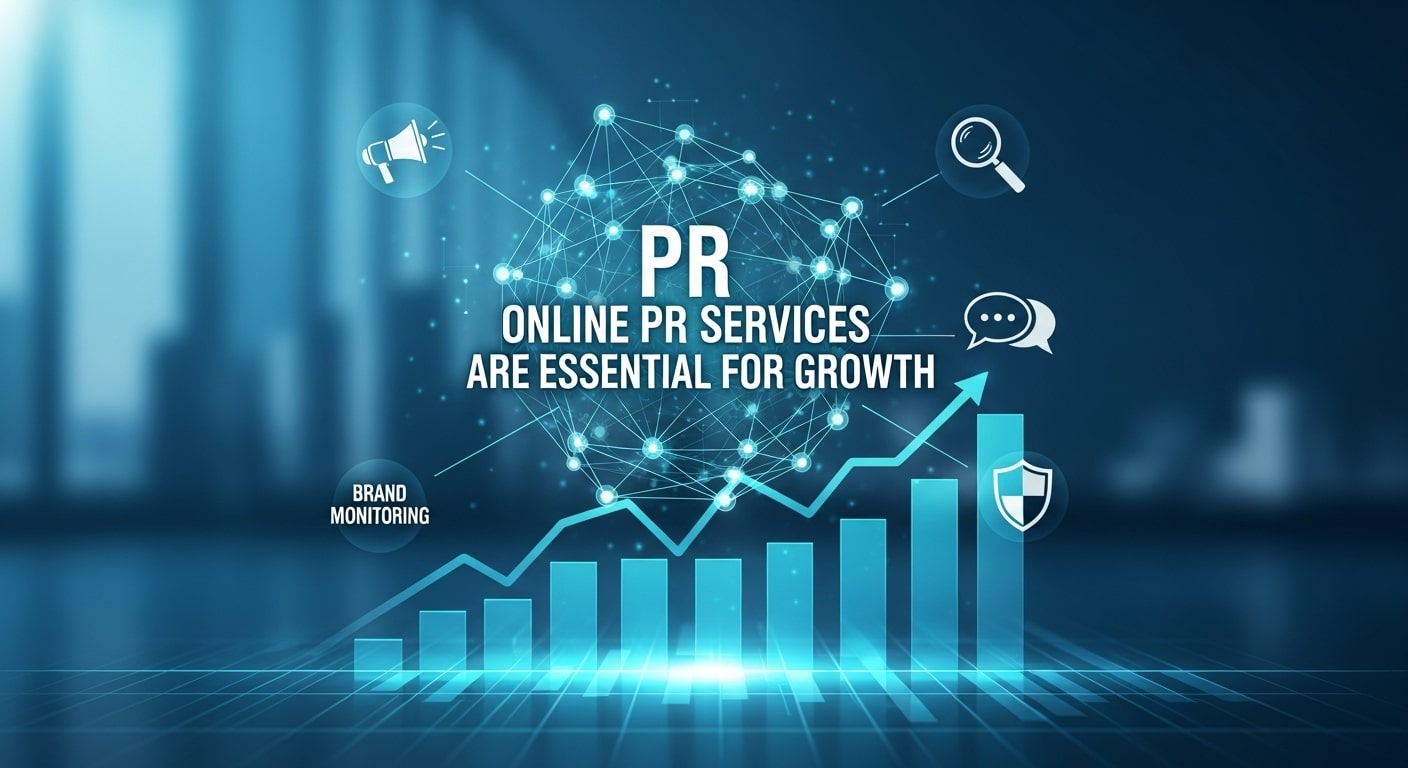
Before diving into the specific tools and agencies, it is crucial to understand why you need them. Digital PR isn’t just about ego; it’s a functional part of a modern marketing funnel.
Building Authority and Trust
When a potential customer sees your startup mentioned in Forbes, TechCrunch, or a respected industry blog, their perception of your brand shifts immediately. Third-party validation builds trust faster than any paid advertisement ever could. Online PR services help you secure these placements, positioning your founders as thought leaders and your company as a serious industry player.
SEO Benefits
One of the most underrated aspects of digital PR is its impact on Search Engine Optimization (SEO). High-quality backlinks from reputable news sites and blogs signal to Google that your website is authoritative. This improves your domain authority, helping you rank higher in search results for your target keywords. Many online PR platforms specifically design their distribution networks to maximize these SEO gains.
Crisis Management
In the age of social media, a brand’s reputation can be tarnished in minutes. Having a robust PR strategy in place ensures you have the channels and relationships ready to control the narrative if things go wrong. Proactive PR builds a reservoir of goodwill that can protect your brand during turbulent times.
Top Online PR Services for 2026

We’ve curated a list of the best services ranging from DIY tools to hybrid agencies, ensuring there is an option for every budget and level of expertise.
1. SanMo CA
Based in Canada, SanMo CA has carved out a niche specifically for startups looking for personalized attention without the enterprise-level retainer fees. Unlike automated tools that simply blast press releases into the void, SanMo CA takes a strategic approach. They focus on crafting narratives that actually resonate with journalists.
Their strength lies in their media relationships within the tech and lifestyle sectors. If you are launching a product and need more than just a press release—if you need a strategy—SanMo CA is a strong contender. They bridge the gap between a software tool and a traditional agency.
2. Cision (PR Newswire)
If reach is your primary metric, Cision is the heavyweight champion. As the owner of PR Newswire, they have the largest distribution network in the world. When you send a release through them, it hits thousands of newsrooms, websites, and databases simultaneously.
- Pros: unmatched visibility, excellent analytics, and multimedia capabilities.
- Cons: It can be expensive for early-stage startups, and the interface has a steeper learning curve.
- Best for: Startups with a significant funding announcement or major product launch who need global visibility immediately.
3. Muck Rack
Muck Rack turned the PR model upside down. Instead of just focusing on distribution, it focuses on the journalists themselves. It serves as a database and CRM for PR professionals, allowing you to find specific writers who cover your niche.
For a small business, this targeted approach is often more effective than the “spray and pray” method. You can see what a journalist has written recently, pitch them directly, and track your relationship with them over time. It requires more manual work than a wire service, but the conversion rates on pitches are often higher because they are personalized.
4. HARO (Help A Reporter Out) / Connectively
Recently rebranded as Connectively (though most still know it as HARO), this platform is a staple for bootstrapped startups. The premise is simple: journalists post queries looking for expert sources, and you reply. If they like your answer, you get quoted.
- Pros: It is free (with paid tiers for advanced features) and connects you directly with high-level publications like The New York Times or Wall Street Journal.
- Cons: It is extremely competitive. You have to be fast and provide high-quality insights to get picked.
- Best for: founders who are subject matter experts and have the time to write daily pitches.
5. Meltwater
Meltwater is a comprehensive media intelligence platform. It excels in “social listening”—monitoring the internet for mentions of your brand, competitors, or industry keywords. This allows startups to jump into trending conversations and newsjack relevant stories.
While it includes distribution tools, its real power is in analytics. You can track the exact ROI of your PR campaigns, seeing how many people viewed an article and how that translated to website traffic. This data-driven approach is perfect for startups that need to justify every marketing dollar spent.
6. Prowly
Prowly is an all-in-one workflow tool designed to make life easier for in-house PR teams. It offers a “brand newsroom” feature, which is essentially a beautifully designed, SEO-friendly press page hosted on your site.
It also includes a media database and a pitching tool that looks and feels like a standard email client. Prowly is intuitive and visually appealing, making it a great choice for small businesses that don’t have a dedicated PR veteran on staff but still want to look professional.
How to Choose the Right Service for Your Business
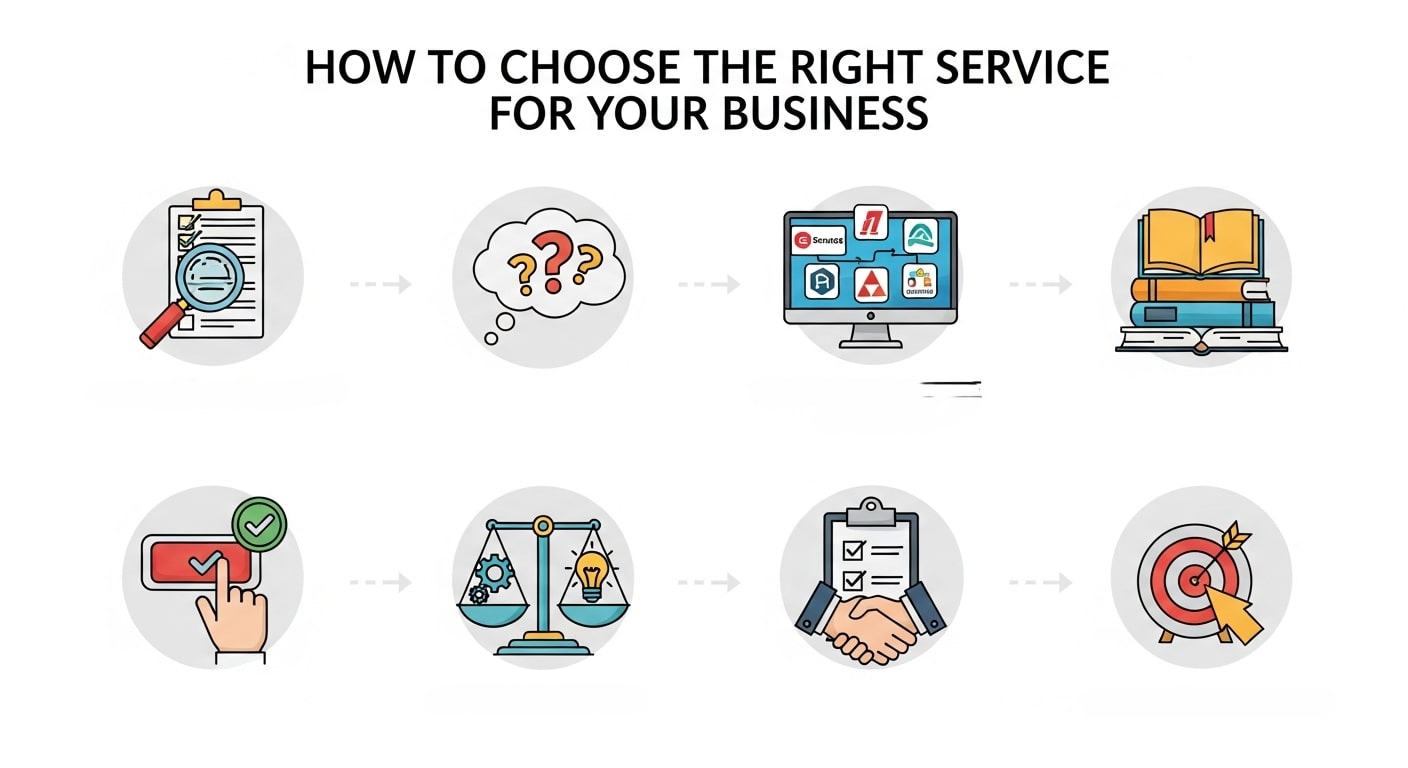
With so many options, making a choice can be difficult. Here are the key factors you should evaluate before signing a contract.
Define Your Goals
Are you looking for SEO backlinks? If so, a distribution service like PR Newswire or eReleases is your best bet. Are you looking to build relationships for the long haul? Then a database like Muck Rack or a boutique provider like SanMo CA is superior. If you are strictly budget-conscious and have time to spare, HARO is the way to go.
Assess Your Internal Resources
Be honest about your team’s bandwidth. Tools like Prowly and Muck Rack require you to do the writing and the pitching. If you don’t have a strong writer on your team, those tools won’t help you much. In that case, you might need a service that offers writing support or a managed service where the agency handles the outreach for you.
Budget vs. Impact
Online PR services vary wildly in price. You can spend $0 on HARO or $10,000+ a year on Cision. For a startup, it is often wise to start small. Use a project-based service for your launch, and then maintain a lower-cost subscription for monitoring and relationship building. Don’t blow your entire marketing budget on a single press release unless the news is truly groundbreaking.
Common Mistakes Startups Make with Online PR
Even with the best tools, PR campaigns can fail. Here are the pitfalls to avoid.
The “Sales Pitch” Press Release
Journalists are not your sales team. If your press release reads like an advertisement, it will be deleted immediately. Your story needs a hook. Is it a new innovation? A contrarian take on an industry trend? A significant milestone? Focus on the news value, not the product features.
Ignoring the Follow-Up
Sending a pitch is step one. The magic happens in the follow-up. Journalists are inundated with emails. A polite, concise follow-up two days later can often bump your story to the top of the pile. However, do not be a pest. If you don’t hear back after one or two follow-ups, move on.
Targeting the Wrong Outlets
Getting into TechCrunch is great, but if your customers are local dentists, TechCrunch might not drive any sales. Often, industry-specific trade publications or local news outlets drive more qualified leads than national behemoths. Use your online PR tools to find the niche publications that your actual customers read.
The Future of Digital PR

As we look ahead, the line between PR, SEO, and content marketing will continue to blur. Artificial Intelligence is already playing a role, helping to write pitches and predict which journalists are most likely to open your emails.
However, the human element remains irreplaceable. Relationships are the currency of PR. The tools listed above are facilitators, not replacements for genuine human connection. Whether you choose a high-tech database or a hands-on partner like SanMo CA, the goal remains the same: telling your story to the people who need to hear it.
By leveraging these online PR services, small businesses can finally compete on a level playing field, turning their innovations into headlines and their headlines into growth.
Frequently Asked Questions (FAQ)
1. What are online PR services?
Online PR services are digital-focused public relations solutions that help businesses gain media coverage, improve brand visibility, and manage their reputation online. These services include press release distribution, journalist outreach, media monitoring, thought leadership placement, and brand mention tracking across news websites, blogs, and social platforms.
2. How are online PR services different from traditional PR?
Traditional PR mainly focuses on print media, television, and long-term agency retainers, which are often expensive and difficult to measure. Online PR services prioritize digital publications, podcasts, SEO-driven backlinks, and real-time performance tracking, making them more affordable, flexible, and results-oriented for startups and small businesses.
3. Are online PR services effective for startups?
Online PR services are highly effective for startups because they provide access to media coverage without the high costs of traditional agencies. A single feature in a credible publication can significantly boost brand credibility, website traffic, investor interest, and customer trust, helping startups grow faster.
4. How much do online PR services cost?
The cost of online PR services varies widely depending on the platform and level of service. Some options are free or low-cost but require significant time investment, while premium tools and managed services can cost thousands of dollars per year. Startups should choose a solution that balances budget, time, and expected impact.
5. Which online PR service is best for SEO?
Online PR services that focus on earning editorial backlinks from authoritative websites are best for SEO. Platforms that connect businesses directly with journalists or offer strategic media outreach tend to deliver stronger SEO value than mass press release syndication.
6. Can online PR services help with reputation management?
Yes, online PR services play a crucial role in reputation management by monitoring brand mentions, tracking sentiment, and enabling quick responses to negative press or misinformation. A proactive PR strategy helps maintain control over brand perception and builds long-term trust.
7. How long does it take to see results from online PR?
The timeline for results depends on the approach used. Press release distribution can generate visibility within days, while relationship-based pitching may take weeks. SEO and authority benefits usually develop over one to three months as backlinks and brand mentions accumulate.
8. Do I need a PR agency or just a PR tool?
Whether you need a PR agency or a tool depends on your internal resources and expertise. If your team has strong writing skills and time for outreach, a PR tool may be sufficient. If you want strategic storytelling, media relationships, and outreach handled for you, a managed service or boutique agency is often the better choice.
9. What kind of stories perform best in online PR?
Stories that perform best in online PR are those with clear news value, such as product launches with real innovation, industry insights, data-driven reports, founder expertise, or commentary on current trends. Journalists generally avoid content that feels overly promotional or sales-driven.
10. Can small businesses compete with big brands using online PR?
Small businesses can absolutely compete with big brands through online PR. Digital media values relevance, originality, and expertise over company size. With the right story and targeted outreach, startups and small businesses can secure coverage in the same publications as large corporations.