
Building a Software as a Service (SaaS) product requires more than just coding skills and a good idea. From architecture decisions that will impact your scalability to user experience choices that determine customer retention, SaaS development demands specialized expertise across multiple disciplines.
Whether you’re a startup founder looking to bring your vision to life or an established business planning to transition to a subscription model, understanding SaaS development services can make the difference between a product that thrives and one that struggles to gain traction. This guide explores everything you need to know about SaaS development services, from core offerings to selection criteria for choosing the right development partner.
What Are SaaS Development Services?
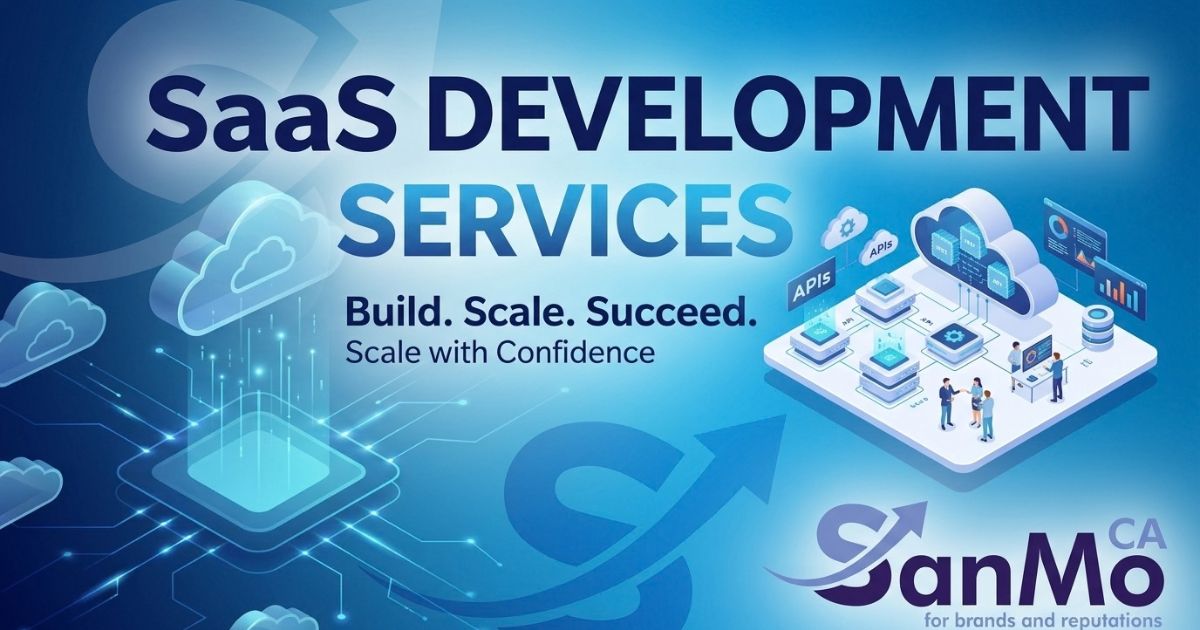
SaaS development services encompass the full spectrum of technical and strategic support needed to build, launch, and maintain cloud-based software applications. Unlike traditional software development, SaaS development focuses on creating multi-tenant applications that can serve thousands of users simultaneously while maintaining security, performance, and reliability.
These services typically include product strategy, architecture design, user interface development, backend infrastructure setup, third-party integrations, and ongoing maintenance. The goal is to create a scalable platform that generates recurring revenue through subscription models.
Core SaaS Development Services
Product Strategy and Planning
Before writing a single line of code, successful SaaS products require comprehensive planning. Development teams work with clients to define target markets, identify key features, and create detailed product roadmaps. This phase includes competitive analysis, user persona development, and technical feasibility assessments.
Strategic planning also involves defining pricing models, subscription tiers, and feature sets for different customer segments. Teams analyze market demands and technical constraints to ensure the final product meets both user needs and business objectives.
Architecture and Infrastructure Design
SaaS applications must handle varying loads while maintaining consistent performance. Development services include designing scalable architectures that can grow with your user base. This involves selecting appropriate cloud platforms, designing database schemas, and implementing microservices architectures when beneficial.
Infrastructure planning covers everything from content delivery networks (CDNs) to backup strategies. Teams design systems that can handle traffic spikes, ensure data security, and maintain high availability across different geographic regions.
Frontend Development
User experience directly impacts SaaS success rates. Frontend development services focus on creating intuitive interfaces that reduce learning curves and increase user adoption. This includes responsive design for multiple devices, accessibility compliance, and performance optimization.
Modern SaaS applications often feature complex dashboards, real-time data visualization, and collaborative tools. Frontend teams use frameworks like React, Vue.js, or Angular to build dynamic interfaces that provide smooth user experiences across different browsers and devices.
Backend Development
The backend serves as the foundation for all SaaS functionality. Development services include API design, database management, user authentication systems, and business logic implementation. Backend teams ensure app development can handle multiple users simultaneously while maintaining data integrity and security.
This includes implementing features like user management, subscription billing, notification systems, and integration capabilities. Backend development also involves setting up monitoring systems to track performance and identify potential issues before they affect users.
Third-Party Integrations
Most SaaS applications rely on external services for payment processing, email delivery, analytics, and other functionality. Development services include integrating these tools seamlessly into your application while maintaining security and performance standards.
Common integrations include payment gateways like Stripe or PayPal, email services like SendGrid, analytics platforms like Google Analytics, and customer support tools like Intercom. Teams handle API connections, webhook implementations, and data synchronization between systems.
Quality Assurance and Testing
SaaS applications require rigorous testing to ensure reliability across different scenarios. QA services include automated testing, performance testing, security testing, and user acceptance testing. Teams create comprehensive test suites that catch issues before they reach production environments.
Testing covers functionality, scalability, security vulnerabilities, and user experience across different devices and browsers. Continuous integration and deployment pipelines ensure new features don’t break existing functionality.
Types of SaaS Development Partners
Full-Service Development Agencies
These agencies provide end-to-end SaaS development services, from initial concept to ongoing maintenance. They typically have teams specializing in different aspects of SaaS development, including product managers, designers, frontend developers, backend developers, and DevOps engineers.
Full-service agencies work best for clients who want a single point of contact for their entire project. They handle project management, coordinate between different specialists, and ensure all components work together seamlessly.
Specialized Development Teams
Some agencies focus specifically on SaaS development, bringing deep expertise in subscription business models, multi-tenant architectures, and cloud-native technologies. These teams understand the unique challenges of SaaS products, including billing complexity, user onboarding, and churn reduction.
Specialized teams often have experience with specific industries or SaaS categories, such as marketing automation, project management, or financial software. This expertise can significantly reduce development time and help avoid common pitfalls.
Freelance Developers
For smaller projects or specific tasks, freelance developers can provide cost-effective solutions. However, SaaS development typically requires coordination between multiple specialists, making team-based approaches more suitable for complex projects.
Freelancers work best for well-defined tasks like specific integrations, UI improvements, or maintenance work on existing SaaS applications.
Key Technologies in SaaS Development
Cloud Platforms
Most modern SaaS applications run on cloud platforms like Amazon Web Services (AWS), Microsoft Azure, or Google Cloud Platform. These platforms provide scalable infrastructure, managed databases, and various services that reduce development complexity.
Cloud platforms offer benefits like automatic scaling, global distribution, and built-in security features. Development teams help clients choose appropriate services and optimize costs while maintaining performance.
Programming Languages and Frameworks
Backend development commonly uses languages like Python, Node.js, Ruby, or Java, each offering different advantages for SaaS applications. Python excels in data processing and machine learning integration, while Node.js provides excellent performance for real-time applications.
Frontend development typically uses JavaScript frameworks like React, Vue.js, or Angular. These frameworks enable complex user interfaces while maintaining performance and maintainability.
Database Technologies
SaaS applications often use a combination of database types. Relational databases like PostgreSQL or MySQL handle structured data and transactions, while NoSQL databases like MongoDB or Redis manage unstructured data and caching.
Database choice impacts scalability, performance, and development complexity. Teams help clients select appropriate technologies based on their specific requirements and growth projections.
Factors to Consider When Choosing SaaS Development Services
Technical Expertise
Evaluate potential partners based on their experience with SaaS-specific challenges like multi-tenancy, subscription billing, and scalable architectures. Look for teams that have built and launched successful SaaS products in your industry or similar markets.
Review their portfolio, case studies, and technical blog posts to understand their approach to common SaaS challenges. Ask about their experience with your preferred technologies and cloud platforms.
Development Process
Understanding how teams approach SaaS development helps ensure successful collaboration. Look for partners who use agile methodologies, provide regular updates, and involve clients in key decisions throughout the development process.
Ask about their approach to project management, communication frequencies, and how they handle scope changes or technical challenges. Clear processes reduce risks and improve project outcomes.
Security and Compliance
SaaS applications handle sensitive user data and must comply with various regulations like GDPR, HIPAA, or SOC 2. Ensure your development partner understands security requirements and can implement appropriate measures from the beginning.
Ask about their experience with compliance requirements relevant to your industry. Security implementations are much more effective when built into applications from the start rather than added later.
Post-Launch Support
SaaS products require ongoing maintenance, updates, and feature additions. Evaluate potential partners based on their ability to provide long-term support and their approach to handling post-launch issues.
Consider factors like response times, support availability, and their process for implementing updates without disrupting user experience. Reliable post-launch support is crucial for SaaS success.
Budgeting for SaaS Development Services
Development Costs
SaaS development costs vary significantly based on complexity, features, and team location. Simple SaaS applications might cost $50,000 to $150,000, while complex enterprise solutions can require investments of $500,000 or more.
Factors affecting costs include the number of integrations, custom features, user interface complexity, and security requirements. Development teams should provide detailed estimates breaking down costs by feature or development phase.
Ongoing Expenses
Beyond initial development, SaaS products require ongoing investments in hosting, third-party services, maintenance, and feature updates. Plan for monthly expenses of 15-25% of initial development costs for infrastructure and maintenance.
Consider costs for services like payment processing, email delivery, analytics tools, and customer support platforms. These operational expenses grow with your user base but are essential for SaaS functionality.
Making Your SaaS Development Decision
Choosing the right SaaS development services partner significantly impacts your product’s success. Focus on teams that demonstrate deep understanding of SaaS business models, have relevant technical expertise, and can support your long-term goals.
Start by clearly defining your requirements, timeline, and budget constraints. Request detailed proposals from multiple partners and evaluate them based on technical approach, team expertise, and cultural fit. Remember that the cheapest option rarely provides the best long-term value for complex SaaS projects.
Successful SaaS development requires balancing technical excellence with business strategy. The right development partner will help you navigate these complexities while building a product that users love and that grows sustainably over time.
Technical Excellence and Business Strategy in SaaS Development
SaaS development is a complex process that requires a balance between technical excellence and business strategy. Without this balance, it can be challenging to create a successful product that meets the needs of your target audience while also generating sustainable growth for your company.
When embarking on a SaaS development project, it’s crucial to find a development partner who understands both the technical aspects of building software and the importance of aligning those technical choices with your overall business goals. This type of partnership ensures that you not only have a well-built product but also one that serves the specific needs and objectives of your company.
Choosing the right development partner involves careful evaluation of their technical expertise, project management processes, communication skills, and overall approach to software development. It’s also important to assess their experience in building SaaS products and their understanding of your target market and user base.