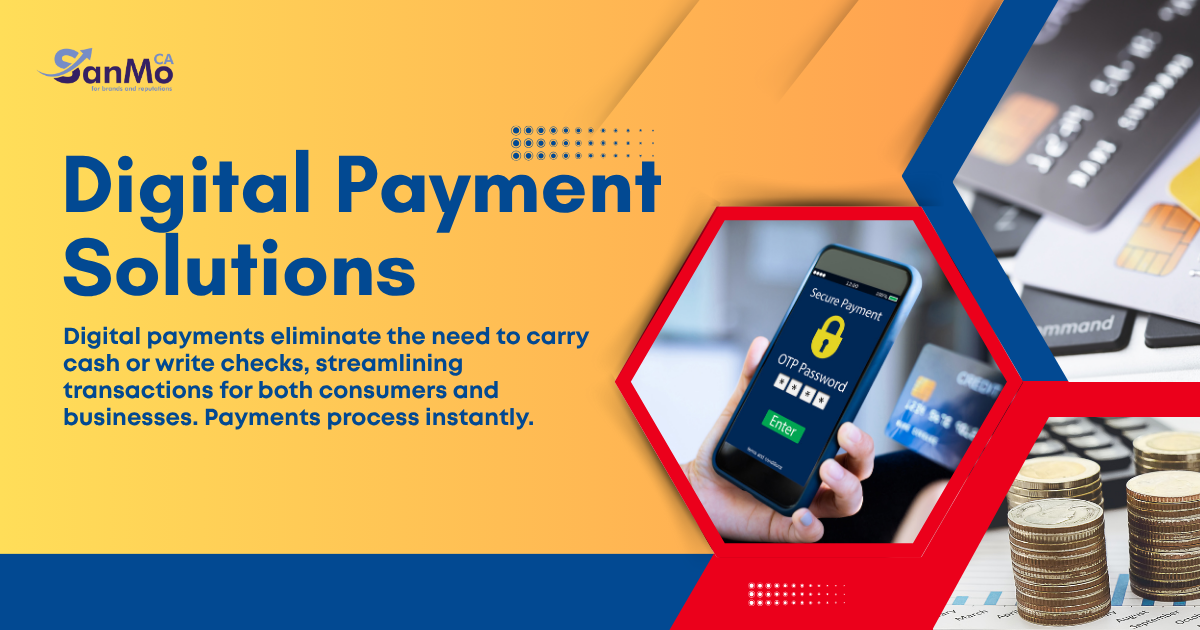
Cash registers are becoming museum pieces. Physical wallets are shrinking. The way we handle money has transformed dramatically over the past decade, with digital payment solutions leading this financial revolution.
Digital payment solutions encompass any method of transferring money electronically without physical cash or checks. From tapping your smartphone at a coffee shop to sending money instantly to friends through an app, these technologies have reshaped how consumers and businesses approach transactions.
This comprehensive guide explores the various types of digital payment solutions available, their benefits and challenges, security considerations, and what the future holds for digital transactions. Whether you’re a business owner looking to modernize your payment systems or a consumer wanting to understand your options, you’ll find practical insights to navigate this digital landscape confidently.
Understanding Digital Payment Solutions
Digital payment solutions operate through electronic networks that facilitate the transfer of funds between parties. These systems eliminate the need for physical currency by using digital representations of money stored in bank accounts, digital wallets, or other financial platforms.
The foundation of most digital payments relies on secure communication between your payment method, the merchant’s system, and financial institutions. When you make a digital payment, encrypted data travels through these networks to verify your identity, confirm available funds, and complete the transaction within seconds.
Modern digital payment systems offer multiple layers of security, including encryption, tokenization, and biometric authentication. These technologies work together to protect sensitive financial information while providing the convenience users expect from digital transactions.
Types of Digital Payment Solutions
Mobile Wallets
Mobile wallets store payment information on smartphones, allowing users to make purchases by using or scanning their devices. Popular options include Apple Pay, Google Pay, and Samsung Pay. These solutions use Near Field Communication (NFC) technology or QR codes to facilitate contactless payments.
Mobile wallets offer enhanced security through tokenization, which replaces actual card numbers with unique digital tokens during transactions. This means your real payment information never reaches the merchant, reducing the risk of data breaches.
Peer-to-Peer Payment Apps
Peer-to-peer (P2P) payment applications enable direct money transfers between individuals without traditional banking intermediaries. Venmo, Zelle, and Cash App dominate this space, allowing users to split bills, pay rent, or send money to friends instantly.
These platforms typically link to bank accounts or debit cards, enabling seamless transfers through simple interfaces. Many P2P apps also include social features, allowing users to add comments or emojis to transactions.
Online Payment Processors
Online payment processors facilitate e-commerce transactions by handling the technical aspects of digital payments for businesses. PayPal, Stripe, and Square process millions of online transactions daily, providing secure checkout experiences for customers and reliable payment processing for merchants.
These solutions integrate with websites and mobile apps, offering multiple payment options including credit cards, bank transfers, and digital wallets. They also handle compliance requirements and fraud prevention, reducing the burden on individual businesses.
Cryptocurrency Payments
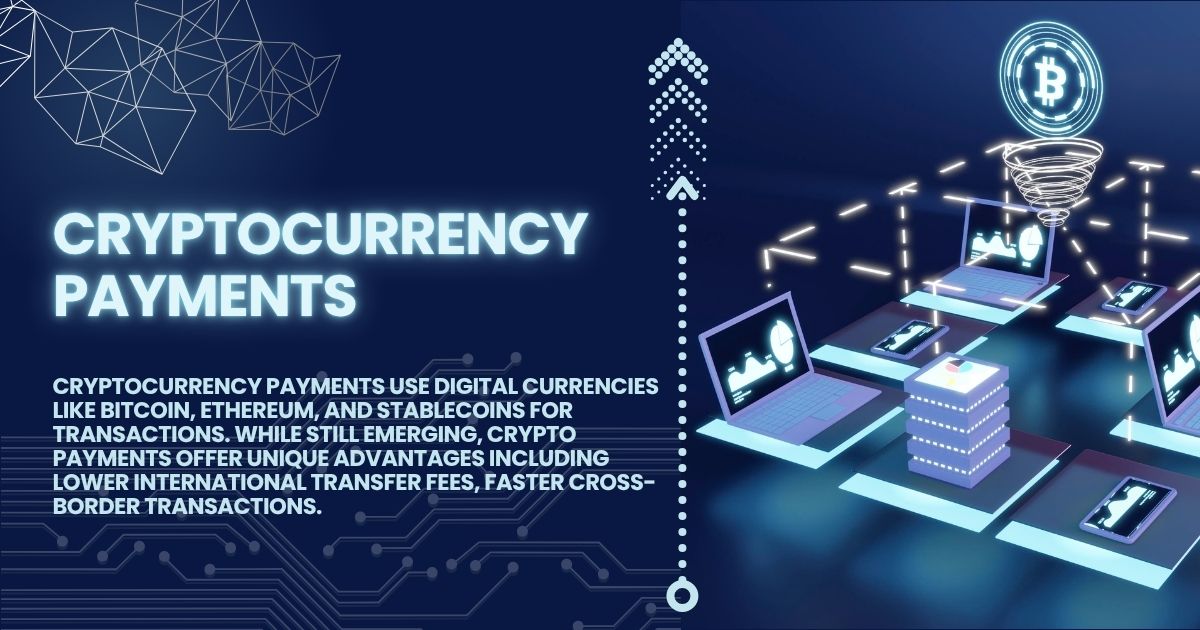
Cryptocurrency payments use digital currencies like Bitcoin, Ethereum, and stablecoins for transactions. While still emerging, crypto payments offer unique advantages including lower international transfer fees, faster cross-border transactions, and independence from traditional banking systems.
Major companies including Tesla, Microsoft, and Overstock now accept cryptocurrency payments, signaling growing mainstream adoption. However, price volatility and regulatory uncertainty remain significant considerations for both businesses and consumers.
Buy Now, Pay Later Services
Buy Now, Pay Later (BNPL) services allow consumers to purchase items immediately and pay in installments over time. Klarna, Afterpay, and Affirm have popularized this model, particularly among younger consumers who prefer avoiding traditional credit cards.
BNPL services integrate seamlessly with online and in-store checkout processes, offering instant approval decisions and flexible payment schedules. These solutions appeal to consumers seeking budget management tools and merchants wanting to increase conversion rates.
Benefits of Digital Payment Solutions
Convenience and Speed
Digital payments solution need to carry cash or write checks, streamlining transactions for both consumers and businesses. Payments process instantly or within minutes, compared to days for traditional methods like bank transfers or mailed checks.
The convenience extends beyond speed. Digital payment solutions work 24/7, allowing transactions outside traditional banking hours. Users can pay bills, transfer money, or make purchases anytime from anywhere with internet access.
Enhanced Security Features
Modern digital payment solutions incorporate multiple security layers that often exceed the protection offered by cash or physical cards. Encryption protects data during transmission, while tokenization ensures sensitive information never reaches merchants.
Biometric authentication, including fingerprint and facial recognition, adds another security layer that’s difficult to replicate. Many digital payment platforms also offer real-time fraud monitoring and instant transaction alerts, helping users identify suspicious activity quickly.
Detailed Transaction Records
Digital payments automatically create detailed transaction records, simplifying expense tracking and financial management. Users can categorize purchases, set spending limits, and analyze spending patterns through built-in analytics tools.
For businesses, digital payment solutions provide comprehensive reporting capabilities that streamline accounting processes and improve financial visibility. Automated record-keeping reduces manual data entry and minimizes human error.
Global Accessibility
Digital payment solutions break down geographical barriers, enabling international transactions without traditional banking complexities. Cross-border payments that once took days and involved significant fees can now complete in minutes with transparent pricing.
This global accessibility particularly benefits small businesses and freelancers who serve international clients. Payment gateway platforms handle currency conversion and compliance requirements, simplifying global commerce.
Challenges and Considerations
Technology Dependencies
Digital payment solutions require reliable internet connectivity and compatible devices. Technical failures, server outages, or device malfunctions can temporarily disrupt payment capabilities, potentially causing inconvenience during critical transactions.
Backup payment methods remain important for situations where digital solutions aren’t available or functional. Users should maintain alternative payment options to ensure transaction capabilities in various circumstances.
Privacy Concerns
Digital payments create extensive data trails that companies use for analytics, marketing, and business intelligence. While this data helps improve services and prevent fraud, it also raises privacy concerns about how personal financial information is collected, stored, and shared.
Users should review privacy policies carefully and understand how their transaction data is used. Some digital payment solutions offer enhanced privacy features, but these often come with trade-offs in convenience or functionality.
Adoption Barriers
Despite widespread availability, digital payment adoption varies significantly across demographics and regions. Older consumers, those with limited technology access, and individuals in underbanked communities may face barriers to adoption.
Businesses must balance digital payment options with traditional methods to serve all customers effectively. Education and user-friendly interfaces can help bridge adoption gaps, but universal digital payment acceptance remains a work in progress.
Security Best Practices
User Authentication
Strong authentication protects digital payment accounts from unauthorized access. Enable two-factor authentication whenever available, combining something you know (password) with something you have (phone) or something you are (biometric).
Create unique, complex passwords for payment accounts and avoid reusing credentials across multiple platforms. Password managers can help generate and store secure credentials while maintaining convenience.
Transaction Monitoring
Regularly review transaction histories to identify unauthorized or suspicious activity. Most digital payment platforms offer real-time notifications and spending alerts that help users monitor account activity continuously.
Set up account alerts for various transaction types and amounts. Quick detection of fraudulent activity enables faster response and limits potential financial losses.
Device Security
Keep devices updated with the latest security patches and avoid making payments on public or unsecured networks. Use device lock screens and enable automatic logout features for payment applications.
Install payment apps only from official app stores and verify app authenticity before downloading. Avoid storing payment information on shared or public devices.
The Future of Digital Payments
Emerging Technologies
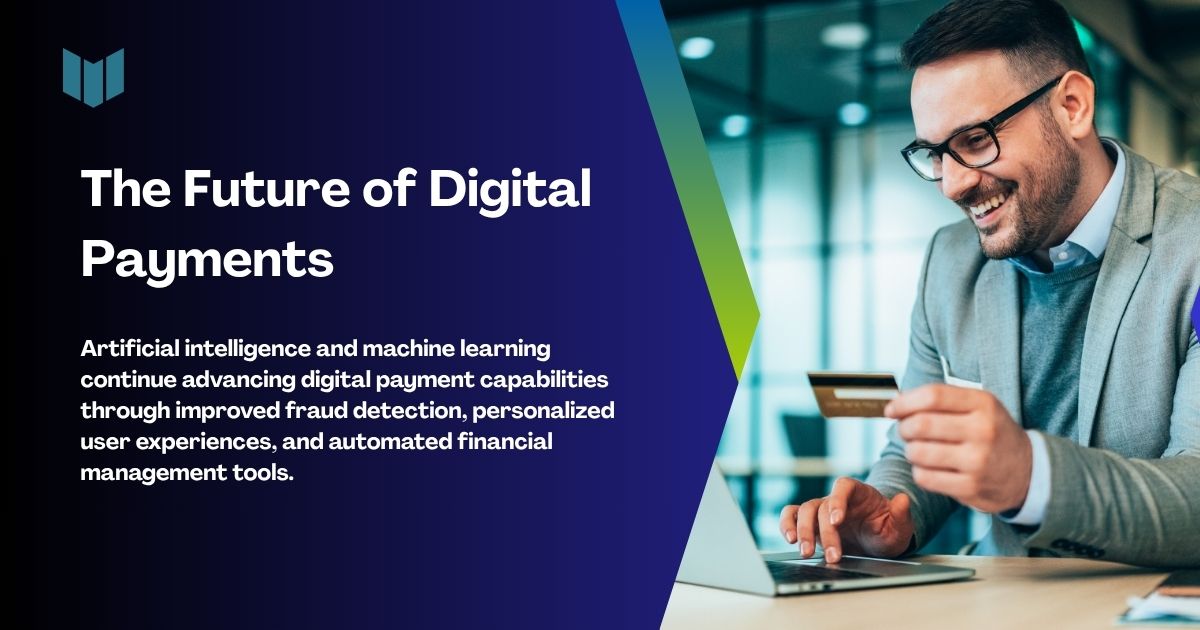
Artificial intelligence and machine learning continue advancing digital payment capabilities through improved fraud detection, personalized user experiences, and automated financial management tools. These technologies enable more sophisticated risk assessment and transaction optimization.
Blockchain technology promises to further revolutionize digital payments through decentralized finance (DeFi) solutions, smart contracts, and more efficient cross-border transfers. While still evolving, blockchain-based payments could reduce costs and increase transaction transparency.
Integration and Ecosystem Development
Digital payment solutions are increasingly integrating with other financial services, creating comprehensive financial ecosystems. These platforms combine payments, savings, investing, and lending services within unified user experiences.
The lines between different types of digital payment solutions continue blurring as companies expand their offerings. This consolidation trend aims to provide users with complete financial management tools rather than standalone payment services.
Regulatory Evolution
Governments worldwide are developing regulatory frameworks for digital payments, cryptocurrency, and financial technology. These regulations aim to protect consumers while fostering innovation and competition in the digital payment space.
Regulatory clarity will likely accelerate adoption and institutional investment in digital payment technologies. However, compliance requirements may also influence which solutions succeed in different markets.
Making the Right Choice for Your Needs
Selecting appropriate digital payment solutions depends on your specific requirements, risk tolerance, and usage patterns. Consider factors including security features, fees, acceptance rates, and integration capabilities when evaluating options.
For personal use, prioritize solutions that offer strong security, wide merchant acceptance, and user-friendly interfaces. Business users should focus on integration capabilities, transaction costs, and customer support quality.
Start with widely accepted solutions and gradually explore specialized options as your comfort and needs evolve. Most users benefit from having multiple digital payment options to ensure flexibility across different situations and merchant preferences.
Digital payment solutions have fundamentally changed how we handle money, offering unprecedented convenience, security, and global accessibility. While challenges exist, the benefits typically outweigh the drawbacks for most users. As technology continues advancing, digital payments will become even more integrated into our daily financial lives, making understanding these solutions essential for navigating our increasingly digital economy.