Your company’s online reputation can shift overnight. One negative review, a misleading article, or an unflattering social media post can spiral into a crisis that damages customer trust and revenue. For businesses relying on their digital presence, waiting until damage occurs is no longer an option.
Proactive negative content management offers a smarter approach. Instead of reacting to reputation threats after they’ve gained traction, businesses can identify and address potential issues before they escalate. This strategy protects your brand, maintains customer confidence, and preserves the value you’ve worked hard to build.
At SanMo CA, we specialize in helping businesses take control of their online narrative through strategic reputation management. This guide explores how proactive negative content management works, why it matters, and the actionable steps you can take to safeguard your brand.
Why Proactive Reputation Management Matters
Reputation damage doesn’t always announce itself with fanfare. Sometimes it starts small—a single complaint buried in a forum, an outdated news article ranking on page one, or a competitor’s misleading claims gaining visibility. Left unchecked, these issues compound.
Consider the financial impact. Studies show that a one-star decrease in a business’s rating can lead to a 5-9% drop in revenue. Consumers read an average of 10 online reviews before trusting a business. If negative content dominates your search results, potential customers may never give you a chance to prove your value.
Beyond revenue, reputation affects recruitment, partnerships, and investor confidence. Talented candidates research companies before applying. Partners vet your credibility. Investors scrutinize public perception. A damaged online reputation creates friction at every level of business growth.
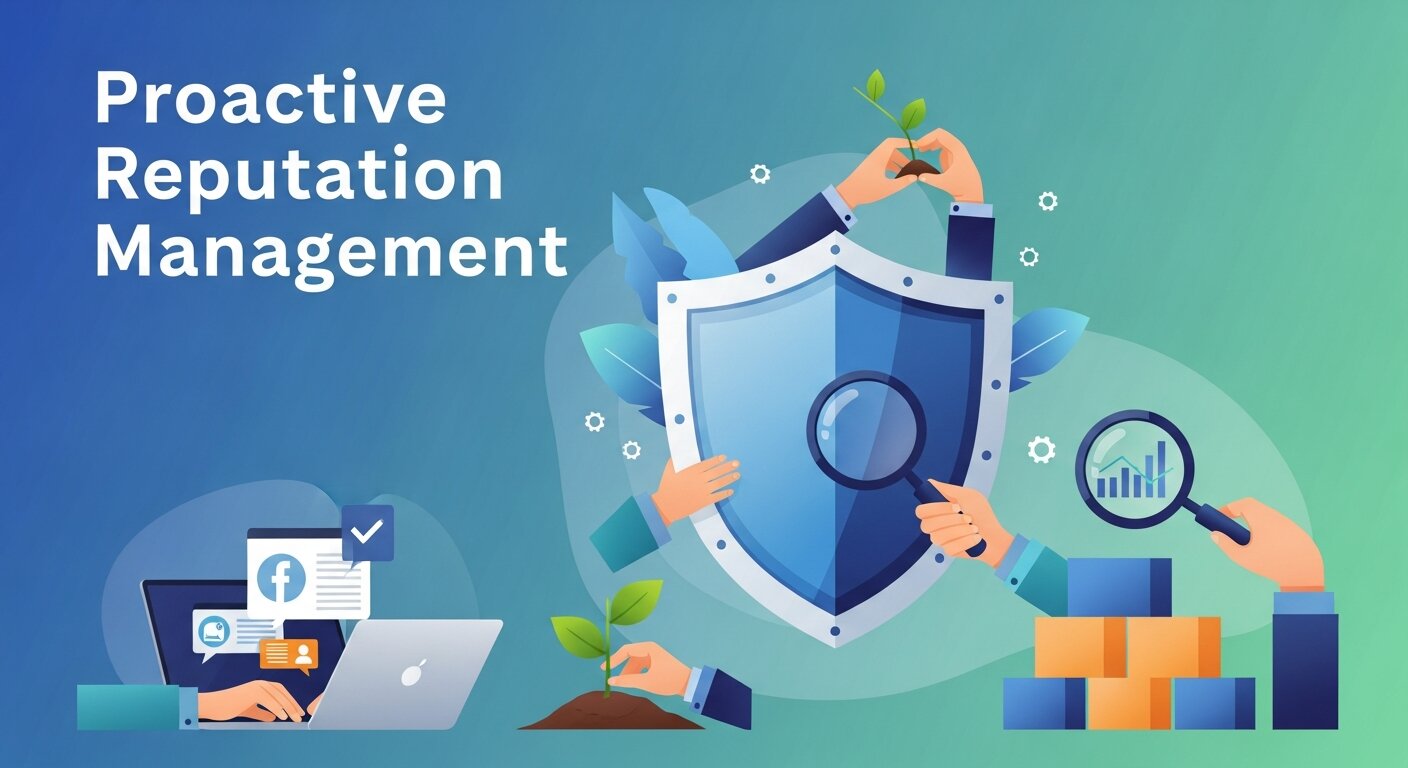
Proactive negative content management addresses these challenges by monitoring, mitigating, and managing threats before they become crises. It’s not about hiding the truth—it’s about ensuring accurate, balanced information represents your brand online.
What Is Proactive Negative Content Management?
Proactive negative content management involves continuously monitoring your online presence, identifying potential reputation threats, and taking strategic action to neutralize or minimize their impact. Unlike reactive approaches that scramble to fix damage after it occurs, this method prioritizes prevention.
Key components include:
Continuous Monitoring: Tracking mentions of your brand across search engines, social media platforms, review sites, news outlets, and forums. Advanced tools alert you to new content that could harm your reputation.
Risk Assessment: Evaluating the severity and potential reach of negative content. Not every critical comment requires intervention, but understanding which threats pose real risks helps prioritize your response.
Strategic Intervention: Deploying tactics to address harmful content, whether through direct engagement, legal action, search engine optimization, or content suppression strategies.
Reputation Building: Proactively creating and promoting positive, accurate content that strengthens your brand narrative and crowds out negative material in search results.
This approach requires vigilance and expertise. SanMo CA provides businesses with the tools and strategies needed to stay ahead of reputation threats, ensuring your online presence reflects your true value.
Common Sources of Negative Content
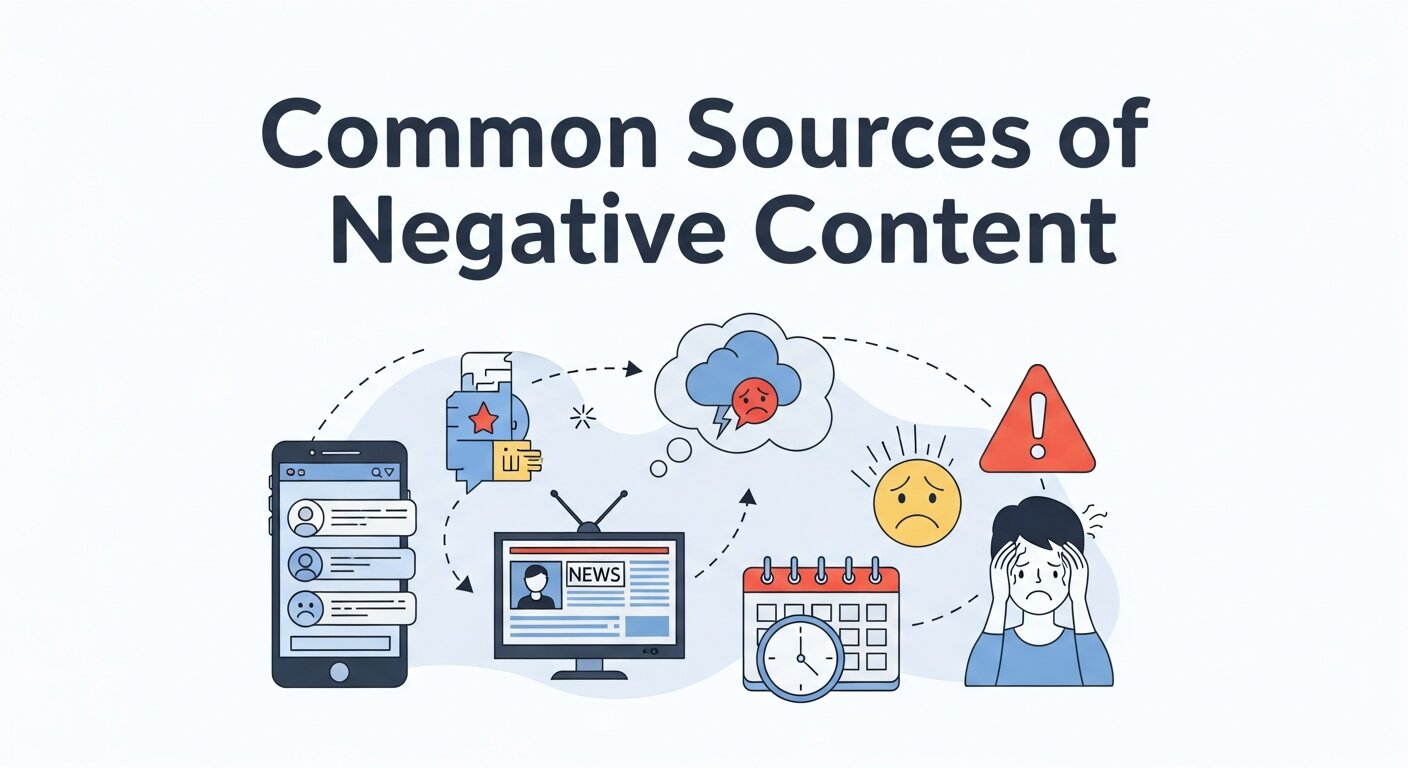
Understanding where reputation threats originate helps you monitor the right channels and respond effectively. Negative content typically comes from several sources:
Customer Reviews and Complaints
Review platforms like Google, Yelp, and Trustpilot give customers a public forum to share experiences. While most reviews are genuine, some may be exaggerated, outdated, or even fraudulent. Competitors occasionally post fake negative reviews to damage rivals.
Social Media
Complaints, criticisms, and misinformation spread quickly on platforms like Twitter, Facebook, and LinkedIn. A single viral post can reach thousands or millions of people within hours.
News Articles and Blogs
Negative press coverage, whether accurate or sensationalized, can dominate search results for years. Outdated articles about past controversies may continue ranking prominently, giving searchers an incomplete or misleading picture of your business.
Forums and Discussion Boards
Sites like Reddit, Quora, and niche industry forums host conversations about brands. Negative discussions in these spaces can influence potential customers researching your company.
Legal Records and Public Documents
Court filings, lawsuits, and regulatory actions become part of the public record. Even if cases are dismissed or resolved favorably, the initial negative information may linger online.
Monitoring these channels allows you to detect emerging threats early and respond before they gain momentum.
Steps to Implement Proactive Negative Content Management
Building a proactive reputation management strategy requires a structured approach. Follow these steps to protect your brand effectively.
Set Up Comprehensive Monitoring
Use reputation monitoring tools to track mentions of your brand, executives, products, and key personnel across the web. Google Alerts provides basic monitoring, but dedicated platforms like Brandwatch, Mention, or Hootsuite offer more robust coverage and real-time notifications.
Monitor search engine results pages (SERPs) for your brand name and related keywords. Pay attention to what appears on the first page of Google—most users never scroll beyond it.
Assess and Prioritize Threats
Not every negative mention demands immediate action. Evaluate each piece of content based on:
- Visibility: Where does it rank in search results? How many people are likely to see it?
- Credibility: Is the source reputable? Are the claims substantiated?
- Severity: Does it contain false information, legal issues, or highly damaging accusations?
- Reach: How widely has it been shared or discussed?
Focus your efforts on high-visibility, high-impact threats that could significantly harm your reputation.
Engage Directly When Appropriate
Sometimes the best response is direct engagement. Respond professionally to negative reviews by acknowledging concerns, offering solutions, and demonstrating your commitment to customer satisfaction. Public responses show potential customers that you take feedback seriously.
For factual inaccuracies in articles or posts, reach out to the publisher or author with a polite correction request. Provide evidence to support your position and ask for an update or retraction.
Leverage SEO to Suppress Negative Content
You can’t always remove negative content, but you can reduce its visibility. Search engine optimization (SEO) allows you to promote positive, accurate content that outranks harmful material.
Create high-quality content—blog posts, press releases, case studies, and thought leadership articles—that showcases your expertise and values. Optimize this content for relevant keywords to improve its search ranking.
Build a strong presence on platforms you control, such as your website, LinkedIn, and industry publications. Encourage satisfied customers to leave positive reviews on major platforms, which can help balance out negative feedback.
SanMo CA specializes in strategic SEO that pushes down harmful content and elevates your brand’s most compelling stories.
Consider Legal Action for Defamatory Content
If negative content crosses the line into defamation—false statements presented as fact that harm your reputation—you may have legal recourse. Consult with an attorney to evaluate whether a cease-and-desist letter, lawsuit, or other legal action is appropriate.
In some cases, platforms will remove defamatory content upon request, especially if it violates their terms of service.
Build a Library of Positive Content
The best defense against negative content is a robust library of positive material. Regularly publish content that highlights your achievements, values, and customer success stories.
Encourage employees, partners, and satisfied customers to share their positive experiences online. User-generated content carries credibility and helps counterbalance criticism.
Invest in thought leadership by contributing to industry publications, speaking at conferences, and participating in podcasts or webinars. The more authoritative content you create, the harder it becomes for negative material to dominate your online presence.
The Role of Crisis Preparedness in Reputation Protection
Even with proactive monitoring in place, businesses must prepare for worst-case scenarios. Crisis preparedness is a critical extension of negative content management. Having a documented response plan ensures your team knows exactly how to act if damaging content goes viral. This includes assigning spokespersons, preparing holding statements, establishing internal communication protocols, and defining escalation procedures.
Speed matters in digital crises. A delayed response can appear indifferent or evasive, further damaging trust. By developing pre-approved messaging frameworks and response workflows, companies can act decisively without scrambling for solutions. Preparation reduces panic, ensures consistency, and protects credibility when your brand faces unexpected public scrutiny.
The Importance of Executive Reputation Management
Your company’s reputation is often closely tied to its leadership. CEOs, founders, and senior executives frequently become the face of the brand. Negative content targeting leadership—whether accurate, misleading, or malicious—can directly impact investor confidence, partnerships, and customer trust.
Proactive executive reputation management involves monitoring personal brand mentions, maintaining updated professional profiles, and building thought leadership content that reflects expertise and integrity. Publishing interviews, contributing articles, and maintaining an active LinkedIn presence strengthens credibility. By safeguarding leadership reputation alongside corporate branding, businesses create a more resilient public image that withstands scrutiny and protects long-term growth.
Leveraging Data Analytics for Smarter Reputation Decisions
Data-driven insights enhance the effectiveness of proactive negative content management. Monitoring tools generate valuable analytics, including sentiment trends, engagement patterns, and keyword performance. By analyzing this data, businesses can identify recurring concerns, emerging issues, and shifts in public perception before they escalate.
For example, a gradual increase in negative sentiment around customer service may signal operational gaps that need immediate correction. Addressing root causes prevents further complaints and strengthens brand perception organically. Data analytics also helps measure the impact of suppression strategies and positive content campaigns, ensuring your reputation management efforts produce measurable, strategic results rather than reactive fixes.
Building a Culture of Reputation Awareness
Reputation management is not solely a marketing function—it should be embedded into company culture. Every employee, from customer service representatives to senior leadership, plays a role in shaping public perception. Training staff on digital communication best practices, reviewing response etiquette, and social media conduct reduces the risk of preventable reputation issues.
Encouraging transparency, accountability, and proactive problem resolution internally leads to fewer external complaints. When employees understand the long-term value of brand trust, they become ambassadors rather than liabilities. A culture of reputation awareness transforms negative content management from a defensive strategy into a sustainable, organization-wide commitment to excellence.
How SanMo CA Supports Proactive Reputation Management
Managing your online reputation requires expertise, resources, and constant vigilance. SanMo CA offers comprehensive reputation management services designed to protect and enhance your brand.
Our team monitors your digital footprint 24/7, identifying potential threats before they escalate. We assess the severity of negative content and develop customized strategies to neutralize risks. Whether through SEO, direct engagement, or legal support, we ensure your reputation remains strong.
We also help you build a positive online presence that reflects your true value. From content creation to review management, we handle the details so you can focus on running your business.
Frequently Asked Questions
1. How quickly can proactive reputation management prevent damage?
The speed of intervention depends on early detection. With continuous monitoring, you can identify and address threats within hours or days, often before they gain significant visibility. The sooner you act, the easier it is to contain potential damage.
2. Can negative content ever be completely removed from the internet?
In some cases, yes. Defamatory content, privacy violations, and terms-of-service breaches can often be removed through legal channels or platform requests. However, not all negative content qualifies for removal. That’s why suppression through SEO and positive content creation is often the most effective long-term strategy.
3. Is proactive reputation management expensive?
Costs vary based on the scope of monitoring, the complexity of threats, and the level of intervention required. However, the cost of proactive management is typically far lower than the revenue lost from reputation damage. Consider it an investment in protecting your brand’s value.
4. How do I know if my business needs proactive reputation management?
If your business relies on online visibility, customer trust, or public perception, proactive reputation management is essential. Companies in competitive industries, those with high-profile leadership, or businesses that have experienced past reputation issues benefit most from ongoing monitoring and strategic intervention.
5. What’s the difference between reputation management and public relations?
While both focus on shaping public perception, reputation management specifically addresses online content and search visibility. Public relations encompasses broader communication strategies, including media relations, crisis communication, and brand messaging. Reputation management often works alongside PR efforts to ensure consistent, positive online representation.
Protect Your Brand Before It’s Too Late
Reputation threats don’t wait for convenient moments. By the time negative content gains traction, the damage may already be done. Proactive negative content management shifts the balance in your favor, allowing you to identify risks early and take strategic action before they escalate.
At SanMo CA, we help businesses maintain control over their online narrative. Our comprehensive reputation management services ensure your brand is represented accurately and positively across every digital channel.
Don’t wait for a crisis to take action. Contact SanMo CA today to learn how proactive reputation management can protect your business and preserve the trust you’ve worked hard to earn.